
Waspageddon! Why September is The Busiest Time Of Year for Wasps and Hornets
BzzZZZZZ!
We all know a wasp when we hear one. And that droning buzz of wings has a way of making us panic, no matter how stoic we try to be.
Wasps are very much a summer pest. In the winter, all except the mated queens die off. Queens will spend the winter tucked up in some leaf litter or under the bark of a tree, waiting for the weather to warm up again.
But before that happens, we have to get through the time of year at the end of summer and the start of autumn that I’ve come to think of as Waspageddon.
Wasps Don’t Go Quietly
Wasps aren’t complicated creatures. All they want out of life is something tasty to eat, and to defend their queen and their nest.
This isn’t because they’re altruistic. It’s because without the queen and her young, called the brood, adult wasps can’t survive. Adult wasps don’t really eat solid food, even though they have powerful jaws capable of dismembering other insects. Instead, they bring chunks of food back to the nest, where they feed it to the young wasps, or larvae. The larvae chew up this food and secrete a liquid that the adult wasps feed on.
It’s pretty disgusting, from a human point of view. But it’s the key to the success of wasps and other social insects. Because they can’t survive without the nest, they will defend it with their lives.
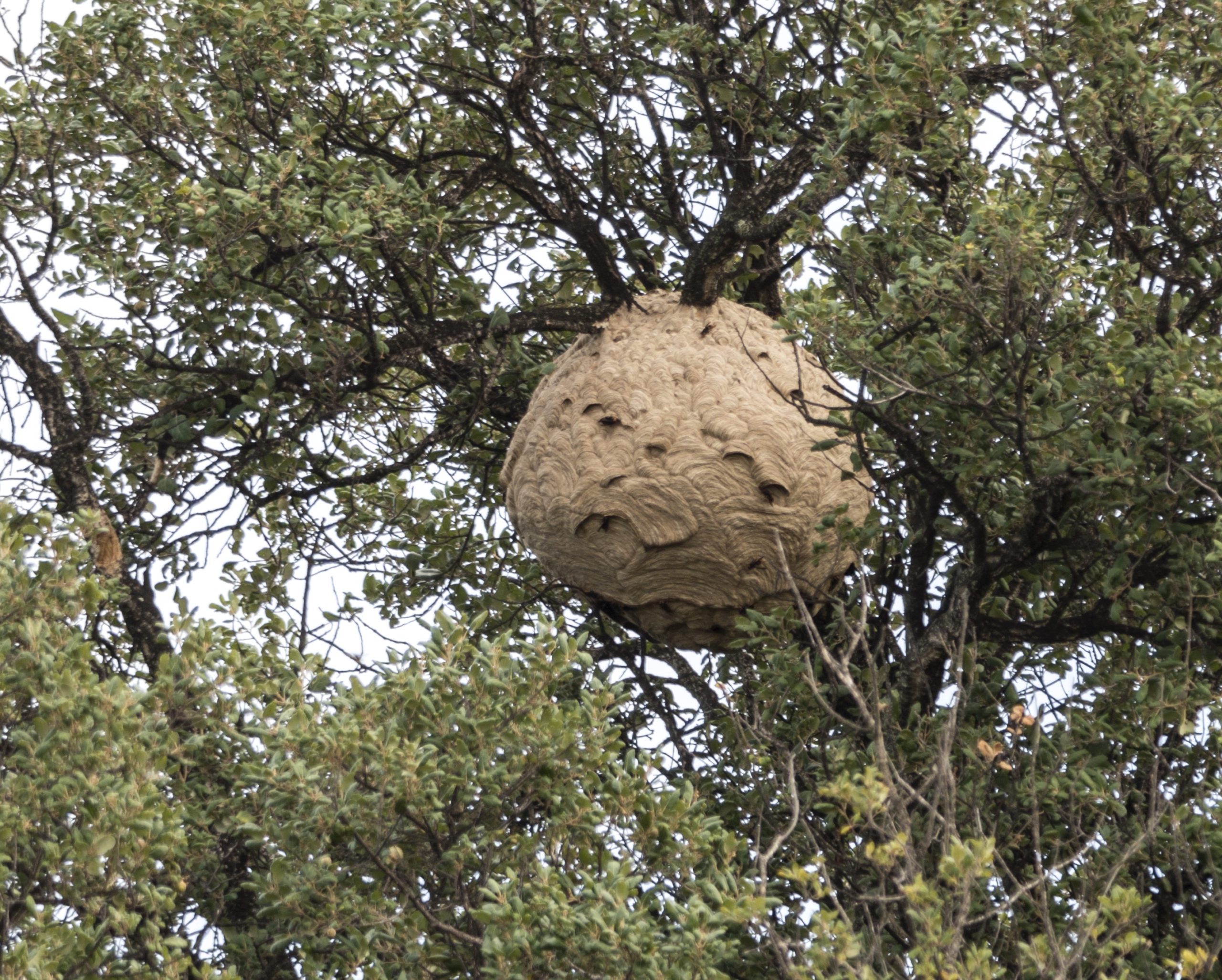
And that’s what makes wasps and hornets such a problem.
In spring, when nests are small, wasps are focused on gathering food for the larvae. What they want most of all is protein, which they get from other insects. Caterpillars, butterflies, beetles, flies, and ants are all on the menu to feed the growing colony.
But as summer starts to fade, wasps change their food preferences. Toward the end of summer, a wasp queen will stop laying eggs, and no new larvae will be produced. The adults, deprived of the food the larvae normally give them, need to turn elsewhere.
Suddenly, adults are looking for the kind of sugary foods and liquids that they themselves can eat. Ripe grapes and fallen fruit are what they would naturally want to eat at this time of year. But your glass of wine is just as tempting.
As a pest control technician, a big chunk of the wasp calls I get are at this time of year. It’s not because there are more wasps now than there were in the summer. It’s because their changing preferences bring them into conflict with humans more often.
It’s quite possible to have a nest you don’t even know about somewhere on your property or in a neighbour’s yard. Through the summer, the wasps may have left you alone. But now, suddenly, they’re in your face.
BzzZZZZ!
If you were hoping to enjoy the long light of September and the lingering Indian summer we so often get in the Pyrénées-Orientales, bad luck. The wasps have other plans, and they don’t need an invite to show up to dinner.
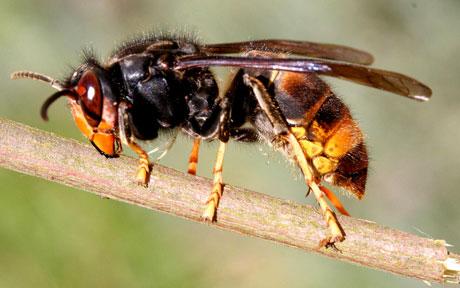
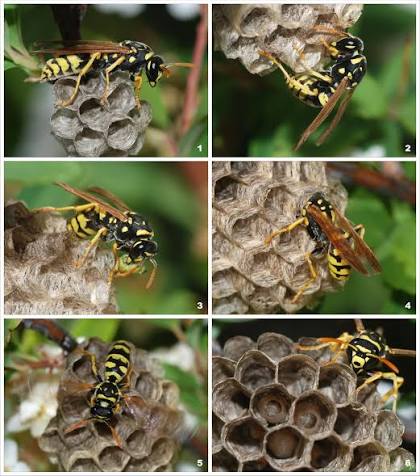
Of course, it’s not just wasps you have to worry about. The PO is home to several species of wasps, including the common wasp and the paper wasp. But we also have European hornets and, more and more these days, Asian hornets too. These creatures are bigger, louder, and in the case of the Asian hornets especially, much more aggressive than regular wasps. And at this time of year, their colonies are at their maximum size.
As other food sources become more scarce, wasps become more aggressive in seeking out anything to eat. And if they find a good food source, they aren’t afraid to defend it.
Often, this is how people get stung.
Self-Defence Against Wasps and Hornets
So what can you do against this insect onslaught? Wasps and hornets are a fact of life, but a few simple steps can make it less likely that you have a run-in with these hangry insects.
- Cover your drinks. Be especially wary of cans and bottles, as wasps can climb inside without being seen. Check before taking a sip, because being stung in the mouth is no fun at all.
- Clear away plates and wipe up spills straightaway. Even a small spill of wine, juice, fizzy pop, or melted ice cream can quickly attract attention from your neighbourhood stingamajigs.
- Store recycling carefully. Wine and beer bottles are especially attractive, as the fermented smell mimics the fallen fruit wasps would normally feed on at this time of year. Thoroughly rinse out drink containers after use, and store them in a bin or bucket with a tightly-closing lid so wasps can’t get inside.
- Get rid of rubbish quickly. The longer rubbish sits around, the more likely it is that wasps will get inside and find something to eat.
- Stay calm. If wasps do come to investigate your table, remember, it’s not because they take any pleasure in stinging people. They want your food and drinks, not you. Swatting at wasps is more likely to provoke them, so move away calmly and give them room to leave.
- Pick up fallen fruit. Where possible, remove as much fallen fruit from gardens as you can. Even if you can’t get all of it, having less means you’ll have fewer wasps.
- Be careful when working in the yard. At this time of year, there’s often lots you need to do in the garden, but before you start work, take a moment to check for wasps. If you’re cutting a hedge, working on a roof, or pruning near a tree, take a moment to watch for a steady stream of insects entering and leaving a particular area. If you see that, you might be close to a nest.
What to Do If You Have a Wasp or Hornet Nest
Having lots of wasps around doesn’t necessarily mean that you have a nest on your property. Wasps and hornets can fly hundreds of metres, sometimes even a kilometre or more, to find a food source they like.
However, if you see repeated high wasp activity in an area, it might be because there is a nest nearby.
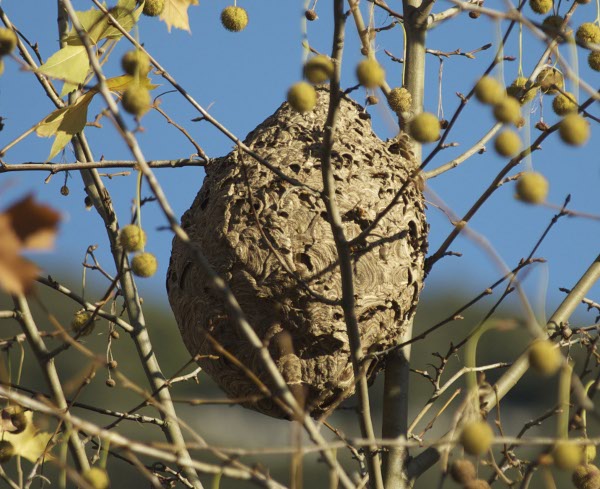
Wasps and hornets build nests from tree bark. Sometimes, these nests are out in the open and totally visible, and at this time of year, they can be impressively big. However, both wasps and hornets will also nest in secluded areas where you can’t see them. For example, European hornets love to nest in old tree stumps and hollows in tree trunks. Common wasps, meanwhile, will often nest in a hole in a wall, or a garden shed where people don’t go very often.
If you see a steady stream of wasps going in and out of a particular hole, it’s a good indication that there might be a nest inside. And if that’s the case, you need to be very careful.
Wasps and hornets will aggressively defend their nests. The closer you get, the more likely you are to get stung. And once you do get that first sting, your chances of getting more become much higher.
With that said, if you’re feeling brave, you can take on a wasp nest by yourself. You can find wasp sprays at your local bricolage or garden centre. But remember, it’s not as simple as spraying blindly into a hole in the wall. To destroy a nest, you need to make sure any pesticide you use reaches deep inside to kill the queen. And while you do that, the wasps will be attacking you from all sides.
Often, it’s better and easier to call professional help. Wasp treatments aren’t particularly expensive, and can eliminate the wasps almost immediately.
Plus, if you’re allergic, don’t try and tackle a wasp nest by yourself. For those with allergies, a single sting can cause anaphylactic shock, which can be life-threatening. Remember, too, that allergies can develop suddenly and without warning. Even if you weren’t allergic last year, you might be now.
If you are stung and develop breathing difficulty, faintness or symptoms beyond the sting site, call 15 or 112 in France. A sting in the mouth or throat, or multiple stings, also needs urgent medical advice.
Saying Goodbye To Wasps
As temperatures drop and the nights draw in, it can seem strange to be worrying about a pest as closely linked with summer as wasps and hornets are. But in many ways, this is the most dangerous time of year for these pests.
Pretty soon, the cold weather will kill them off. But in the meantime, they’re going to make a bigger nuisance of themselves than ever. So if you have wasps showing up for dinner, consider getting professional help before you get stung.
Ryan Frawley runs Gecko Pest, serving homes and businesses across the Pyrénées-Orientales, Aude and Hérault. If you suspect a wasp nest on your property, or have problems with ants, rats, mice, or other household pests, give Gecko a call at 09 71 24 74 05 or email info@geckopest.fr