Monasteries, Miracles & Mystery – Monastir del Camp
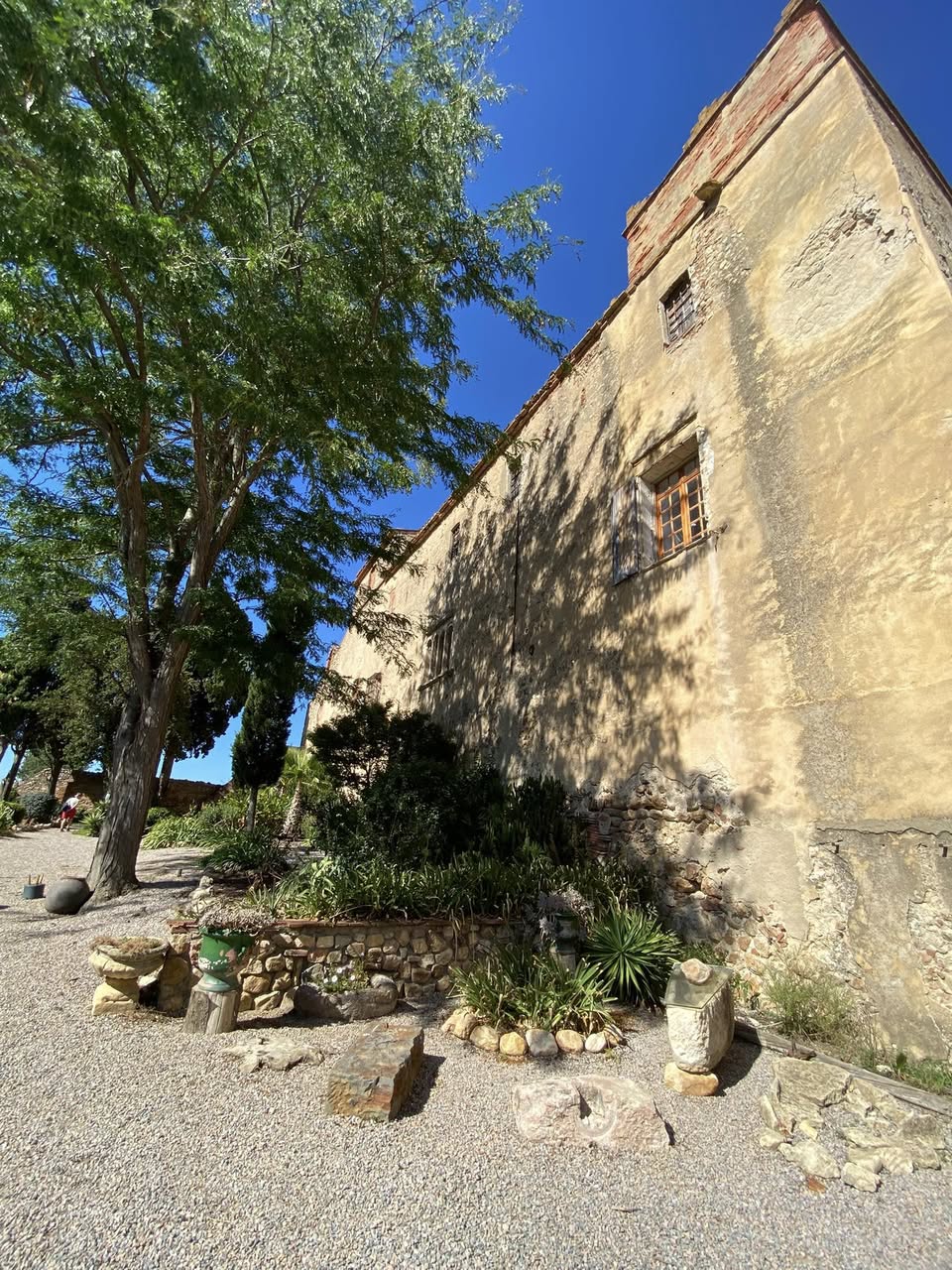
The name Monastir del Camp in Catalan means ‘Monastery of the Field’. This old monastery located near the village of Passa is no longer a religious institution, but is open for visits and occasionally exhibitions and concerts.
Set amidst vineyards, almond trees and open farmland, spring brings blossom, birdsong and wildflowers,to soften the ruins. The monastery’s layered history makes it one of those places that quietly exceeds expectations.
According to legend, when Charlemagne went into battle against the Saracens on the heights of Passa, he placed a lead statue of the Virgin in the midst of his parched and exhausted army, just as they were about to desert the battlefield. A fountain of water gushed from the dry land, the soldiers drank to their fill, and, replenished, drove away the enemy.
In gratitude for victory and divine help, Charlemagne had a chapel built at the scene of this miracle, said to be the origin of Monestir del Camp. Called by some the ‘Black Virgin’ because of its dark colour, the miraculous statue can be seen today in Thuir, at the Église Notre-Dame-de-la-Victoire. The ‘Black Virgin’ tradition links Monastir del Camp to a wider Mediterranean cult of dark Madonnas, symbols of fertility, protection and endurance.
Visit the church, wander round the remains of the ancient watch towers and the ‘cellera’, heart of the original small fortified settlement, dating back to 950. Farmers often built cellars or fortified areas around the church, sometimes surrounded by pits, to store and protect their crops from abusive local lords seeking inflated and unjust taxes. These early fortifcataions enclosures remind us that monasteries were once as much about survival and resistance as prayer.
BEWARE: Open to public but best to phone ahead and make an appointment.
+33 6 70 40 07 89
+33 4 68 38 71 24
nicolmona@hotmail.fr
Entry: 3€ (free for children)
Magical Mystery Tour..with Susan Oswald
I wasn’t quite sure what to expect at this old monastery, especially as it had been rather difficult to make contact beforehand. But it turned out to be a real jewel. We were welcomed by a lovely lady who has been greeting visitors to the priory for the past 39 years — and she certainly knew her history.
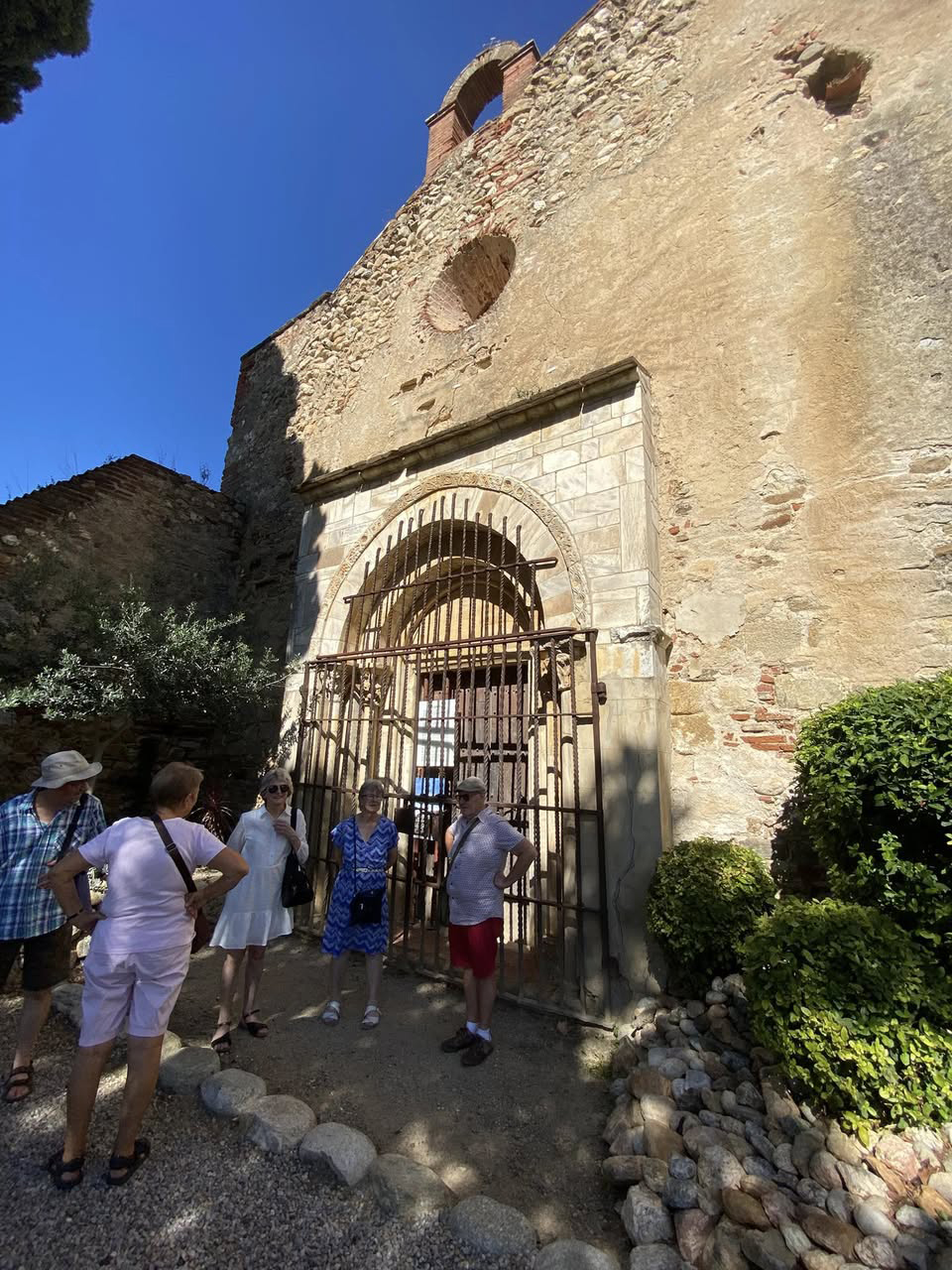
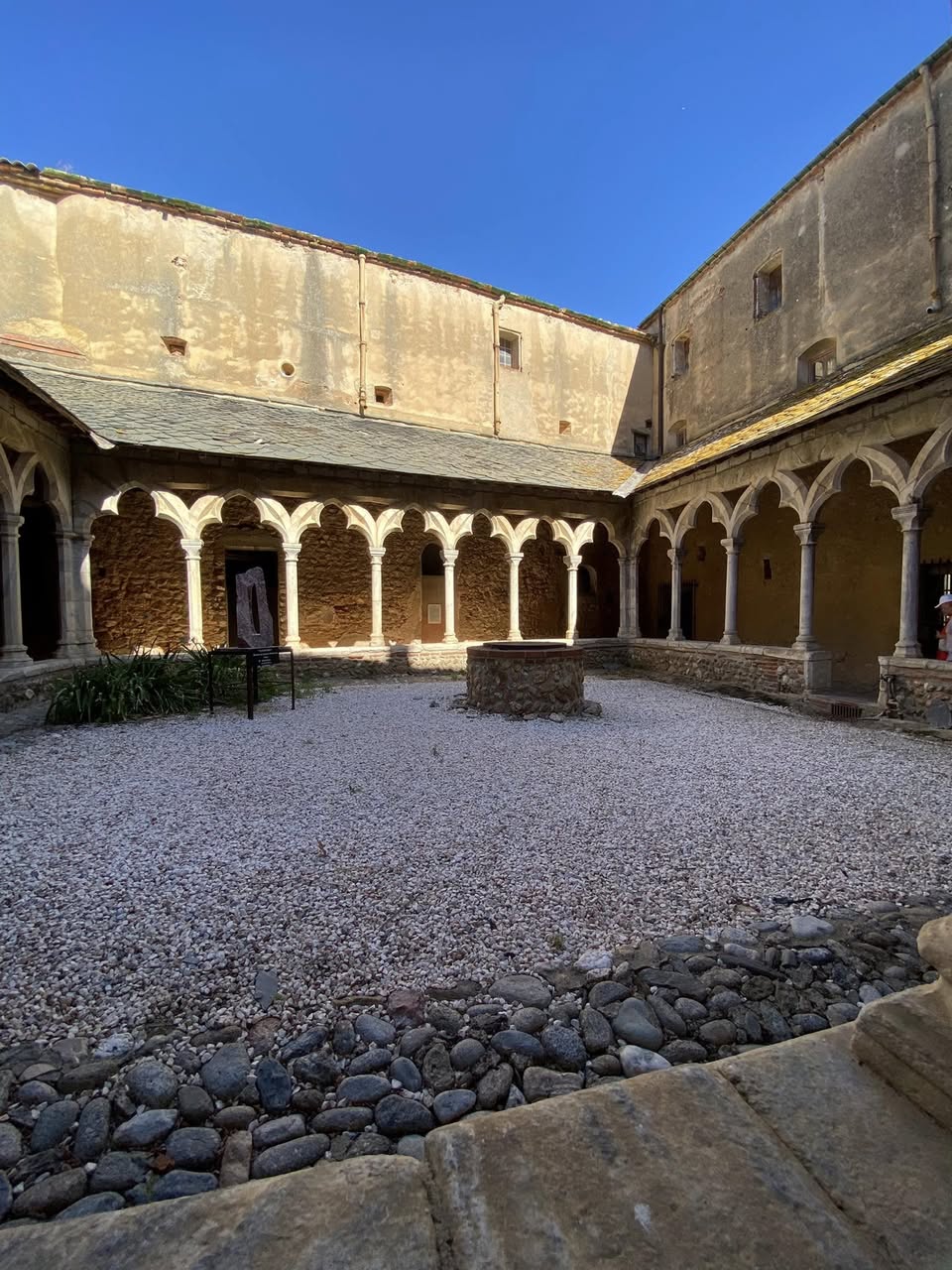
As well as the cloister, chapel and fine carvings, there is a magnificent portail of white marble from Céret, gifted to the priory by the Knights Templar, and superbly well-preserved Roman baths.
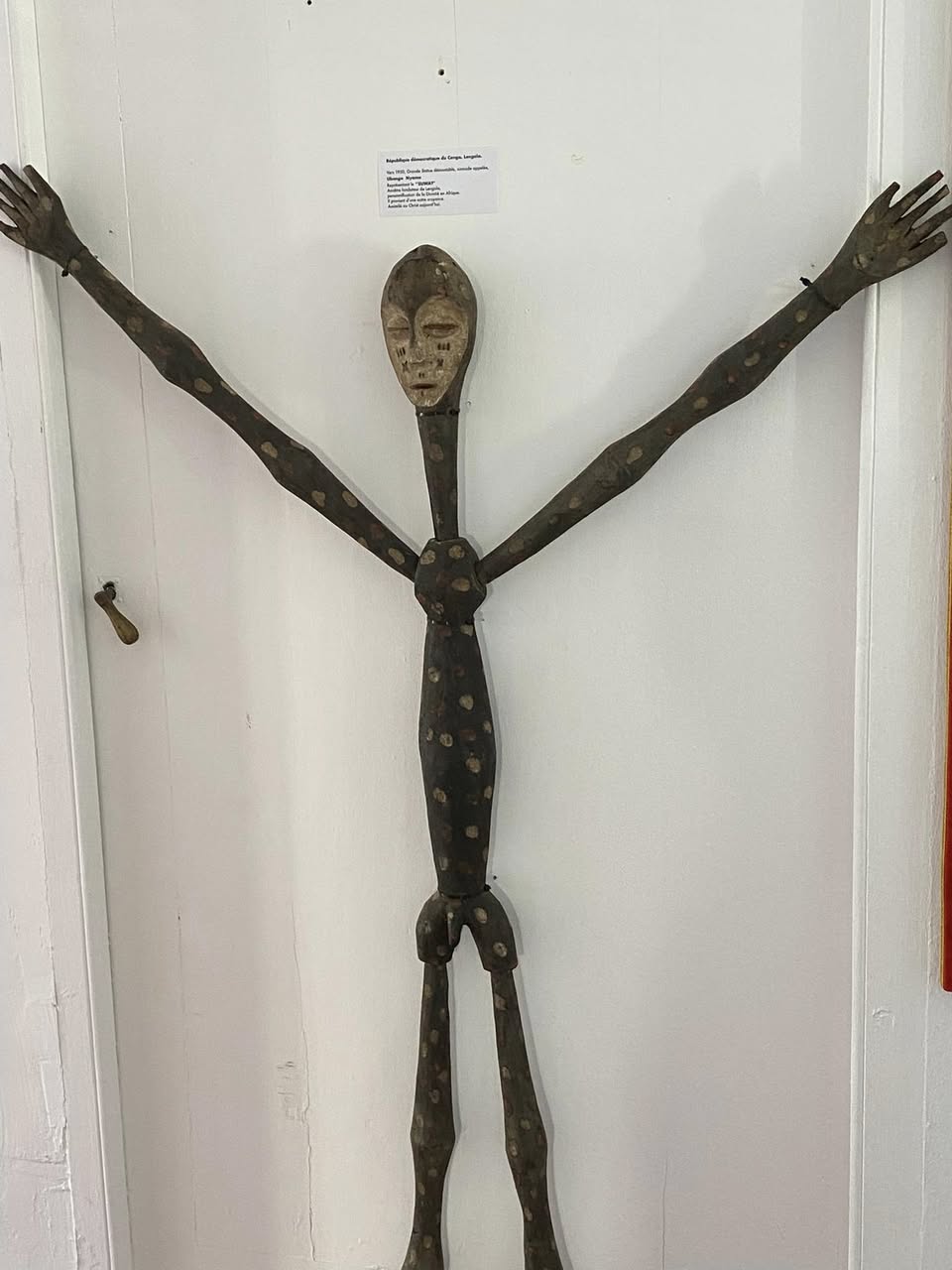
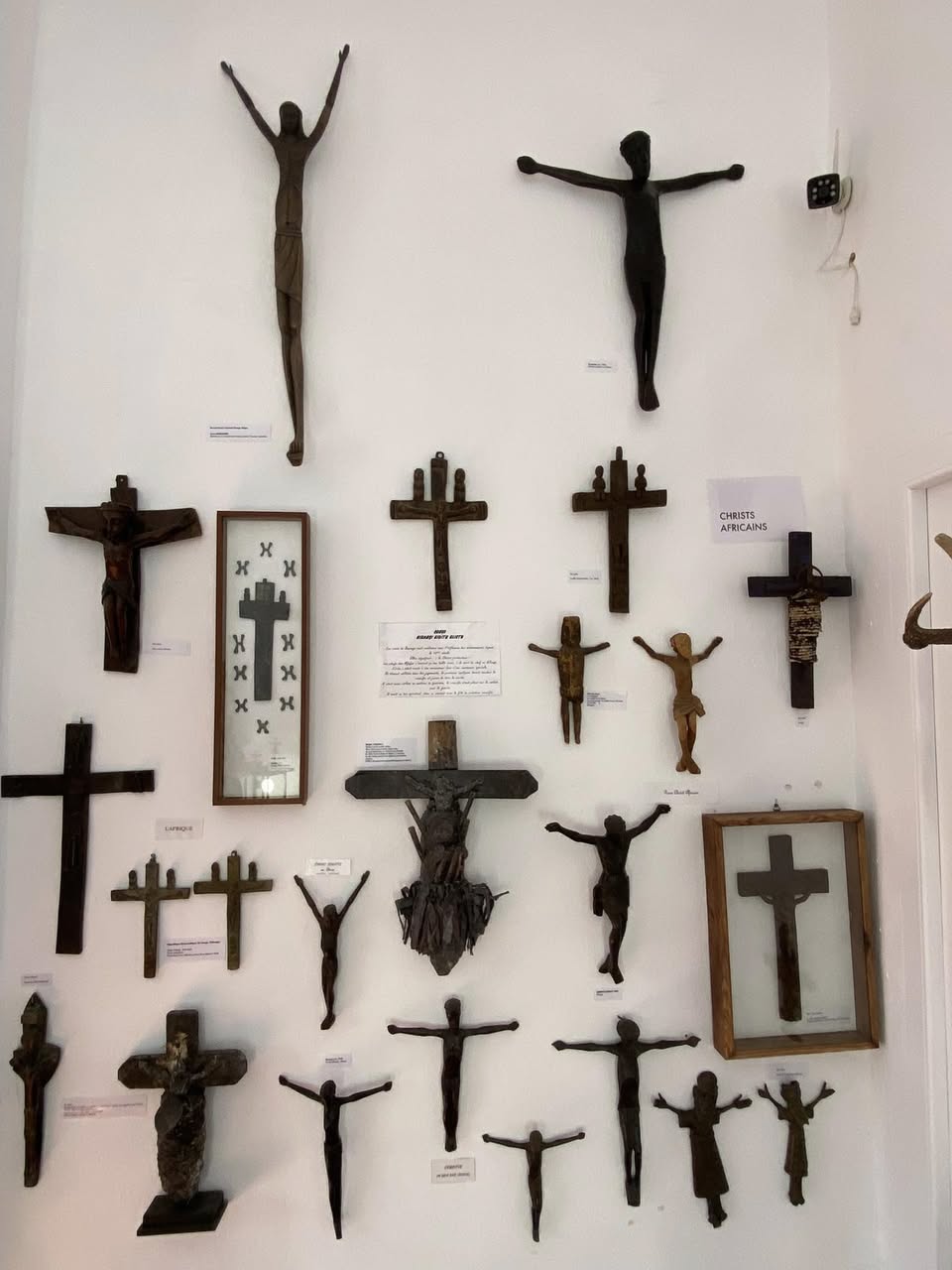
And then came the real surprise: a remarkable collection of around 270 sculptures and crucifixes of Christ, dating from the 14th century to the present day, including representations from Africa, Asia and the Americas. Quite unexpected — and absolutely incredible.