
Rivesaltes Memorial Camp Renewed
with Ellen Turner Hall
If you haven’t visited before, now is the time. If you have, go again for a completely new experience!
The makeover of the large remembrance hall preserves the central bank with a chronological history of the camp. Against the walls six memory islands offer intimate views of individual experiences and community stories. Explanatory texts are translated into English.
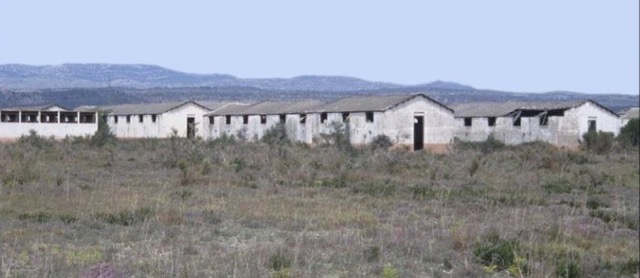
Access to the Memorial Camp of Rivesaltes is an easy 20-minute drive north of Perpignan. Initially built to be a military training camp, Rivesaltes hosted numerous civilians and military personnel of various nationalities for nearly 70 years. These included Spanish refugees who fled Franco’s regime in 1939, foreign Jews and French nomads targeted by the Vichy government under the Nazi occupation from 1942 to the end of the war.
After the war Rivesaltes housed German soldiers, Harkis (Algerian soldiers who served with French army) from 1962 onwards, and undocumented migrants from 1986 to 2007. According to the historian Gregory Tuban, more than 50 different nationalities considered “undesirable” at one time or another were interned here.
The memories of these diverse groups are honoured in the museum complex built mostly underground, to preserve the bleak landscape and the remaining dilapidated barracks which were their home.
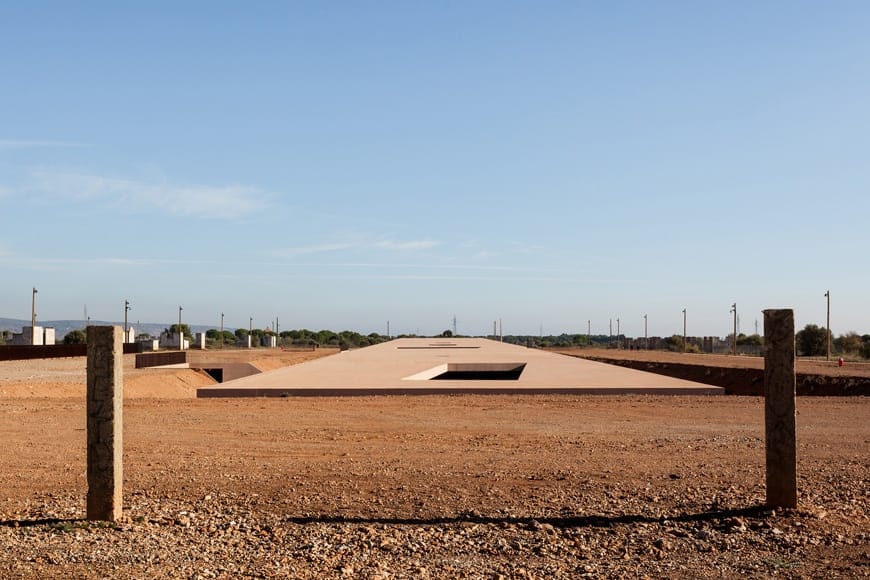
I have chosen at random three of the new exhibits that in one way or another shine light on the reality of camp life.
Exhibit number one: a page from the register of 1942. A little red line next to a name was all that stood between those who remained and those who were deported to Drancy, Auschwitz and death.
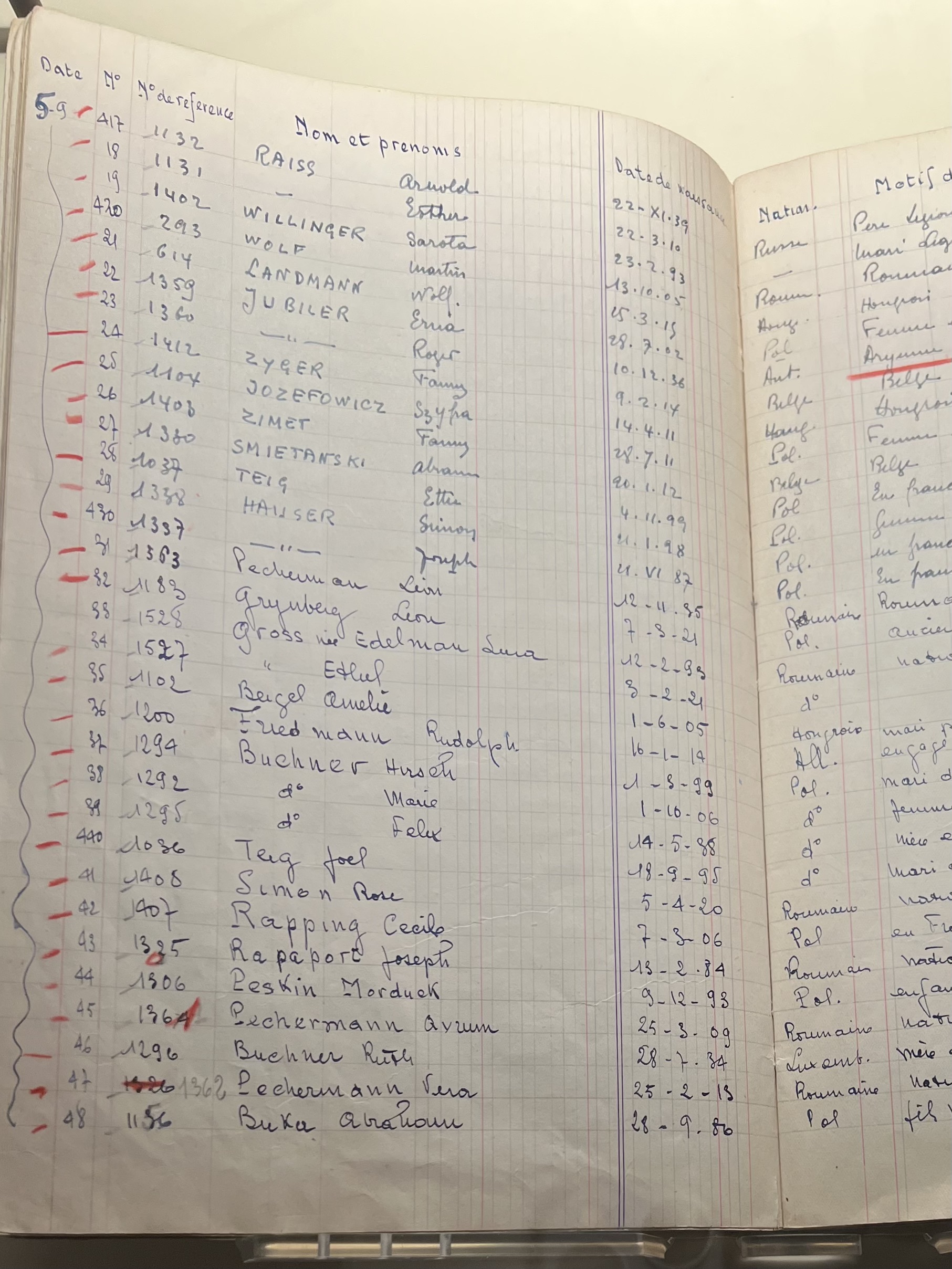
Exhibit number two: a chess set carved out of scraps of wood by a German prisoner after the war. In the shifting pageant of power, he in turn was reduced to just another pawn.
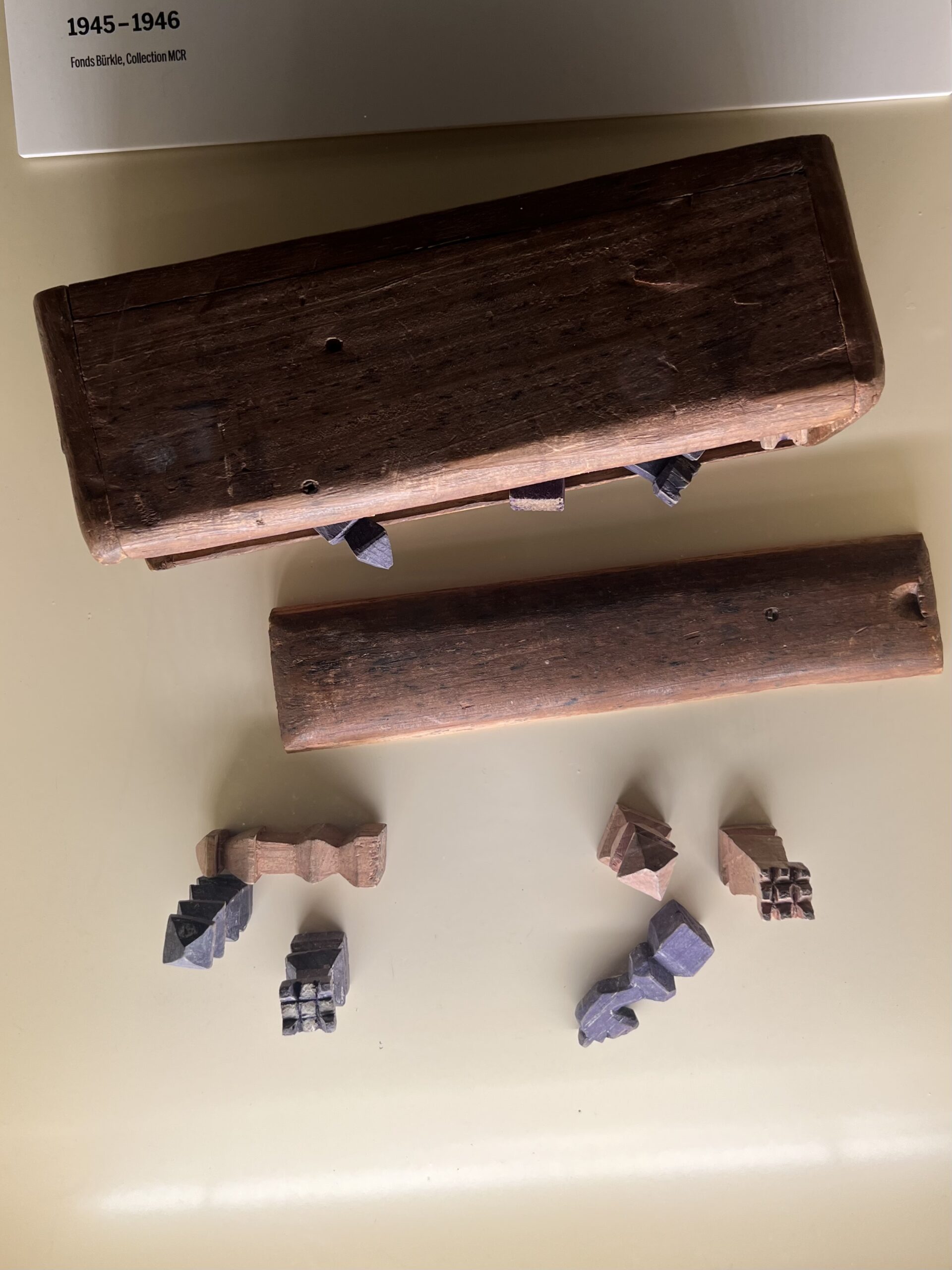
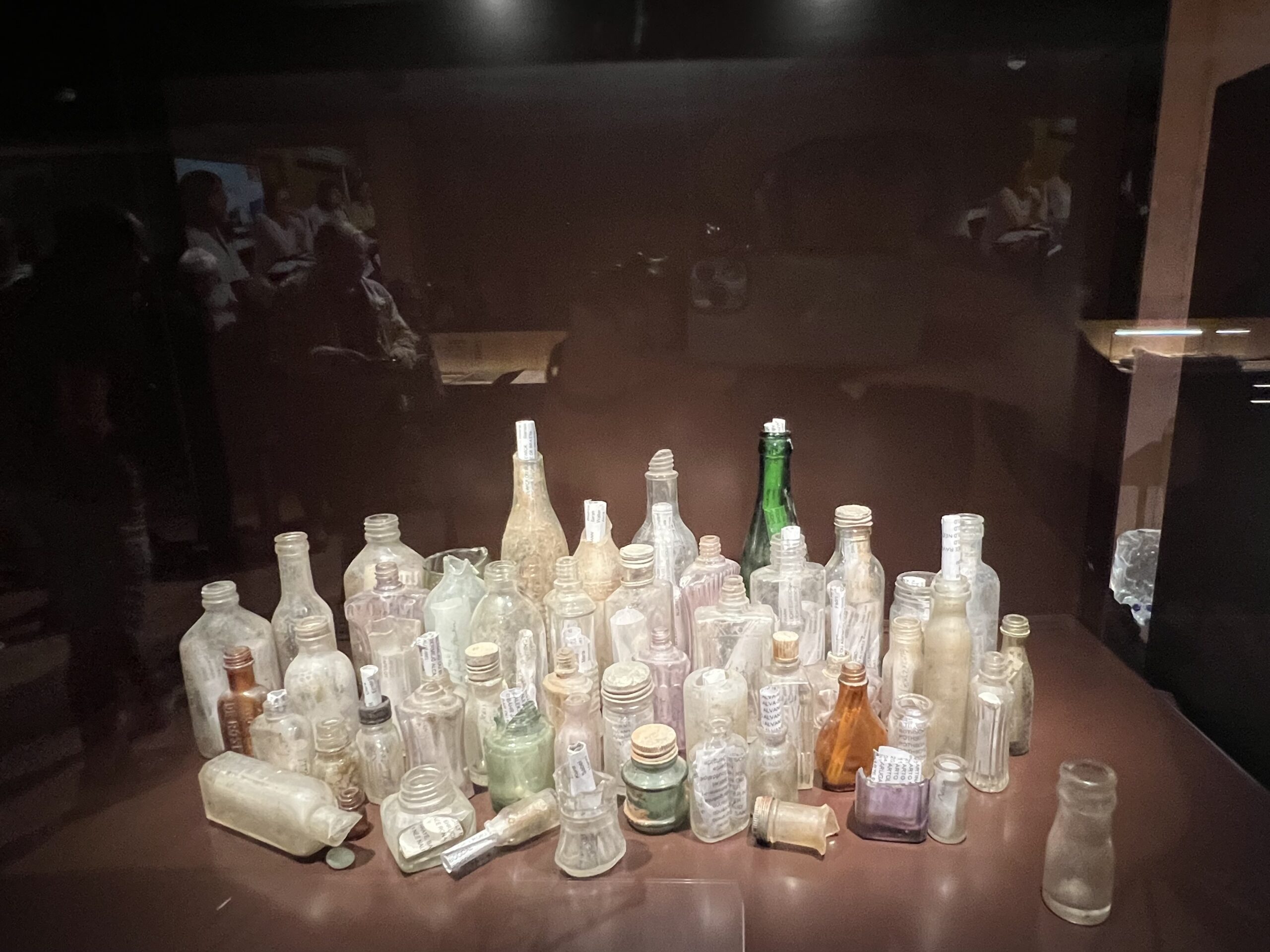
Exhibit number three: a collection of bottles from all periods of its occupation, salvaged from the ruins by artist Nicole Bergé. Each receptacle contains a roll of paper on which Bergé has printed the names of internees of different origins, mingling identities, histories and memories.
Lest we forget…
The Memorial of Rivesaltes is open every day from 10h00 to 18h00. Further details