
Total Solar Eclipse 2026: One of the Best Places in Europe to Watch is Right on Our Doorstep
On Wednesday 12 August 2026, one of the most spectacular astronomical events of the century will be visible from southern Europe – and for many P-O Life readers, it will be little more than a short drive away.
While Pyrénées-Orientales will experience a very deep partial eclipse, neighbouring Catalonia will enjoy a total solar eclipse across much of the south and west of the region, where, for a minute or more, daylight will briefly turn to darkness. It will be the first total eclipse visible from parts of Catalonia since 1905, making it a genuine once-in-a-lifetime event.
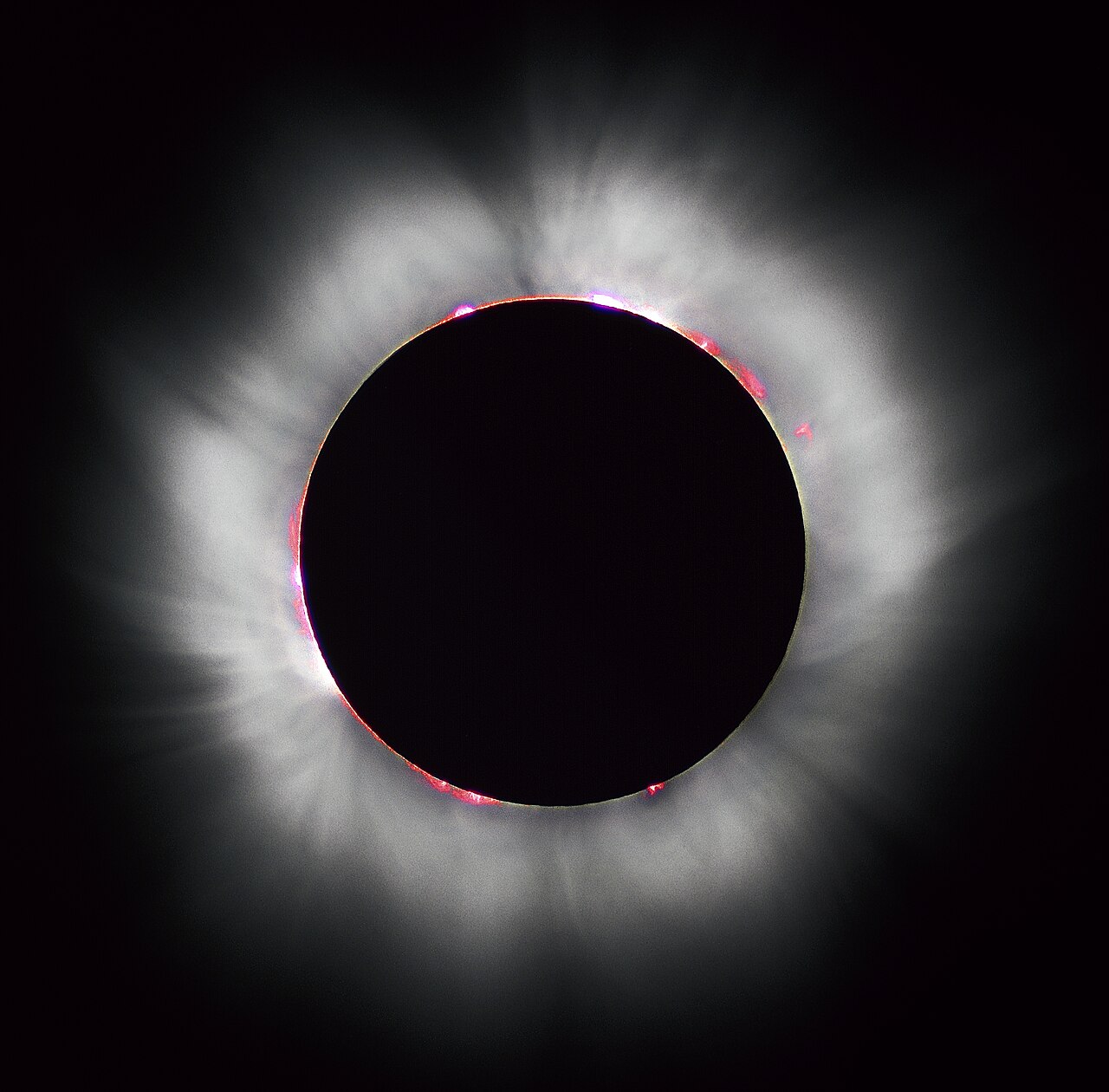
What exactly is a total solar eclipse?
A total solar eclipse happens when the Moon passes directly between the Earth and the Sun, completely blocking the Sun for a short time.
During totality you may experience:
- Day suddenly turning into twilight.
- Temperatures dropping slightly.
- Birds becoming quiet or heading to roost.
- Bright planets and stars appearing.
- The Sun’s spectacular white corona becoming visible – something impossible to see at any other time.
For many people who have seen one, it is one of nature’s most unforgettable spectacles.
What will we see in Pyrénées-Orientales?
Residents throughout Pyrénées-Orientales will enjoy a very large partial eclipse, with most of the Sun disappearing behind the Moon.
However, to experience the magical few minutes of complete darkness, you’ll need to cross into South Catalonia, where the path of totality passes through the southern part of the region.
Where is the best place to watch?
The Catalan Government has already designated official viewing sites chosen for their safety, accessibility and clear horizons.
Some of the recommended locations include:
- Alcanar
- Amposta
- L’Aldea
- L’Ametlla de Mar
- Cambrils
- Tarragona
- Reus
- Lleida
- Gandesa
- Móra la Nova
These areas lie close to the centre of the eclipse path, giving the longest period of totality.
Why the location matters
Unlike many eclipses, this one occurs late in the evening, with the Sun sitting less than five degrees above the horizon.
That means even small hills, trees or buildings could block your view.
If you’re planning to go, choose somewhere with:
- an uninterrupted western horizon
- open countryside or coastline
- plenty of parking
- enough time to arrive well before the event.
The official Catalan eclipse website even provides interactive maps showing whether surrounding hills will block your view.
Expect very busy roads
Authorities expect tens of thousands of visitors from across Europe.
Special traffic management plans are already being organised, including:
- additional police patrols
- designated viewing areas
- restrictions on stopping along major roads
- extra parking
- traffic diversions if necessary.
If you’re travelling from France, leave early and plan for delays, particularly on routes towards Tarragona and the Ebro Delta.
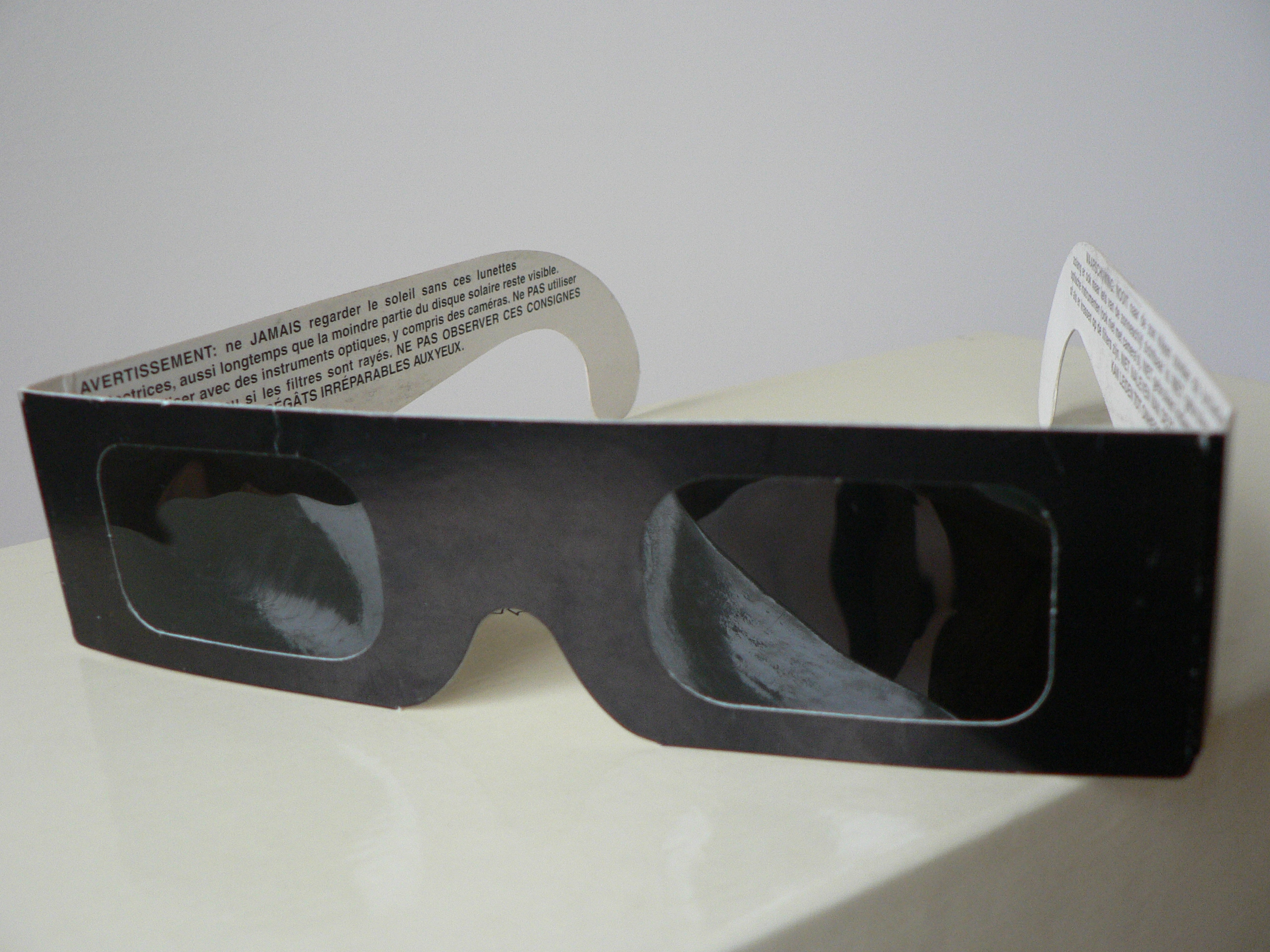 Never look directly at the Sun
Even when most of the Sun is covered, looking at it without proper protection can permanently damage your eyesight.
You should only use:
- eclipse glasses certified to ISO 12312-2
- telescopes or binoculars fitted with approved solar filters.
Ordinary sunglasses are not safe, and neither are smoked glass, CDs, X-ray film or homemade filters.
A rare run of eclipses
Astronomers are especially excited because this is the first of three remarkable eclipses visible from the Iberian Peninsula in successive years:
- 12 August 2026 – Total eclipse (Catalonia and northern Spain)
- 2 August 2027 – Another total eclipse across southern Spain
- 26 January 2028 – Annular (“Ring of Fire”) eclipse visible from parts of Spain and Catalonia.
Having three major eclipses in such quick succession is exceptionally unusual.
A perfect evening for stargazers
As an added bonus, the eclipse falls during the annual Perseid meteor shower, one of the year’s best displays of shooting stars.
Once the Sun has set, anyone staying out in a dark location may be rewarded with meteors streaking across the sky later that evening.
Did you know?
- The last total eclipse seen from parts of Catalonia was 121 years ago.
- The next comparable one won’t arrive for well over a century.
- Totality lasts only around one minute in most Catalan viewing areas—but many eclipse chasers travel around the world just to experience those unforgettable 60 seconds.
This is likely to be one of the biggest events of summer 2026 in our region. If the skies stay clear, it promises to be an evening that people will still be talking about for decades