
The Letter That Survived Auschwitz
Written in the Camp de Rivesaltes in 1942, Lusia Drommelschlager’s heartbreaking letter to her two-year-old son, Edouard, survived deportation, Auschwitz and 43 years of silence. Today, it has come home to the Pyrénées-Orientales.
A young Jewish mother wrote her final words to her two-year-old son in the Camp de Rivesaltes. She was murdered at Auschwitz but her letter survived — and 84 years later, it has come home.
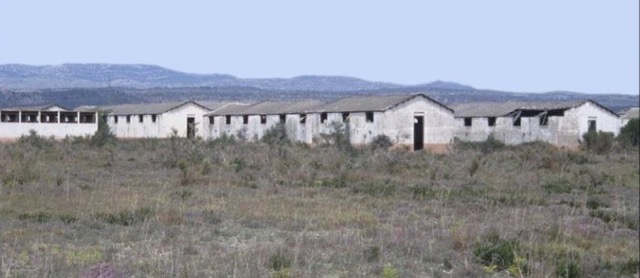
She somehow managed to throw it from the train carrying her towards Auschwitz. It was recovered and eventually made its way through the years until, 43 years later, it reached the son for whom it had been written.
The story of that letter was at the heart of an evening at the Mémorial du camp de Rivesaltes on 3 September ’26, when the documentary La Lettre, the testimony of Édouard Drommelschlager, was screened. It is difficult to imagine a more powerful story connected to a place that many of us pass without fully appreciating what happened there.
But the story begins much earlier, in another world.
Lusia Gurwicz was born in Białystok, Poland, in 1918. She moved to Antwerp in 1937, where she met Raphaël Drommelschlager. When war came, the couple fled Belgium. Lusia was pregnant when she arrived in Toulouse, and Édouard was born there on 22 May 1940.
They eventually settled in the tiny village of Llo, in the Pyrénées-Orientales, hoping that France might provide safety and perhaps a route across the nearby Spanish border. It did not
Instead, in the summer of 1942, the danger caught up with them.
On the morning of 26 August, French police arrived in Llo as part of the mass roundup of foreign Jews ordered by the Vichy authorities. Lusia had only moments to make a decision that no mother should ever have to make.
She handed her two years old son to neighbours who hid him from the police.
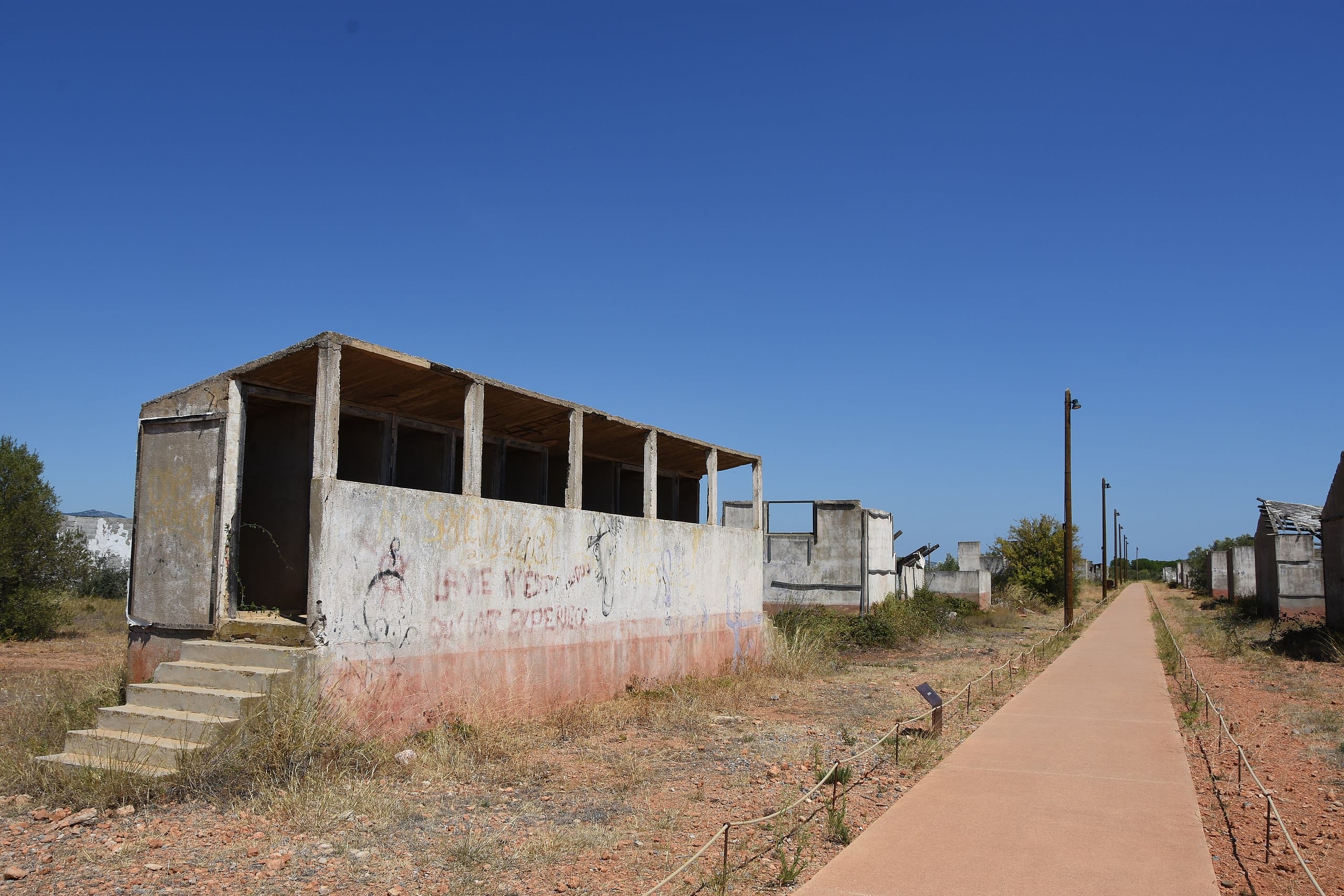
Lusia and Raphaël were sent to the Camp de Rivesaltes, where they remained for about a week. On 3 September, fearing that they would never see him again, Lusia sat down and wrote to him.
“I kiss you with all my broken heart.”
She began: “My very dear little only son…”
The letter is simple and tender. There is no attempt to explain the enormity of what was happening.
She tells him that his father cannot bring himself to write. She tells him that all their thoughts and hopes are with him. She asks him not to blame them one day for any wrongs they may have done him. And, with a terrible awareness of what may be coming, she tells him that if they are lost or dead, he should turn to his grandparents.
Finally she writes: “I kiss you with all my broken heart.”
Her husband Raphaël added a final line: kisses from Papa and Grandpapa.
The following day, Lusia and Raphaël were transferred from Rivesaltes to Drancy. On 11 September 1942, they were deported to Auschwitz-Birkenau. They did not return.
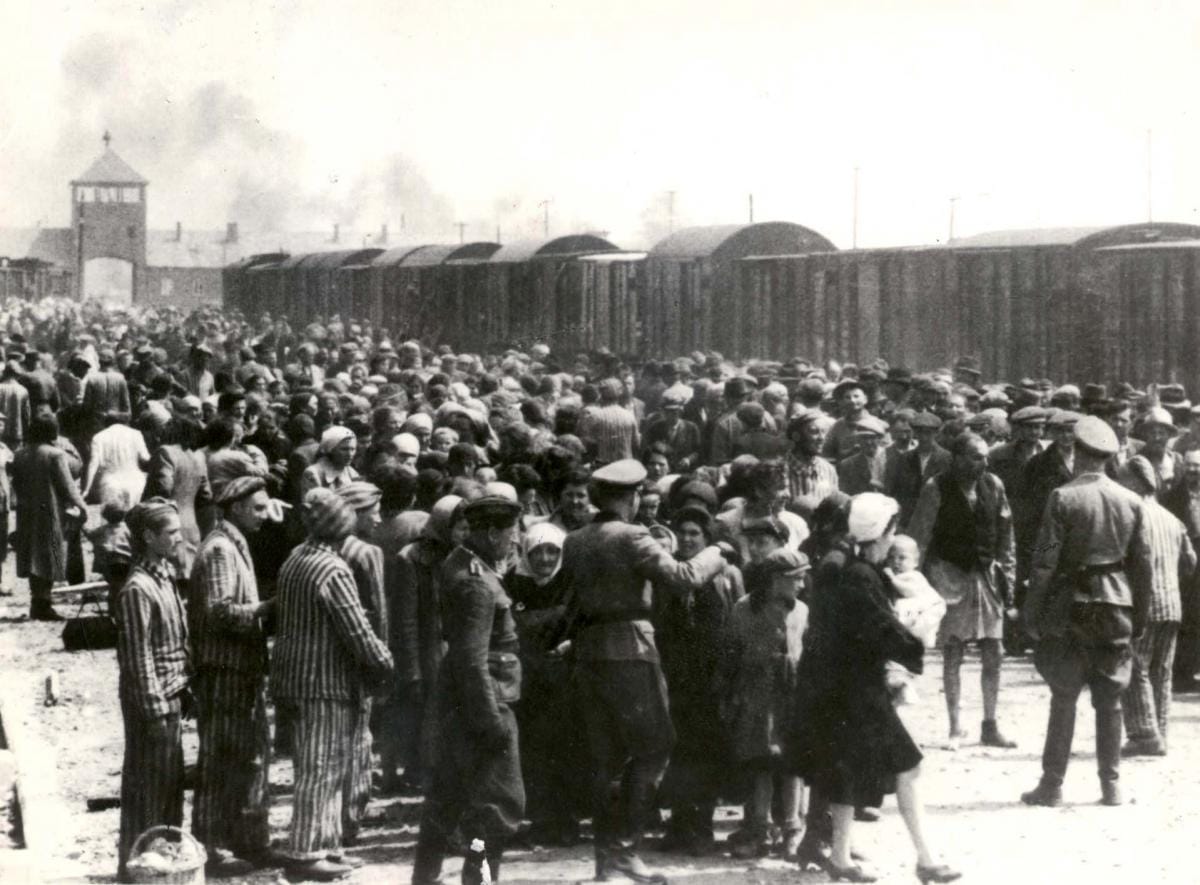
Yad Vashem records the 11 September train as Convoy 31, carrying 1,000 Jews from Drancy to Auschwitz. Only 13 survived the war; around 920 were murdered in the gas chambers on arrival. Luisa is believed to have been amongst them, whilst Raphael is believed to have died in a forced-labour camp, where tens of thousands of prisoners perished through starvation, exhaustion and brutal conditions.
Five hundred and seventy people in Convoy 31 came from Rivesaltes Camp Joffre.
But the letter survived, and forty-three years after his mother wrote it, Édouard finally read her handwriting. Suddenly, his mother was speaking to him.
Édouard and his wife, Catherine Grynfogel-Drommelschlager, began reconstructing Lusia’s life from photographs, letters, archives and fragments of family history. Catherine spent ten years following Lusia’s trail through Poland, Belgium and France. The result was Lusia, published in 2021 — an attempt, in Catherine’s words, to stop the “nothingness” and give Lusia back a life beyond the date of her death.
Now there is a book, a documentary, a novel and, most importantly, a physical place where the story can be encountered.
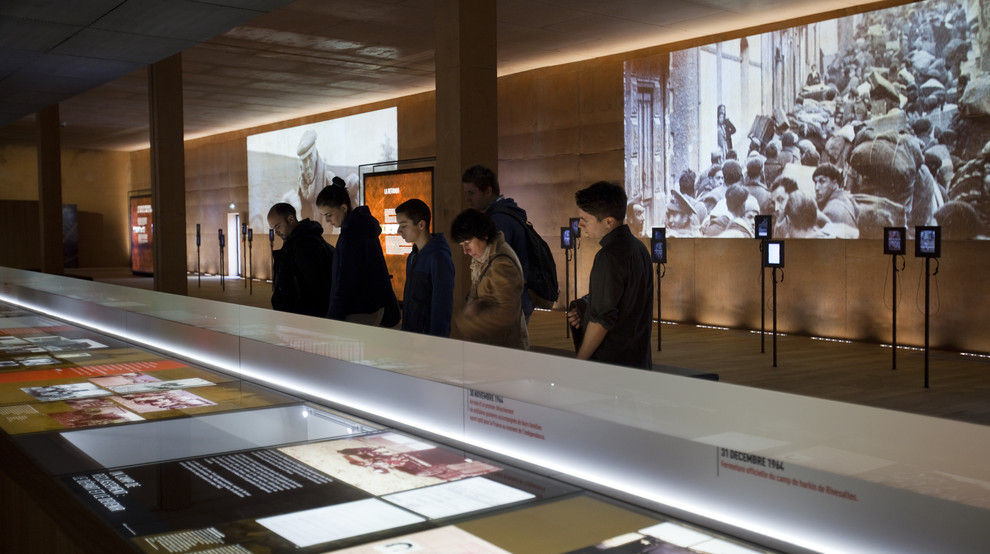
The original letter has been entrusted by Édouard to the Mémorial du camp de Rivesaltes and is now incorporated into its permanent exhibition.
It feels profoundly appropriate. The letter has come home. Today, visitors to the Memorial can stand in the same place where Lusia once stood and read the words she hoped her little boy might one day understand.
The Nazis tried to reduce people like Lusia and Raphaël to names on deportation lists and numbers in a transport.
Lusia is gone, but here, in Rivesaltes, her voice can still be heard.
Thank you for sharing this important bit of human history. A mother’s love for her son and a letter reaching its destination against all odds.