
La Toussaint in France:
At the end of October, the shops in France overflow with plastic skeletons, masks and spooky fancy dress costumes. Outside the florists, glorious pots of chrysanthemums wait to be taken to the cemetery and families gather to remember those who are no longer with them.
Halloween and La Toussaint sit side by side on the calendar, but each has its own story. Add a few wandering souls, some supernatural hospitality and a Catalan chestnut feast, and there is rather more to this time of year than pumpkins.
Flowers, folklore and Catalan traditions
La Toussaint is a much quieter occasion than its noisy neighbour, Halloween.
Here in the Pyrénées-Orientales, our Catalan heritage adds another flavour to the season: roasted chestnuts, little almond sweets and stories of souls returning to visit the living. Some visitors, apparently, expected refreshments.

All Saints and Samhain
La Toussaint takes place on 1 November. Its name comes from tous les saints, meaning “all the saints”, and the Catholic celebration honours saints both known and unknown.
It is not, strictly speaking, the day of the dead. That falls on 2 November, when the Church remembers and prays for the departed.
However, 1 November is a public holiday in France, so it has become the customary day for many families to visit the cemetery. The two occasions have become closely linked, which explains why a celebration of saints is so strongly associated with remembering family and friends.
It was also believed to be an attempt by the church to detract attention from the Celtic, Pagan celebration of Samhain, (pronounced sow-in), born in the British Isles, later to become Halloween.
The festival celebrated the end of the bright, warm days of summer and the beginning of the cold dark nights of winter, when spirits were supposed to rise from the dead – none too Catholic for the controlling church..
But it was too late! To the dismay of the Church, ghost, ghoulie and evil beastie celebrations had already caught on and Halloween soon became a yearly festival of masks and disguises to scare away the spooks and evil spirits.
Halloween in France however, has only recently become fashionable thanks (?) to films and American sit coms, McDo etc, all of which have given French children a taste for dressing up and ‘trick and treating’. This tradition of asking for sweets has moved a long way from its original intention, when the poor would go from door to door receiving food in return for prayers for the dead.

Why chrysanthemums?
With their generous autumn flowers, chrysanthemums bring colour to French cemeteries just as much of the garden is giving up for winter.
Their connection with remembrance became particularly strong after the First World War, when France honoured its enormous number of war dead.
You will often read that the tradition began with an official appeal to decorate soldiers’ graves in 1919. The details vary between accounts, and chrysanthemums were already being placed on graves before then. The post-war commemorations helped reinforce an existing association rather than creating it from nothing.
Their timing certainly helped: a flower that puts on its best display around Toussaint was always a strong candidate for the job.
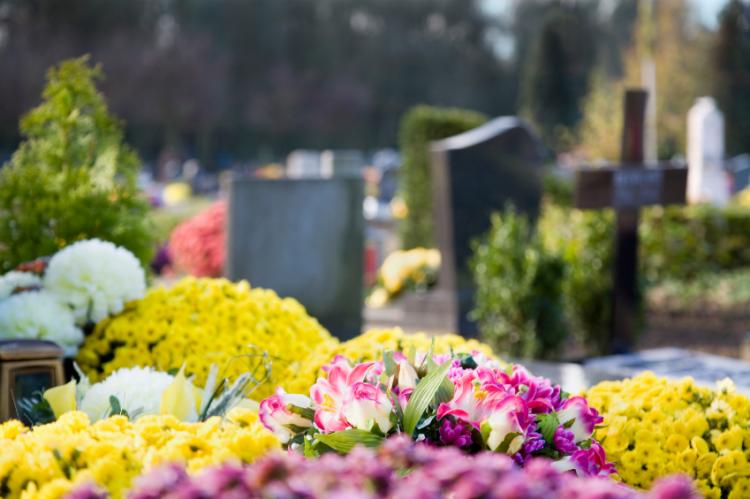
A bouquet for your dinner hostess? Choose carefully!
Cemeteries are busy on this day of remembrance and chrysanthemums are on sale on every street. Tempting as they are, don’t offer them to your hostess (or your mother-in-law) when invited out for dinner! They are for the dead and you don’t want your hostess may wondering whether you know something she doesn’t.
Toussaint in the Pyrénées-Orientales: Tots Sants
In Catalan, All Saints’ Day is Tots Sants.
The Pyrénées-Orientales shares a cultural heritage with Catalonia across the border, and food is one of the most enjoyable ways to explore it.
Alongside cemetery visits and family remembrance, the Catalan autumn tradition of La Castanyada brings people together over roasted chestnuts, sweet potatoes, panellets and, often, a little sweet wine.
Traditionally associated with the period around All Saints’ Day, it is frequently celebrated on the evening of 31 October. Customs vary between families and places: there is no single compulsory menu or timetable.
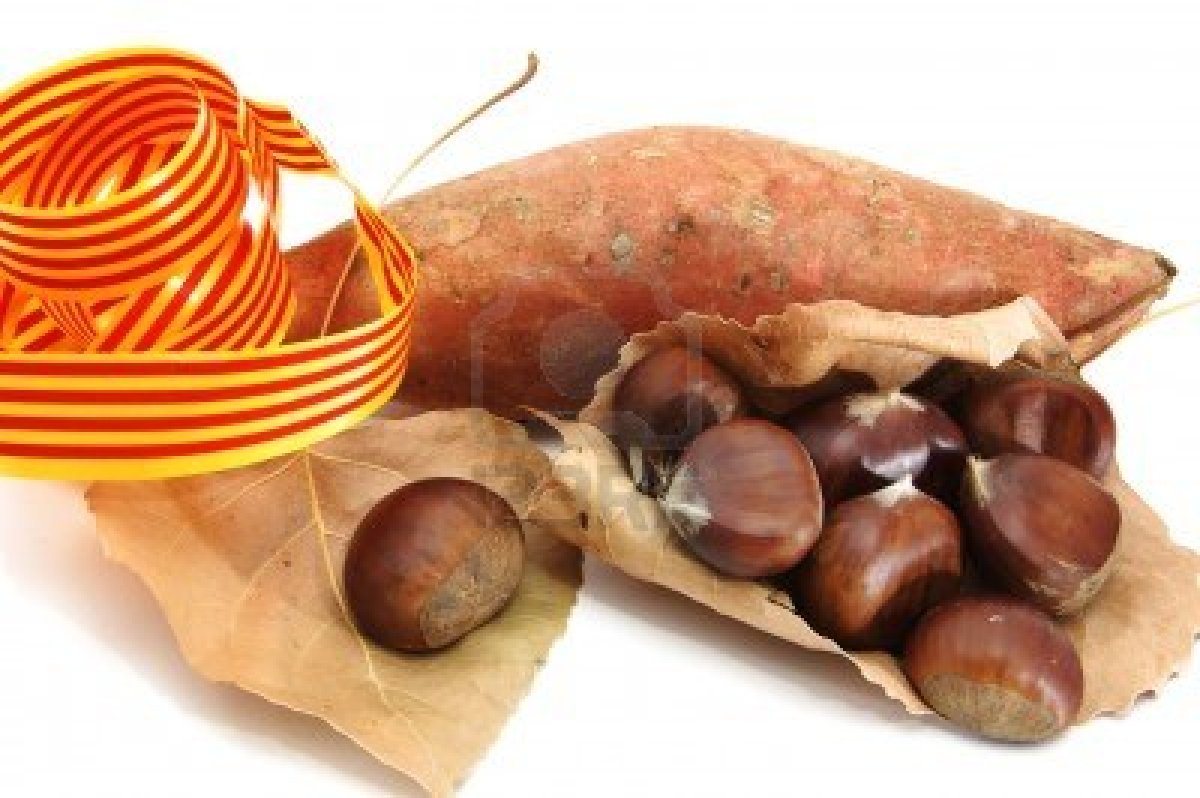
Chestnuts to keep the bells ringing
One traditional explanation for La Castanyada concerns the church bell-ringers.
Bells were rung through the night to remind people to pray for the dead. Ringing them was hard physical work, and the bell-ringers needed something substantial to keep them going.
According to the story, chestnuts and sweet wine provided the necessary fuel. Friends and relatives helped with the ringing and shared the refreshments.
Other accounts connect the feast with older meals held in remembrance of the dead. Its beginnings are not entirely clear, but the combination of remembrance, company and autumn food has endured.
Despite a name meaning “little breads”, panellets are sweet almond-based treats, often rolled in pine nuts before baking.
Recipes vary, with some including potato or sweet potato alongside the ground almonds and sugar. Small, golden and rather easy to eat, they give remembrance season a distinctly comforting side.
When the dead brought the sweets
One charming belief recorded in Catalan tradition gave children a special role in the evening’s preparations.

They would leave chestnuts somewhere in the house for the souls of departed relatives. During( the night, the visiting souls were said to collect them and leave panellets in exchange.
It may be folklore but it offers a gentler picture than that of a skeleton knocking at the window!Cerdanya’s own frightening characters
For a spooky story close to the Pyrénées-Orientales, there is no need to travel far.
Across the border at Puigcerdà, in Cerdanya, the Nit d’Ànimes, or “Night of Souls”, has drawn on traditional local characters called espantanens: figures once used to frighten children into behaving.
The Generalitat’s folklore inventory describes characters including en Papassa, en Rosegacebes and la Nit roaming the streets with drummers, acting out the belief that the spirits of the dead return to visit the living.
This is a revival of regional folklore, giving familiar local bogeymen a place in the season’s celebrations. If planning a visit, check the current programme rather than relying on the traditional date. (patrimonifestiu.cultura.gencat.cat)
Elsewhere in France, supper was left for the spirits
The idea of welcoming departed relatives was not confined to Catalan country.
In parts of Brittany, families once left crêpes and milk on the table at Toussaint for the dead, who were believed to return to their former homes.
These were regional beliefs, not rules followed throughout France. Yet they share something with the Catalan chestnut stories: the dead were still thought of as members of the household, deserving a welcome and a bite to eat.

And Halloween?
Halloween falls on 31 October, immediately before Toussaint. Its name means the eve of All Saints’ Day, but today’s costumes and sweet collecting are a different celebration from France’s cemetery visits and family remembrance.
Here in the Pyrénées-Orientales, the season offers room for both — along with the Catalan traditions that give it a character of its own.
Flowers for the departed, chestnuts for the family, and perhaps a few panellets kept aside. Just in case anyone unexpected comes home