
The Man Who Said No to the Nobel Prize
Imagine being offered one of the greatest literary honours in the world — along with a handsome sum of money — and saying non!
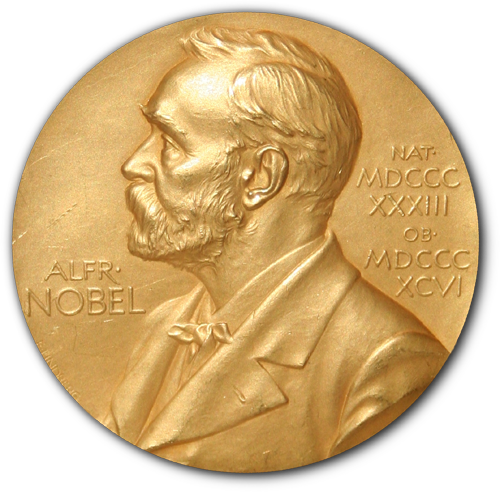
In October 1964, French philosopher, writer and playwright Jean-Paul Sartre did something extraordinary. He turned down the Nobel Prize in Literature, along with the prize money of £19,000 (worth a lot more at the time).
Sartre became the first person to voluntarily refuse a Nobel Prize, one of the world’s most prestigious awards.
Sartre was one of the most famous writers and thinkers of his generation. He became known around the world for his ideas about freedom, choice and the meaning of life. Even if his name is unfamiliar, you may have come across his famous novel Nausea, his play No Exit, or his much-quoted saying: “Hell is other people.”
But why would anyone refuse an award that most writers could only dream of receiving?
Sartre, best known for his ideas about human freedom and personal choice, believed that writers should remain independent and not be tied to official honours or institutions.
He made his decision before the award was formally presented, explaining that he did not want to be put in the position of having to refuse it afterwards.
The news caused quite a stir. His friends confirmed that he had both personal and principled reasons for his decision, while colleagues at the magazine he was associated with reportedly tried to persuade him to change his mind.
Yet Sartre stood firm.
Whether one agrees with his decision or not, his story reminds us that success does not mean the same thing to everyone. For some, the greatest reward is not a medal, a title or a cheque, but the freedom to remain true to their own beliefs.
SOME OF HIS MOST FAMOUS QUOTES
- Hell is other people.(L’enfer, c’est les autres): From his play No Exit, meaning that the judgment and gaze of others trap us and shape our self-image.
- Man is condemned to be free.: From Existentialism is a Humanism, meaning humans did not create themselves yet are entirely responsible for every choice they make.
- If you’re lonely when you’re alone, you’re in bad company. A reflection on self-reliance and the relationship one has with their own consciousness.
- When the rich wage war, it’s the poor who die. (Quand les riches se font la guerre, ce sont les pauvres qui meurent): From his play Le Diable et le Bon Dieu, critiquing the human and political cost of conflict.