
Do you advertise on Le Bon Coin?
They’re calling it new but of course, these scams have been going on for year: they just get cleverer with age!
Leboncoin users are being warned about a sophisticated new scam involving fake messages that appear to come directly from the platform. Cybercriminals are exploiting the trust users place in France’s largest classifieds website to steal banking information and empty victims’ accounts within minutes.
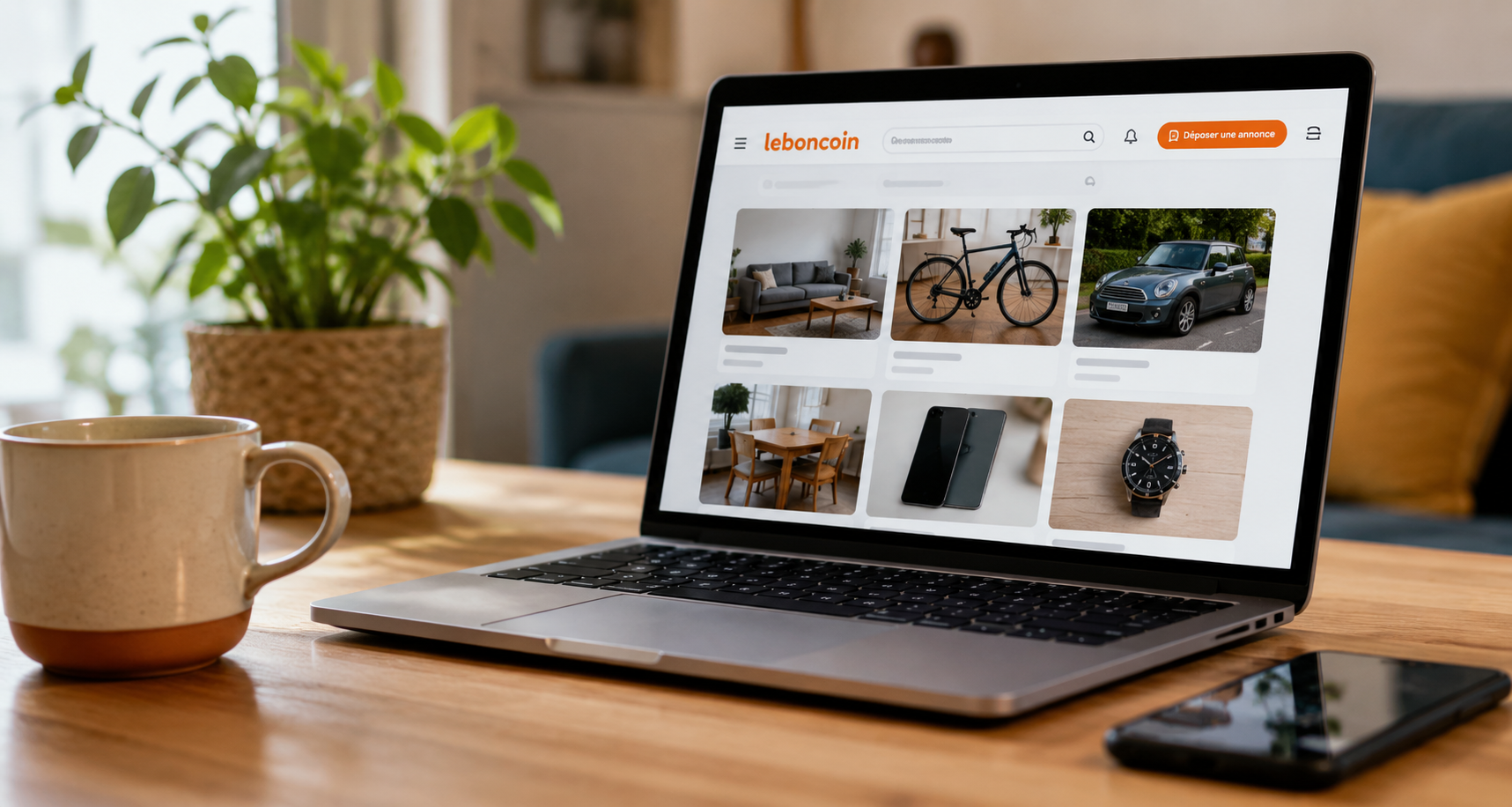
Fake Leboncoin Messages Are Fooling Users Across France
The scam begins with what looks like an official notification from Leboncoin. The message often claims there is a problem with a payment, a delivery, or account verification. Because the design, wording, and logos closely resemble genuine communications from the platform, many users do not immediately suspect fraud.
Victims are then encouraged to click on a link that redirects them to a counterfeit website almost identical to Leboncoin’s official interface. On this fake page, users are asked to enter sensitive banking details, including card numbers, expiration dates, security codes, or even banking login credentials.
Once the information is submitted, scammers can rapidly access victims’ accounts and carry out unauthorized transactions. In some cases, fraudsters also impersonate customer support agents to pressure users into validating payments or security checks in real time.
This new method is particularly dangerous because it relies on “spoofed” communications. The fraudulent messages can arrive via SMS, email, or internal messaging systems and may appear within existing conversation threads, making them look authentic.
Cybersecurity experts recommend several precautions to avoid falling victim to the scam:
- Never click on payment or verification links received through unsolicited messages.
- Always access Leboncoin directly through the official app or website rather than through embedded links.
- Carefully check URLs for spelling mistakes or unusual domain names.
- Never share banking codes, passwords, or card security numbers through messaging systems.
- Enable two-factor authentication whenever possible.
Leboncoin regularly reminds users that its secure payment system does not require customers to validate transactions through external websites or provide confidential banking information outside the platform.
Authorities in France have also urged victims to report suspicious messages immediately and contact their bank as soon as fraudulent activity is detected. Rapid action can sometimes prevent additional withdrawals or fraudulent purchases.
As online marketplace scams continue to evolve, experts warn that criminals are becoming increasingly skilled at mimicking trusted platforms. Vigilance remains the best defense against these highly convincing fraud attempts.
For English speakers living in France, there are a few important details that make this Leboncoin scam especially risky — particularly for expats, tourists, and newcomers who may not fully understand how French banking systems or local platforms work.
Many English-speaking residents use Leboncoin for buying furniture, cars, apartments, and second-hand goods because it is one of France’s most popular marketplaces. But scammers often target foreigners specifically because they may be less familiar with what legitimate French payment requests look like.
Here are several points worth highlighting in the article:
Foreign residents are often easier targets
Scammers know that many English speakers in France:
- are unfamiliar with Leboncoin’s official procedures,
- may struggle with technical French vocabulary,
- and are more likely to panic when receiving messages mentioning “payment blocked,” “account suspension,” or “verification required.”
Fraudsters sometimes even switch to English once contact is established.
French banking fraud rules differ from other countries
In France, banks can move quickly to block accounts after suspicious activity, but recovering stolen money is not always immediate. English speakers used to UK or US banking systems may wrongly assume card chargebacks are automatic.
Victims should contact:
- their bank immediately,
- the French anti-fraud platform PHAROS,
- and, if necessary, local police (“commissariat”).
Leboncoin never asks for sensitive banking details via chat
This is one of the most important warnings for newcomers. Legitimate payments on Leboncoin stay inside the platform’s secure payment system. Users should never:
- enter banking codes through links sent in messages,
- approve payments through unofficial pages,
- or share SMS verification codes.
Delivery scams are extremely common in France
Many scams involve fake “Mondial Relay,” “Chronopost,” or “Colissimo” delivery confirmations — services that may be unfamiliar to English-speaking residents.
Scammers frequently claim:
- “Your payment is pending.”
- “The buyer has already paid.”
- “You must confirm delivery to receive funds.”
These fake courier messages are a major red flag.
Mobile-first scams are harder to detect
Because many users browse Leboncoin entirely on smartphones, fake websites can appear almost identical to the real platform. On mobile devices, suspicious URLs are often hidden or truncated.
A practical tip for English-speaking (and any language) users in France:
- never continue a transaction outside the official Leboncoin app,
- avoid WhatsApp requests from buyers or sellers,
- and be suspicious of urgency tactics or overly polite scripted messages.
Scams spike during summer moving season, back-to-school periods, and holiday rentals searches.