
Losing Our Lunch – Is France Falling Out of Love with Lunchtime?
Old dogs and non-spring chickens will remember a time when lunch in France was not something you grabbed. It was something you stopped for.
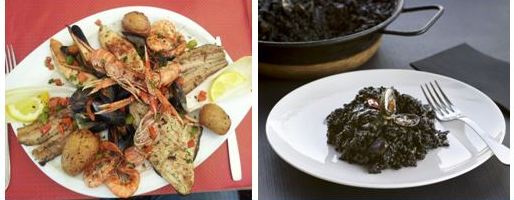
Once upon a time, even on an ordinary working day, the French lunch could be a serious affair. Shops and offices closed, shutters came down and the country appeared to grind to a halt while everyone went off to eat.
Two hours was nothing unusual. There might be an apéro, hors d’œuvre or starter, main course, salad, cheese, dessert and coffee, accompanied by bread, naturally, and very often wine.
Try fitting that lot into a 30-minute lunch break today.
France certainly hasn’t stopped loving food, but the way the French eat lunch has changed enormously.
Whatever Happened to the Two-Hour Lunch?
Modern life simply doesn’t fit around lunch in quite the way it once did.
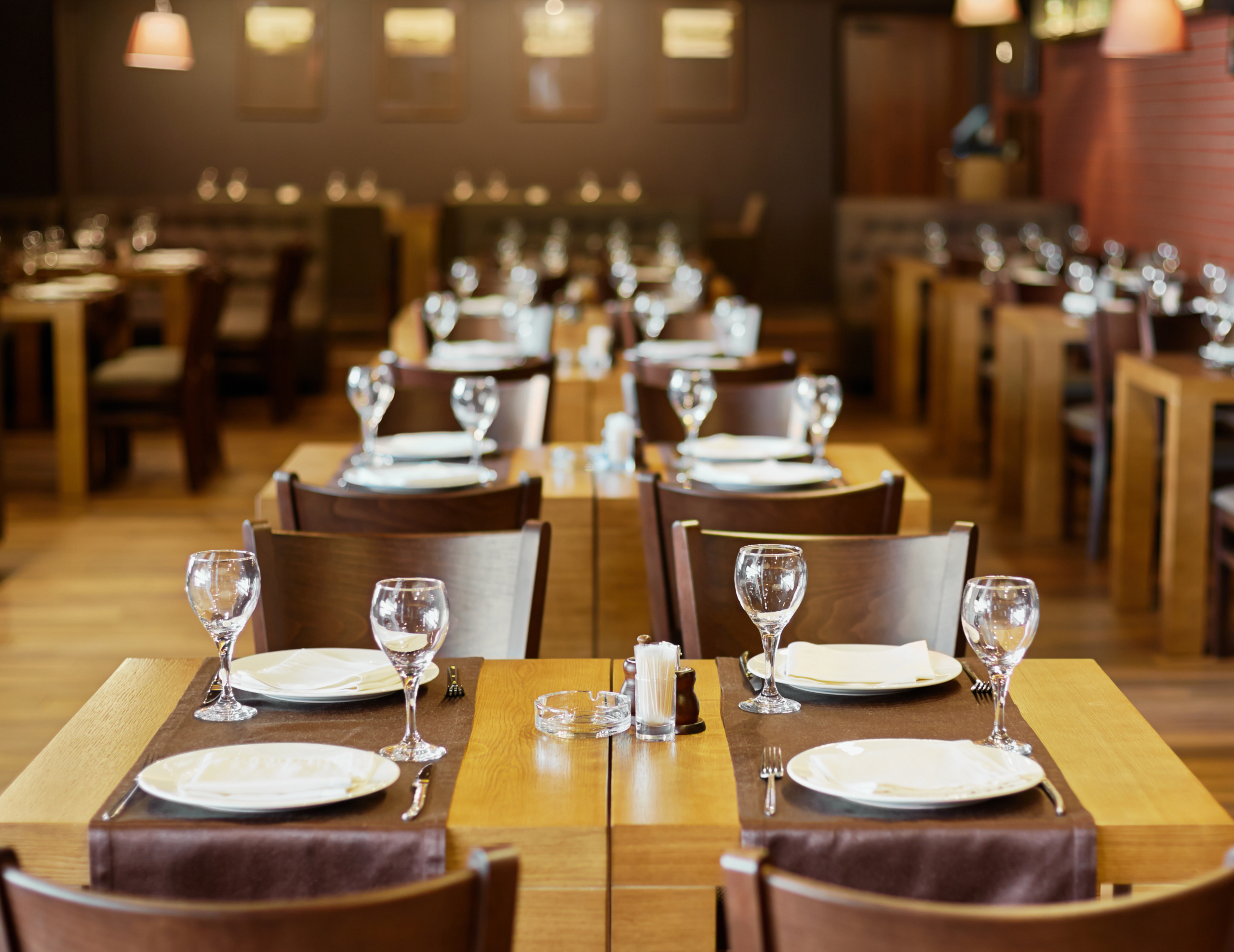
Working hours and habits have changed. More people commute. Couples are more likely to both be working. Shops and businesses increasingly stay open through lunchtime and customers expect them to do so.
And, of course, everything seems to happen faster.
The result is that the leisurely weekday lunch has gradually been squeezed. For many workers, two hours became one hour, one hour became 45 minutes and sometimes lunch is simply whatever can be eaten quickly before getting back to work.
France has discovered the hurried lunch.
The Rise of French Fast Food
Fast food doesn’t necessarily mean burgers and chips.
Walk into almost any French boulangerie around midday today and you’ll find an impressive selection of sandwiches, quiches, pizzas, salads and other ready-to-eat dishes, often sold as a formule with a drink and dessert.
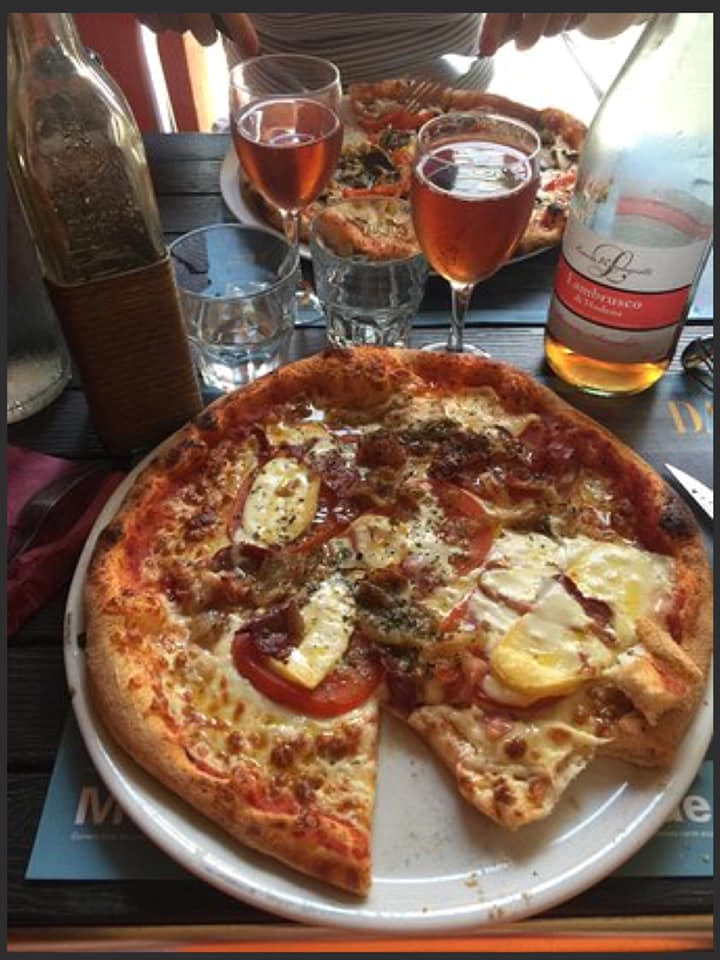
Supermarkets devote whole refrigerated sections to lunchtime food: salads, wraps, sushi, pasta, poke bowls and microwaveable meals.
Then there are kebab shops, burger restaurants, food trucks and takeaways offering everything from tacos and pizza to Vietnamese, Moroccan and Lebanese food.
The French lunch hasn’t just become quicker. It has also become far more international.
And perhaps that isn’t necessarily a bad thing.
Food has always travelled. Couscous has become so thoroughly embedded in French food culture that few people think twice about it, while sushi, tajines, curries and Asian dishes are now familiar choices in towns where they would once have seemed decidedly exotic.
Goodbye to the Lunchtime Carafe?
One of the most striking changes is not what is on the plate but what is in the glass.
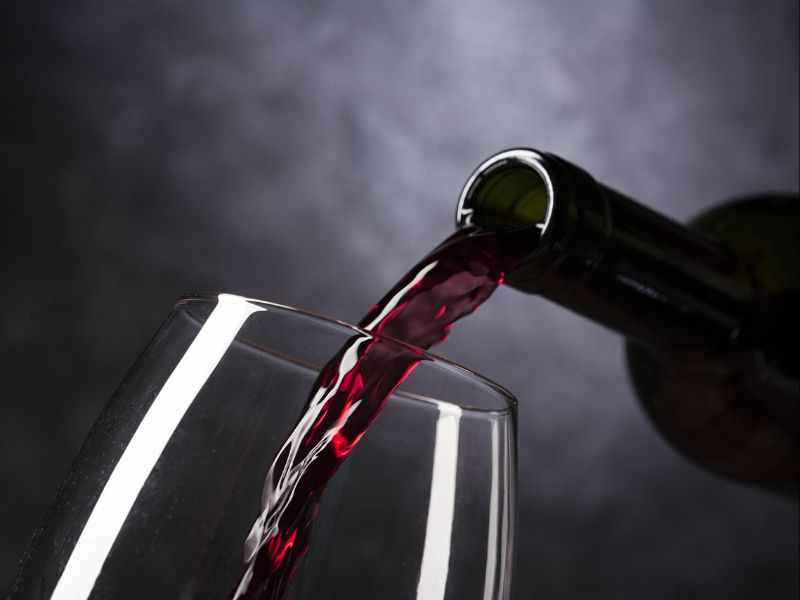
There was a time when a carafe of wine on the table at an ordinary working lunch was completely unremarkable.
A glass or two with lunch — sometimes followed by a petit digestif — was simply part of the meal.
Drink-driving laws and breath tests, workplace safety rules and changing attitudes towards alcohol have transformed that particular tradition.
Anyone driving back to work is far more likely today to order water than a pichet de rouge.
Probably a good thing for road safety, although another little piece of traditional French lunchtime culture has undoubtedly disappeared with it.
What About the Menu du Jour?
Thankfully, the traditional menu du jour is not dead yet.
Particularly in smaller towns and villages, you can still find restaurants serving a proper lunchtime menu, sometimes astonishingly good value, with starter, main course and dessert.
But even here habits have changed.
Many diners now choose a quicker formule, perhaps plat + dessert or simply the main course and a coffee.
The appetite for good food remains. What is increasingly missing is the time to linger over it.
The French Boulangerie – The Original Fast-Food Restaurant?
Perhaps France hasn’t embraced fast food quite as completely as it first appears.
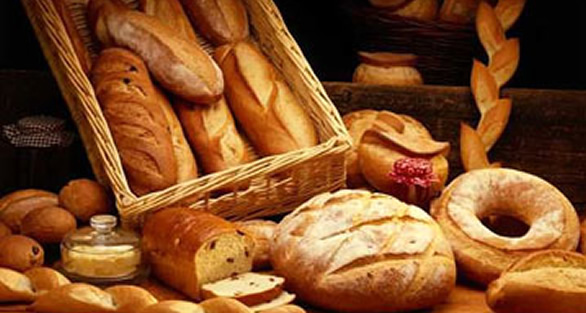
After all, the French have developed their own version.
A baguette sandwich from the boulangerie may be eaten just as quickly as a burger, but it still belongs firmly to French food culture.
Jambon beurre, pâté, tuna and crudités, goat’s cheese, quiche Lorraine…
Fast food, perhaps. Junk food? Not necessarily.
The distinction is worth making.
A quick lunch doesn’t automatically mean a bad lunch.
The Cantine Holds the Fort
There is also one place where France continues to take lunch surprisingly seriously: school.
The French cantine remains an important part of the school day, with children generally sitting down to eat a proper meal rather than simply grabbing a snack.
The details vary enormously from one school and commune to another, but the principle remains recognisably French: lunchtime is a meal.
So perhaps the next generation isn’t entirely lost to the sandwich after all.
Has the Long Lunch Simply Moved?
There is another possibility.
Perhaps France hasn’t actually lost the long lunch. Perhaps it has simply moved it from Monday to Friday to Saturday and Sunday.
The weekday meal may be hurried, but invite French friends or family for Sunday lunch and things can still look reassuringly familiar.
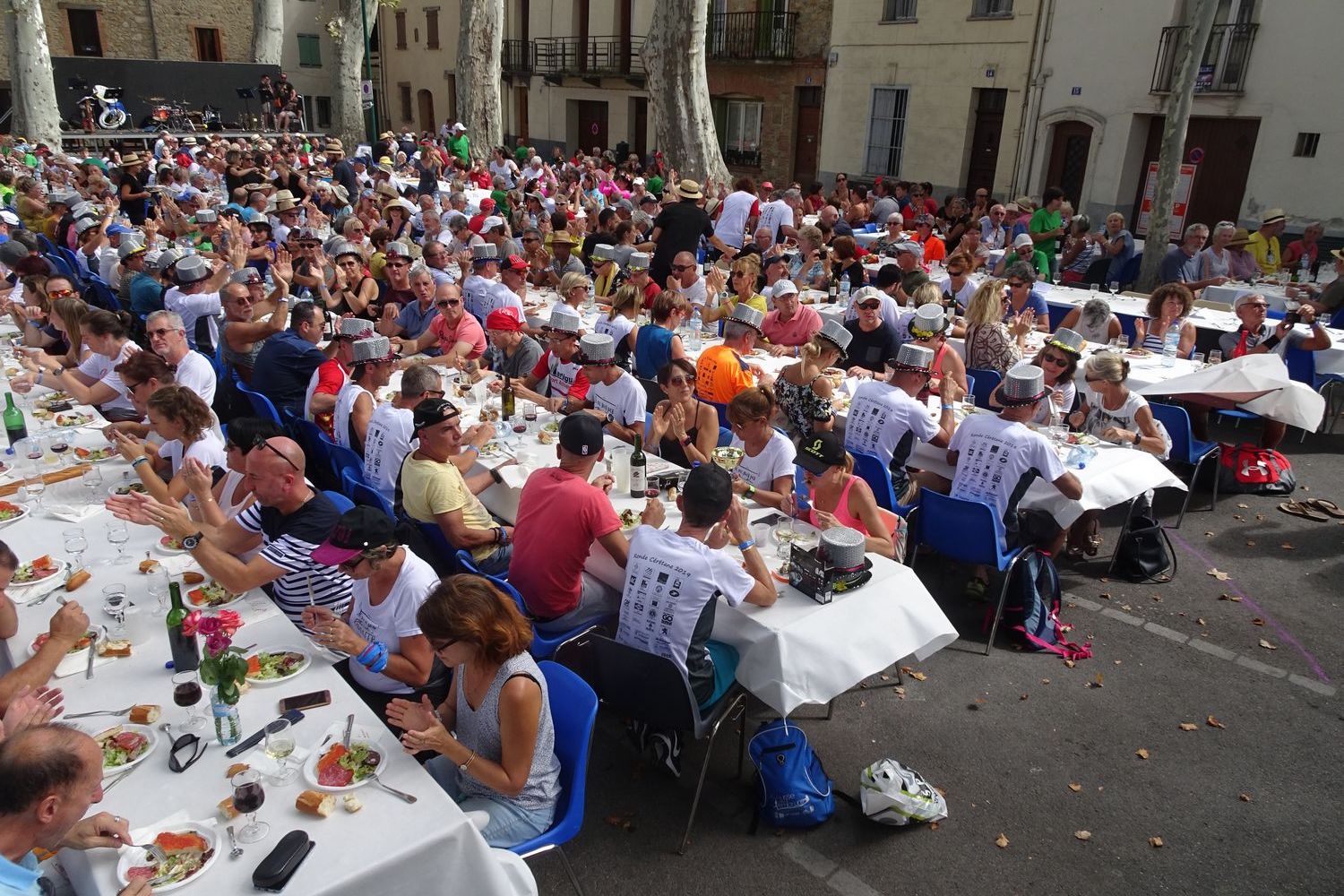
An apéro at midday can drift into lunch at one, cheese at three, coffee at four…
And nobody seems particularly worried about the time.
Birthdays, Christmas, weddings, village fêtes and family celebrations still revolve around the table.
France may be less willing to devote two hours to lunch every working day, but give the French a reason to eat together and the old habits quickly return.
Was Everything Really Better Before?
It is tempting to become nostalgic about the great French lunch of the past, but perhaps we shouldn’t get too misty-eyed.
Several glasses of wine followed by an afternoon operating machinery or driving a van wasn’t necessarily a tradition worth preserving.
Nor was eating an enormous meal and then attempting to remain awake at your desk.
And those wonderful family lunches didn’t magically appear on the table. Traditionally, somebody — very often a woman — had spent a considerable amount of time shopping, cooking, serving and clearing up while everyone else enjoyed their leisurely meal.
Convenience food has brought convenience for a reason.
What the French Say
We asked a few French friends what they thought about France’s changing lunchtime habits.
Bruno, Céret
La France suit toujours les mauvais exemples des USA… avec du retard! Autrefois, le repas de midi se composait plusieurs plats de l’apéritif au petit digestif, le tout accompagné de beaucoup de pain et arrosé de vin.
Le développement des fast-foods, la réduction du temps de pause, l’augmentation des prix et les contrôles d’alcoolémie on fait que peu à peu, les repas sont devenus plus courts, plus légers en quantité et moins alcoolisés…. au “bénéfice” de la junk food. Tout est speed de nos jours.
J’ai 68 ans, je vis à Céret, je n’ai jamais fréquenté de fast-foods de ma vie.
Annie, Le Barcarès
Tu manges quoi ce week-end alors? Moi j’ai prévu un tajine d’agneau comme je l’ai appris au Maroc. La cuisine, c’est ça pour moi, ça rapproche les cultures différentes, ça permet de communiquer et de trouver l’humain en chacun de nous.
Pedro
Le temps moderne nous empêche de passer du temps autour de la table. Par contre, il y a un moment et la place pour un bon fast food.
Christian, Céret
Fast food? Mais aussi casquettes, tatouages, réseaux sociaux, rap… Jusqu’où les USA vont-ils infecter notre savoir-vivre? Ici en Méditerranée il ne nous manque qu’un peu d’EAU!!
Useful French Vocabulary
autrefois – in the past, formerly
se composait de – was made up of
arrosé de vin – washed down with wine
contrôle d’alcoolémie – breathalyser/alcohol test
plus court / plus léger – shorter / lighter
fréquenter – to frequent, go to regularly
j’ai prévu – I’ve planned
ça rapproche – it brings people closer together
en chacun de nous – in each of us
nous empêche de – prevents us from
par contre – on the other hand
casquette – (baseball) cap
tatouage – tattoo
réseaux sociaux – social media/social networks
savoir-vivre – manners; knowing how to behave/live well
il ne nous manque que… – all we’re missing is…
menu du jour – set lunch/menu of the day
formule – fixed-price combination, often two courses or a main dish with drink/dessert
pichet de vin – small carafe/jug of wine
digestif – after-dinner alcoholic drink
cantine – school/work canteen
métro, boulot, dodo – literally “metro, work, sleep”: the repetitive routine of everyday working life
Are We Losing the Food – or Losing the Pause?
And perhaps that is the real question.
What made the traditional French lunch special wasn’t simply the number of courses.
It was the fact that everything stopped.
People sat down.
They talked.
Colleagues became friends over lunch. Families ate together. Customers waited because the shop was closed and there was absolutely nothing they could do about it.
Lunch created a dividing line in the day between morning and afternoon.
Today’s hurried lunch might actually be healthier. It might be a beautifully made salad, fresh sushi or a vegetarian dish rather than steak, chips, cheese, half a baguette and a carafe of red.
But if it is eaten from a plastic container while staring at a phone or computer screen, something has undoubtedly changed.
Perhaps France isn’t losing its love affair with food at all.
Perhaps it is simply losing the habit of giving food time.
And if so, maybe the occasional two-hour lunch isn’t such an old-fashioned idea after all.