
Flu Jab in France 2026–27 and the Cow Behind ‘Vaccine’
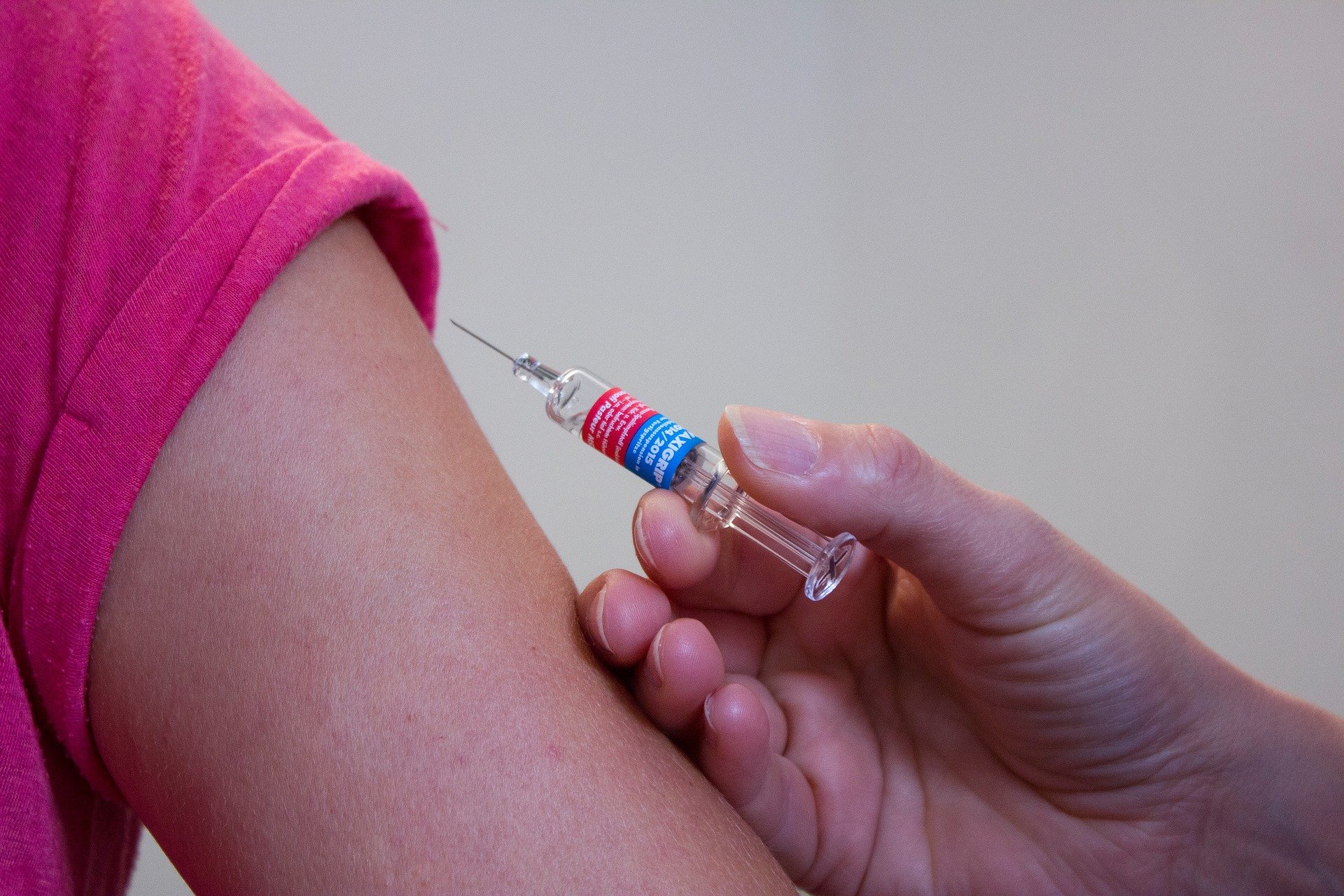
France’s autumn flu vaccinatioautumn flu vaccination campaign is under way. And the next time you see a reminder for vaccination contre la grippe in your local pharmacy, spare a thought for a Gloucestershire cow called Blossom. Her story helps explain why the word vaccine goes back to vacca, the Latin for cow. If you know the French word vache, you can hear the family resemblance.
 A milkmaid, a cow and an eight-year-old boy
In the late 1700s, people in rural England had noticed something curious. Milkmaids who caught cowpox, a much milder disease, seemed to escape smallpox, which could kill or leave survivors badly scarred. An English doctor, Edward Jenner, decided to put that piece of country wisdom to the test.
In May 1796, Jenner took material from a cowpox sore on the hand of a milkmaid named Sarah Nelmes. She had caught it from Blossom. He rubbed the material into small cuts on the arm of eight-year-old James Phipps. (Yes, yeuch!) Weeks later, Jenner deliberately exposed James to smallpox. The boy stayed well. It was a startling result from an experiment that would raise serious ethical questions today.
As for Blossom, her hide still hangs in the university library at City St George’s in London. Quite a legacy for a cow.
How the word travelled to France
At first, vaccination referred to protection against smallpox using cowpox. Nearly a century later, Louis Pasteur gave the word a wider meaning in honour of Jenner when his team used their rabies vaccine on nine-year-old Joseph Meister from Alsace after he was bitten by a rabid dog. Joseph never developed rabies.
And smallpox? After a worldwide vaccination and surveillance effort, the last known naturally occurring case was recorded in Somalia in 1977. The World Health Organization declared the disease eradicated in 1980.