Saint-André de Baillestavy and the Pyrenean Brook Salamander
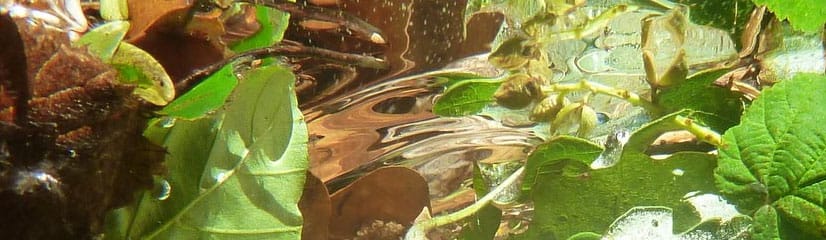
Few places in the Conflent combine history, wildlife and scenery as beautifully as the walk from Baillestavy to the ancient chapel of Saint-André. The route follows the Lentilla River, a lively mountain stream that tumbles over smooth granite boulders, forming clear pools and quiet eddies that invite visitors to stop, relax and enjoy the surroundings.
The riverbanks are rich in wildlife throughout the year. In spring and summer, dragonflies flash electric blue above the water while butterflies drift through the flower-filled meadows. In autumn, the colours of oak, chestnut and other native trees are reflected in the deeper pools, creating one of the most picturesque stretches of the valley. Small information panels along the route identify many of the local tree species.
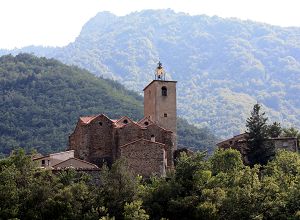
The walk begins in the village of Baillestavy, reached via the winding D13 from Vinça. The drive itself is part of the experience, climbing through the dramatic Lentilla Valley beneath the imposing silhouette of Mount Canigou. Terraced slopes, old irrigation channels and steep mountainsides bear witness to centuries of human activity in this remote corner of the Pyrenees.
Baillestavy has a long industrial history. Iron ore was mined in the area from Roman times onwards, and the valley played an important role in the iron industry of the Canigou massif. Today the village is much quieter, known instead for its rural charm, local produce and access to some of the region’s most beautiful walking routes.
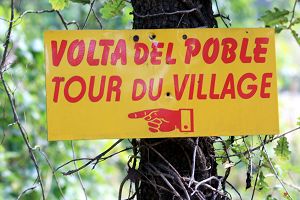
From the village, follow the signs for the “Tour du Village” towards the cemetery and the chapel of Saint-André. The path crosses a picturesque hump-backed bridge before passing through meadows and woodland. Although the route is relatively short, some sections are uneven, with cobbled stones and rough surfaces that may be challenging for wheelchairs and pushchairs.
The chapel of Saint-André dates back to the early medieval period, probably the 9th century. Built close to the former mining settlement, it became an important local church between the 11th and 15th centuries before gradually falling into decline as the centre of the village shifted uphill. Beautifully restored, the chapel now houses a small exhibition devoted to the iron-mining history of the Canigou massif, its simple stone architecture and peaceful setting offering a fascinating glimpse into Baillestavy’s past.
Those with energy to spare can continue up to the higher part of the village for fine views across the valley and towards Canigou. Allow around one and a half to two hours for the walk itself, though many visitors prefer to linger beside the river with a picnic.
Keep an eye on the clear waters of the Lentilla, because Baillestavy is one of the best places to spot the remarkable Pyrenean Brook Salamander. Found only in the Pyrenees of France, Spain and Andorra, this elusive amphibian is specially adapted to life in cold, fast-flowing mountain streams. With its broad head, rough skin and colours ranging from olive and grey to almost black, it appears almost prehistoric. Individuals can live for well over 15 years, making sightings all the more special.

Whether you come for the wildlife, the history or simply the tranquillity of the Lentilla Valley, the walk to Saint-André is a rewarding introduction to one of the lesser-known corners of the French Pyrenees.