
LAST UPDATED JUNE 2026
A Day Out in Saint-Cyprien: Beaches, Boats and Catalan Charm
There are places along the Mediterranean coast that are surely designed purely for summer holidays. Saint-Cyprien, at first glance, might appear to be one of them. Six kilometres of golden sand, rows of palm trees, yachts bobbing gently in a vast marina, and cafés spilling onto sunny terraces – it certainly ticks all the classic seaside-resort boxes. Yet spend a little time here and you discover there is much more to Saint-Cyprien than sunbeds and ice creams.
Nestled between the sea and the Pyrenees, with the mighty Canigou often visible in the distance, Saint-Cyprien is a place where Catalan traditions, maritime heritage and modern resort life sit comfortably side by side. Once a small village surrounded by marshland, it has transformed over the past sixty years into the second largest on the Med after Port Camargue, and the third largest in Europe, while somehow retaining a distinctly local feel.
So, if you have time to spare, let’s head off and enjoy Saint-Cyprien at its best.
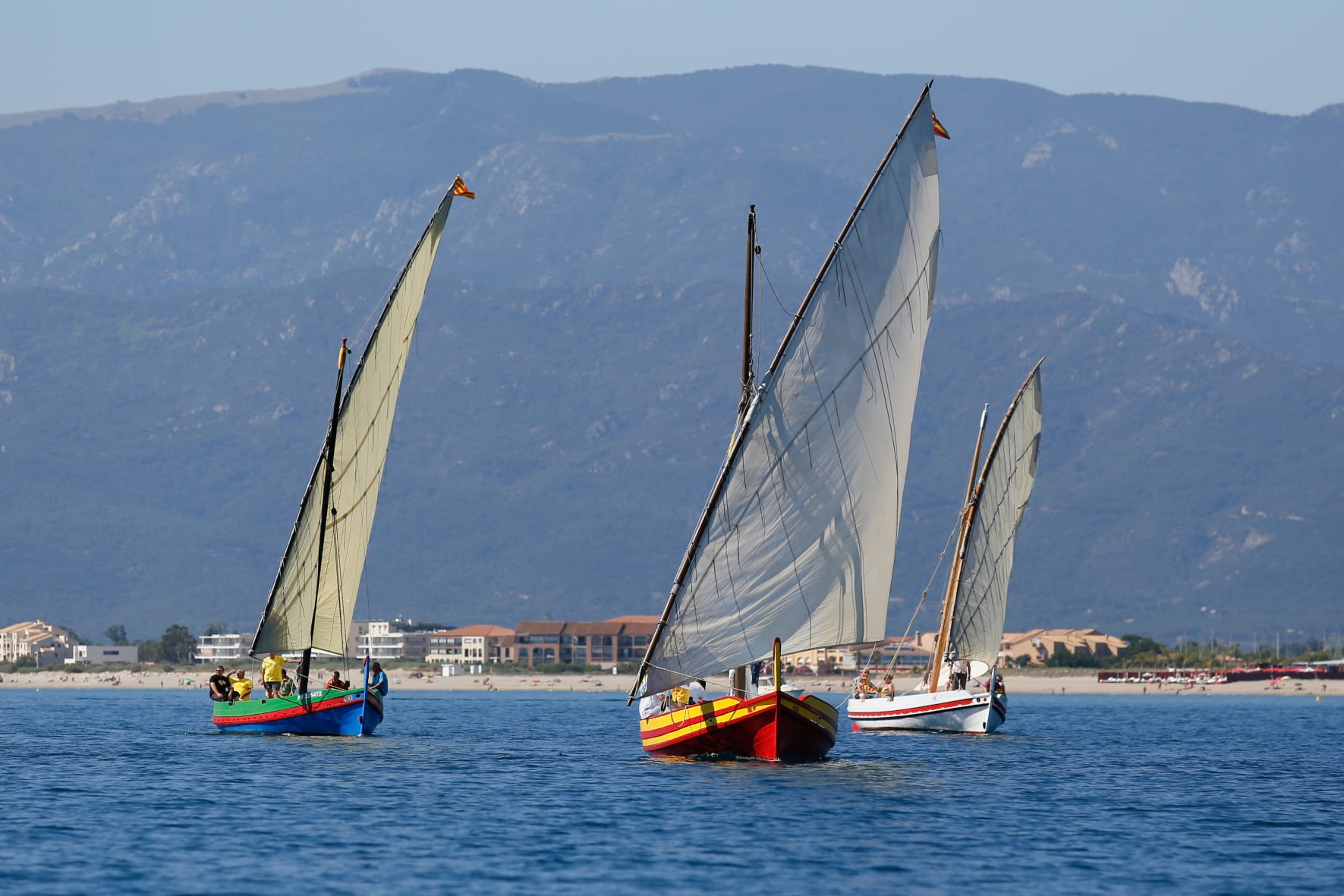
Let’s start with the Sea
The Mediterranean has a way of setting the pace for the day.An early stroll along the beach before the crowds arrive is a real tonic. The coastline stretches for kilometres, a broad ribbon of fine sand edged by dunes and gently lapping water. In the soft morning light, dog walkers, joggers and paddleboarders share the shore, while fishermen cast lines into the calm sea.
Regular visitors will tell you that the beach is at its most beautiful before ten o’clock in the morning. The light is softer, the air fresher and, if you’re lucky, you’ll catch sight of Canigou rising above the plain behind the town. After a night of rain, when the atmosphere is particularly clear, the mountain seems almost close enough to touch.
This coastline has not always looked as it does today. For centuries much of the area consisted of marshland and lagoons. Generations of local people dug drainage channels, known as agouilles, gradually reclaiming land from the wetlands. Without those efforts, the modern resort would never have existed.
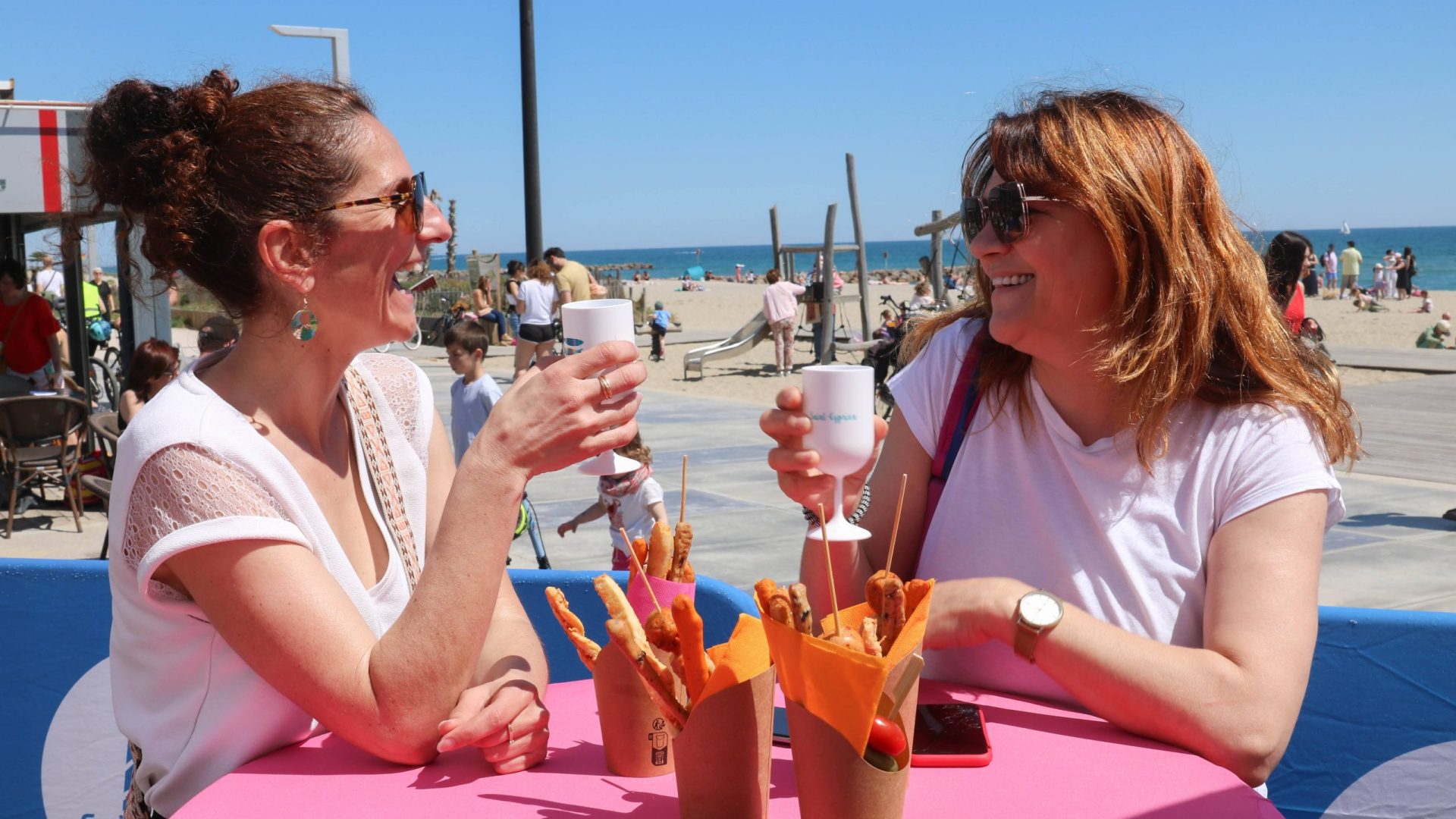
Pause for coffee, {wine, beer, champagne….) at one of the beachfront cafés and simply watch the world wake up. The Mediterranean has always encouraged people to slow down, and Saint-Cyprien is no exception.
Take a deep breath, here’s just a glimpse of what’s on offer:
- miles of golden sands (great for walking in winter)
- a port full of sail and motor boats of all sizes
- a golf course
- botanic gardens
- plenty of restaurants & bars
- a casino
- a discothèque
- quayside fishing boats with fish sold straight from the sea
- sporting opportunities galore both in, on and out of the water
- Parc de la Prade where dog owners will be pleased to discover a dedicated agility park, a secure area designed for dogs to run, play and socialise.
And just a short drive/bike ride from the beach, the pleasant village with attractive church, 17th century bell tower and interesting ‘rentables’, has recently started to rock!
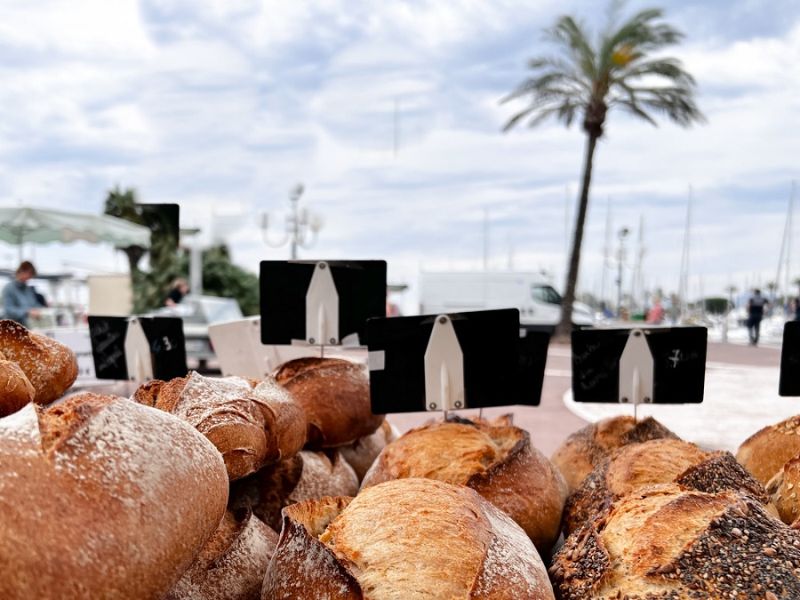
Don’t miss market day on Thursday in the Place de la Mairie.
A Coastline with a Story to Tell
While Saint-Cyprien is best known today as a vibrant seaside resort, its history has not always been carefree. In 1939, following the Spanish Civil War, thousands of refugees were interned in a camp established on the beaches here. Little remains visible today, but memorials and local archives preserve the memory of this significant chapter in the region’s history.

Life Around the Port
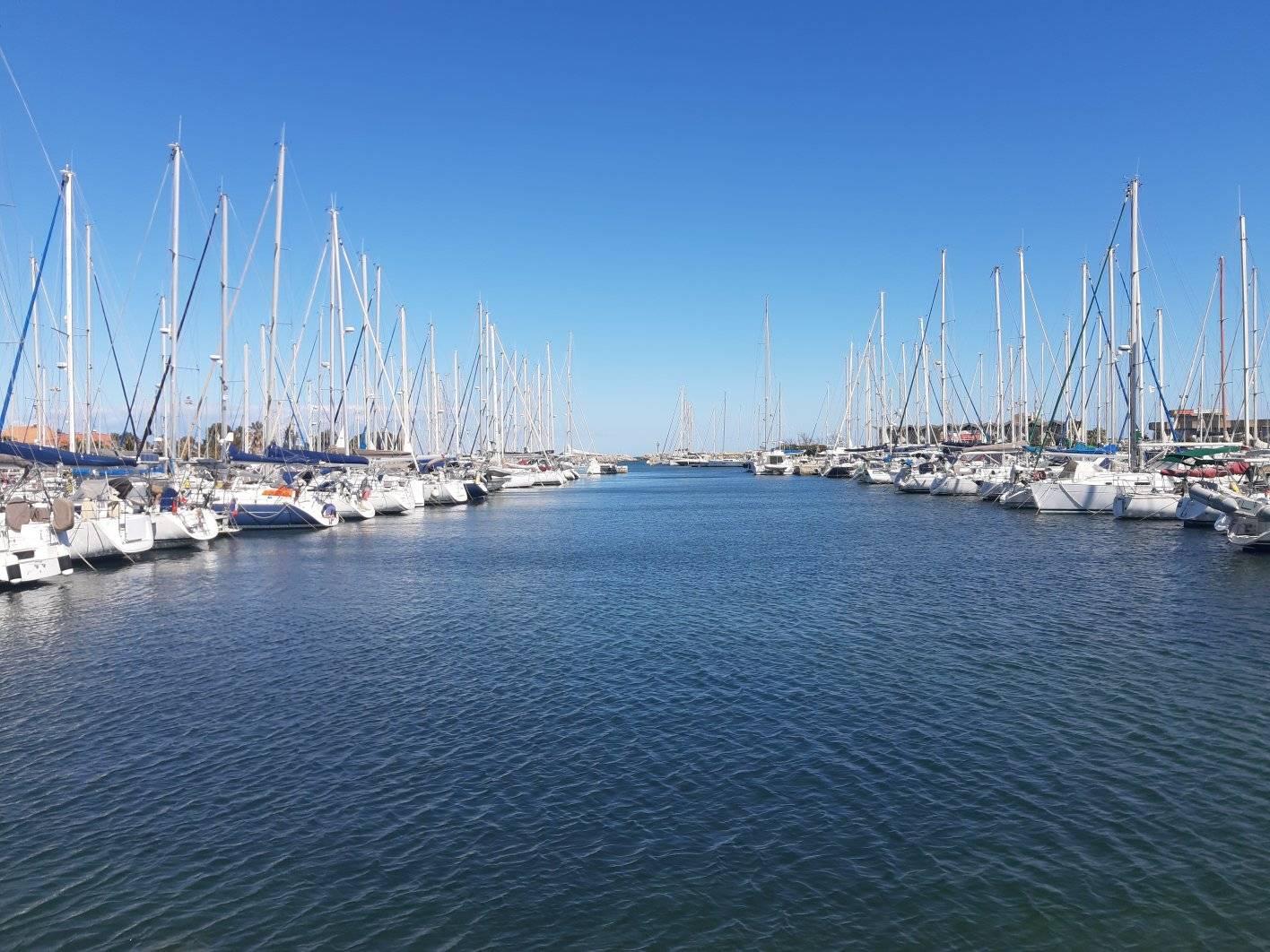
By late morning, make your way towards the marina, the beating heart of modern Saint-Cyprien.
Created in the late 1960s as part of a major coastal development programme, the port transformed the town’s fortunes. Today it is one of the largest marinas on the Mediterranean, home to thousands of boats and a lively waterfront atmosphere.
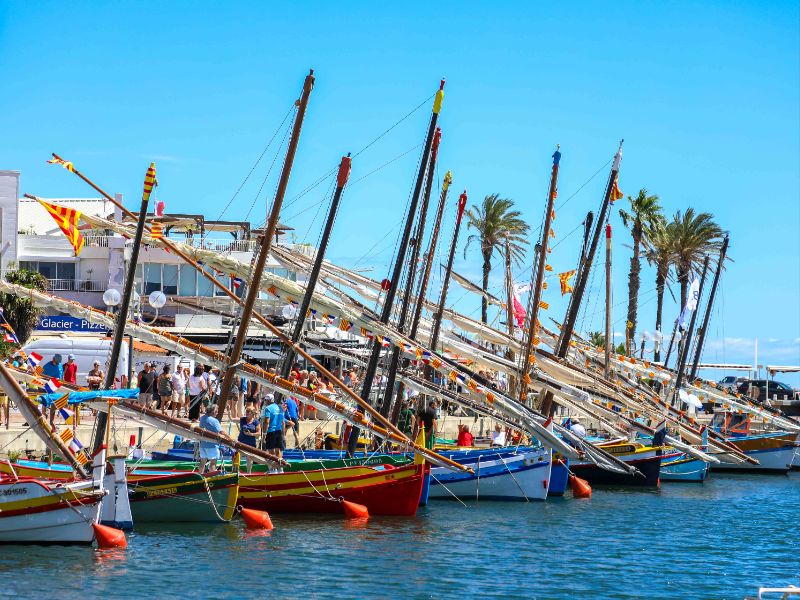
Yet despite its size, it never feels overly grand. There is a relaxed, family-friendly feel to the quays. Watch sailing crews preparing for a day at sea, admire sleek yachts alongside traditional fishing boats, or simply wander the promenades lined with cafés and restaurants.
You may arrive around the time the fishing boats return and see part of the day’s catch being unloaded. While tourism dominates the local economy today, fishing remains part of the town’s identity, and many local restaurants proudly feature fresh Mediterranean fish and seafood.
The marina also comes into its own at sunrise and sunset, when the light dances across the water and the masts create intricate silhouettes against the sky.
Lunchtime: A Taste of Catalonia
One of Saint-Cyprien’s greatest charms is its strong Catalan identity.
Although firmly French, this corner of the Pyrénées-Orientales has deep cultural links with neighbouring Catalonia. You’ll hear Catalan spoken alongside French, see the yellow-and-red Catalan flag flying during festivals and discover a cuisine shaped by both mountain and sea.
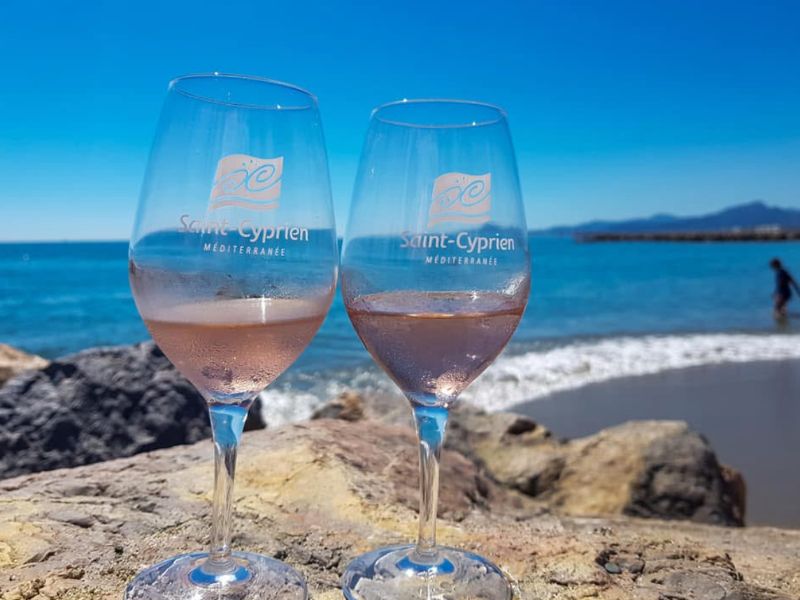
Look out for local specialities such as anchovies, grilled sardines, shellfish platters, Catalan charcuterie and seasonal fruit from the fertile Roussillon plain. In summer, markets brim with peaches, apricots, tomatoes and melons grown just a few kilometres away.
Take your time over lunch. This is southern France after all.
Afternoon: Discover the Village and its Stories
Many visitors never venture beyond the beach and marina, which is a pity because the original village tells another story entirely.
A short drive or cycle inland reveals a quieter Saint-Cyprien, centred around its church, shady squares and traditional streets. The settlement dates back many centuries, and references to Saint-Cyprien can be found in medieval records more than a thousand years old.
Long before the arrival of tourism, life here revolved around agriculture, fishing and the constant challenge of living alongside the marshlands that once covered much of the surrounding area. Generations of local families helped shape the landscape, draining wetlands and cultivating the fertile plain between the sea and the mountains.
Today, the village remains the most authentically Catalan part of Saint-Cyprien. Wander through the narrow streets and you’ll discover small cafés, local shops and quiet corners where everyday life continues at a gentler pace than along the seafront. It’s the perfect place to pause and experience the town beyond its holiday image.
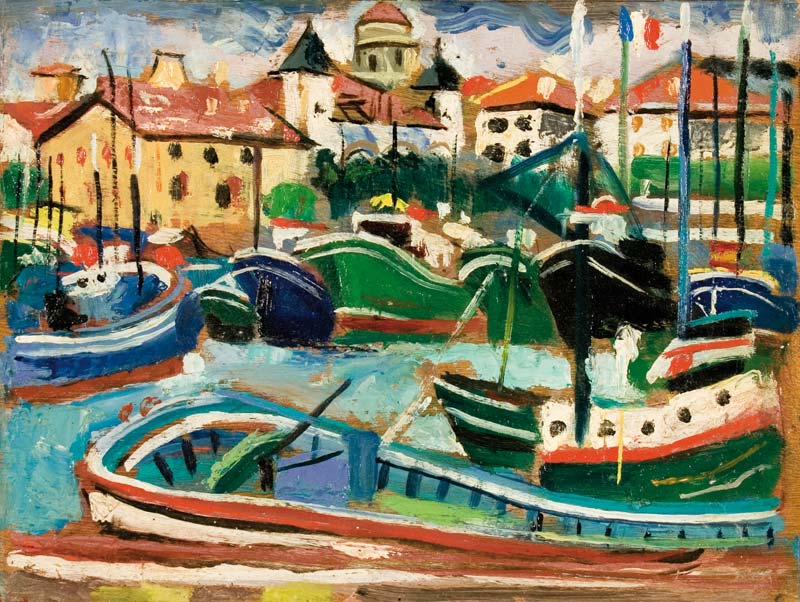
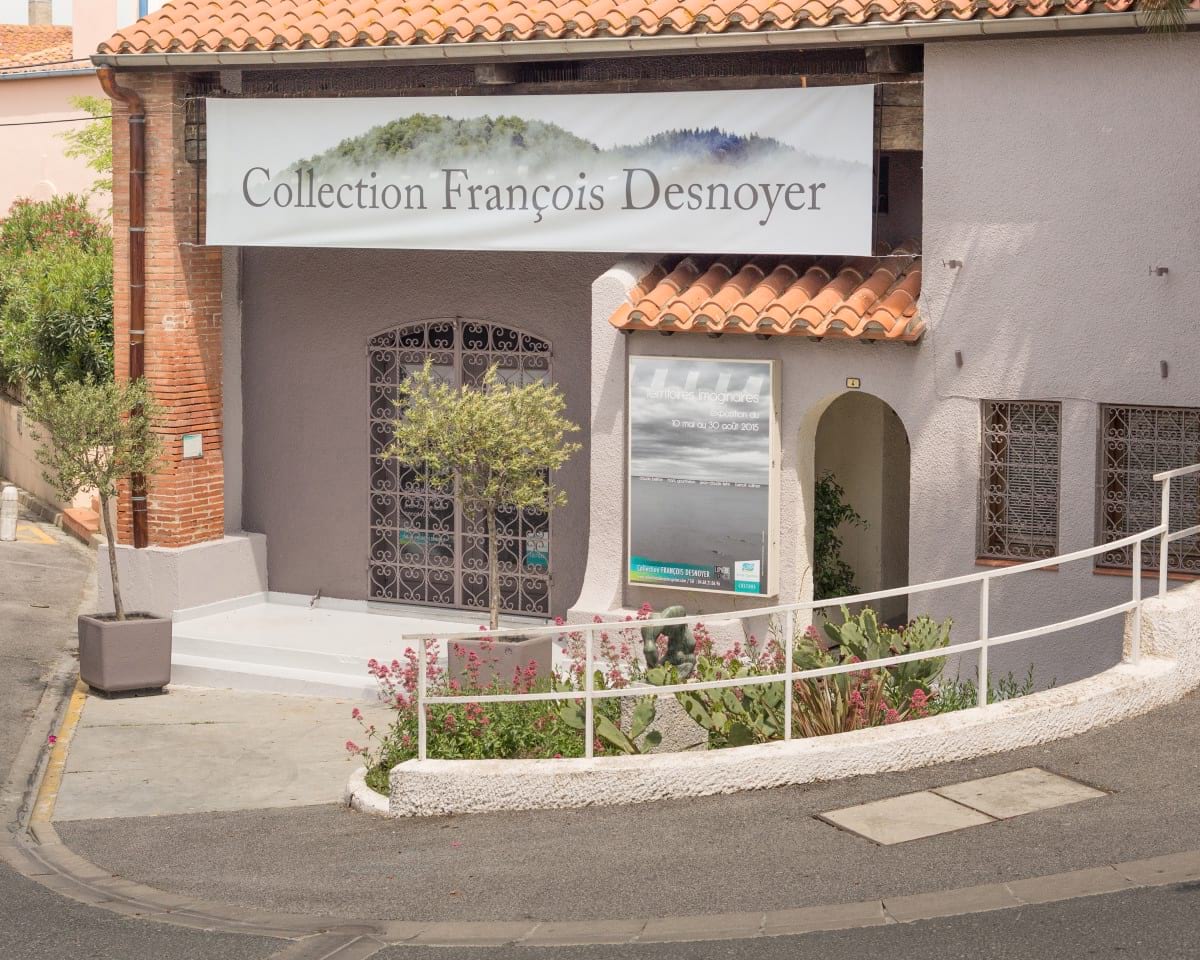
Art lovers may also wish to explore Saint-Cyprien’s cultural side with a visit to the Collection François Desnoyer museum. The town has long attracted artists drawn by the extraordinary Mediterranean light, and the legacy of painter François Desnoyer remains an important part of its cultural heritage.
A Green Escape at the Parc de la Prade
While the resort is best known for its beaches and marina, the Parc de la Prade reveals a greener, quieter side of the town. Spread across six hectares between the village and the coast, the park is a haven of lakes, shady pathways and open spaces where swans, ducks and other birdlife thrive. Popular with walkers, cyclists and families, it offers a welcome break from the bustle of the seafront, particularly during the height of summer.
The park has become something of a community hub. Children enjoy the playgrounds, fitness enthusiasts make use of the exercise equipment, and locals gather for picnics beneath the trees. Dog owners will also appreciate Saint-Cyprien’s dedicated agility area, a secure space where four-legged companions can run, play and socialise.
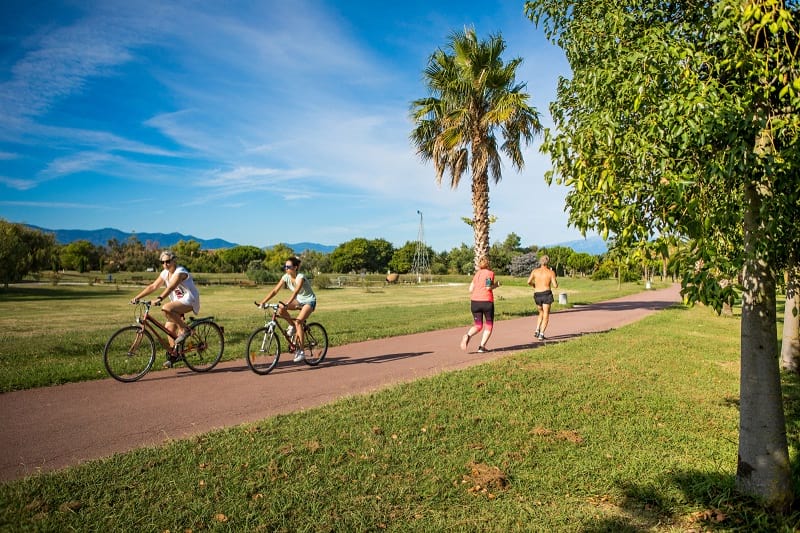
Away from the beach towels and boat masts, life slows down beneath the pines, with glimpses of Canigou often appearing beyond the treetops on clear days.
It is the perfect place to pause before returning to the waterfront for the evening.
Gardens, Nature and Hidden Corners
If the beach has been your morning and history your afternoon, spend the latter part of the day somewhere greener.
The Jardin des Plantes offers a peaceful retreat filled with exotic species, shaded pathways and colourful flowers. It is easy to forget that much of this landscape was once little more than dunes and marshes.
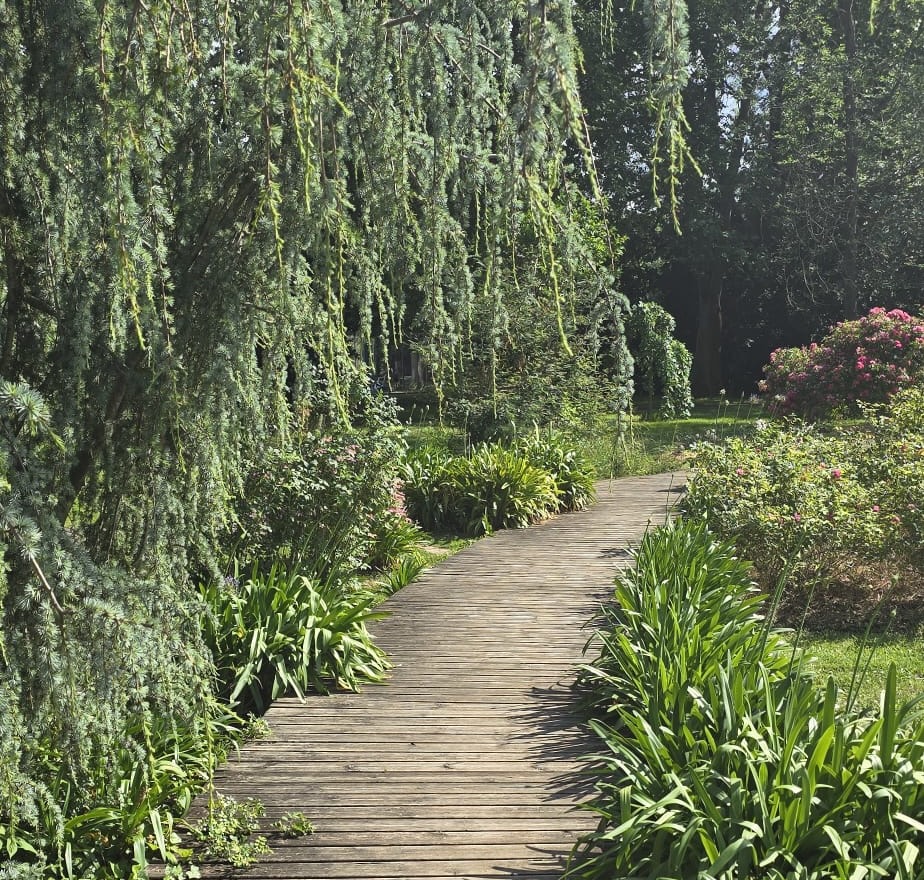

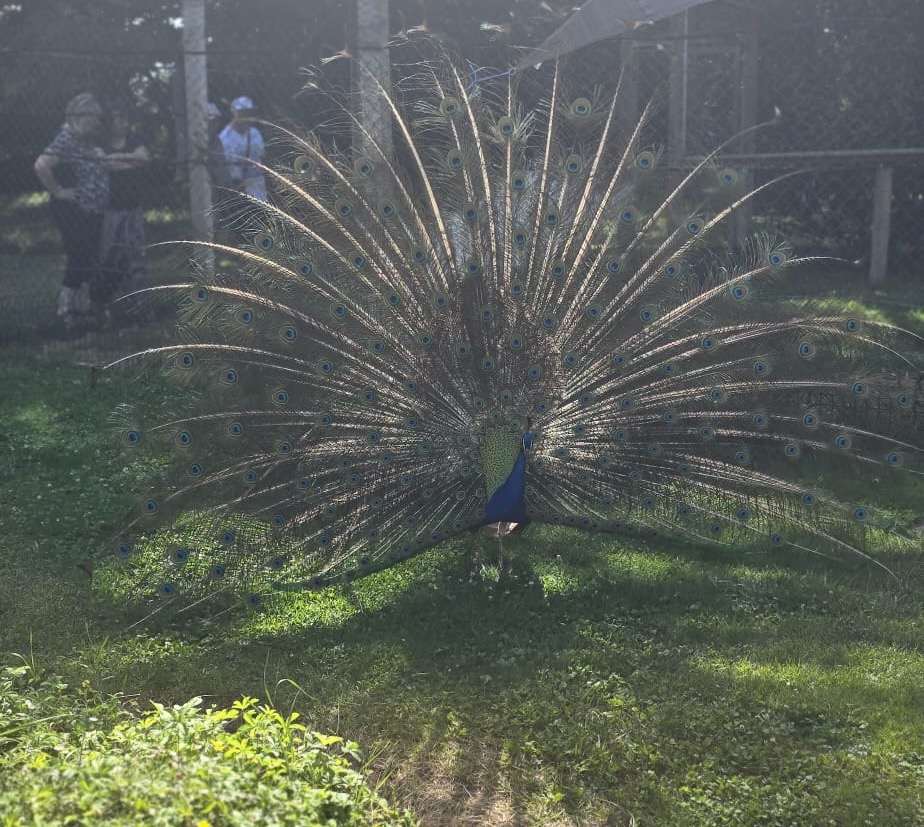
For those who prefer nature with fewer visitors, the area around the lagoon and the nature reserves nearby provides excellent opportunities for birdwatching. Flamingos can often be spotted in the wetlands around the coast, particularly outside the busiest summer months.
Winter visitors know another secret. While summer attracts the crowds, Saint-Cyprien in the quieter seasons reveals a different character altogether. Long walks along near-empty beaches, spectacular mountain views and peaceful sunsets have earned the town a loyal following among year-round residents.
Evening: Sunset on the Catalan Coast
As evening approaches, return to the waterfront.
The setting sun bathes the marina in shades of gold and pink. Families stroll the promenade, cyclists glide past and restaurant terraces begin to fill. The atmosphere is relaxed and unmistakably Mediterranean.
This is perhaps when Saint-Cyprien reveals its true personality. Not simply a beach resort, nor merely a marina, but a place where Mediterranean leisure, Catalan culture and local history come together.
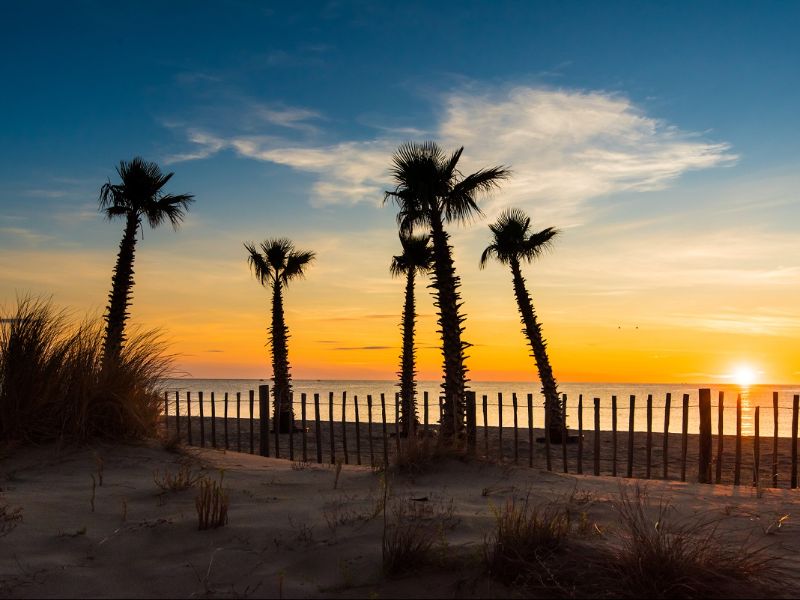
The story of Saint-Cyprien is one of transformation: from marshland to village, from fishing community to modern resort, and from hidden corner of the Roussillon coast to one of the region’s most popular seaside destinations. Yet traces of its past remain everywhere for those willing to look.
And that is what makes a day here so rewarding.
Practical Information
Getting There
Saint-Cyprien is around 20 minutes by car from Perpignan and approximately 30 minutes from Perpignan-Rivesaltes Airport. It is also easily accessible from the A9 motorway.
Parking
There are numerous car parks around the marina and beachfront. Outside the main summer months, parking is generally straightforward and free, but during July and August it is worth arriving early, particularly near the central beach areas. A small tip: keep your registration number handy when using the parking machines. Several require it, and discovering this only when you’ve reached the front of a long summer queue can be unsurprisingly irritating. I speak from experience!
Market Days
The town hosts regular markets throughout the year, with larger markets during the summer season. They are an excellent opportunity to sample local produce, browse regional crafts and experience everyday life beyond the beaches.
Best Time to Visit
Saint-Cyprien is busiest during July and August, but many locals consider spring and early autumn the ideal times to visit. Temperatures remain pleasant, the beaches are quieter and views of Canigou are often at their clearest.
Don’t Miss
- Sunrise along the beach.
- Fresh seafood around the marina.
- A stroll through the historic village.
- Views of Canigou after rain.
- An evening walk around the port as the sun sets over the Mediterranean.
For more info
Contact the Office de Tourisme.[/vc_column_text][/vc_column][/vc_row]