

Maillol and Greece: Major 2026 Exhibition at the Musée Maillol, Banyuls-sur-Mer
26th June - 31st December
Event Navigation
Maillol and Greece: A Mediterranean Journey Through Art and Antiquity
Musée Maillol, Banyuls-sur-Mer
26 June – 31 December 2026
This summer, the Musée Maillol in Banyuls-sur-Mer invites visitors to discover Maillol and Greece, a major exhibition exploring the profound relationship between Aristide Maillol and the art of ancient Greece.
Running from 26 June to 31 December 2026, the exhibition traces the influence of Greek antiquity on one of France’s most celebrated sculptors. Through a rich selection of sculptures, paintings, drawings, prints, photographs and archival documents, visitors are taken on a Mediterranean journey in the footsteps of Maillol himself.
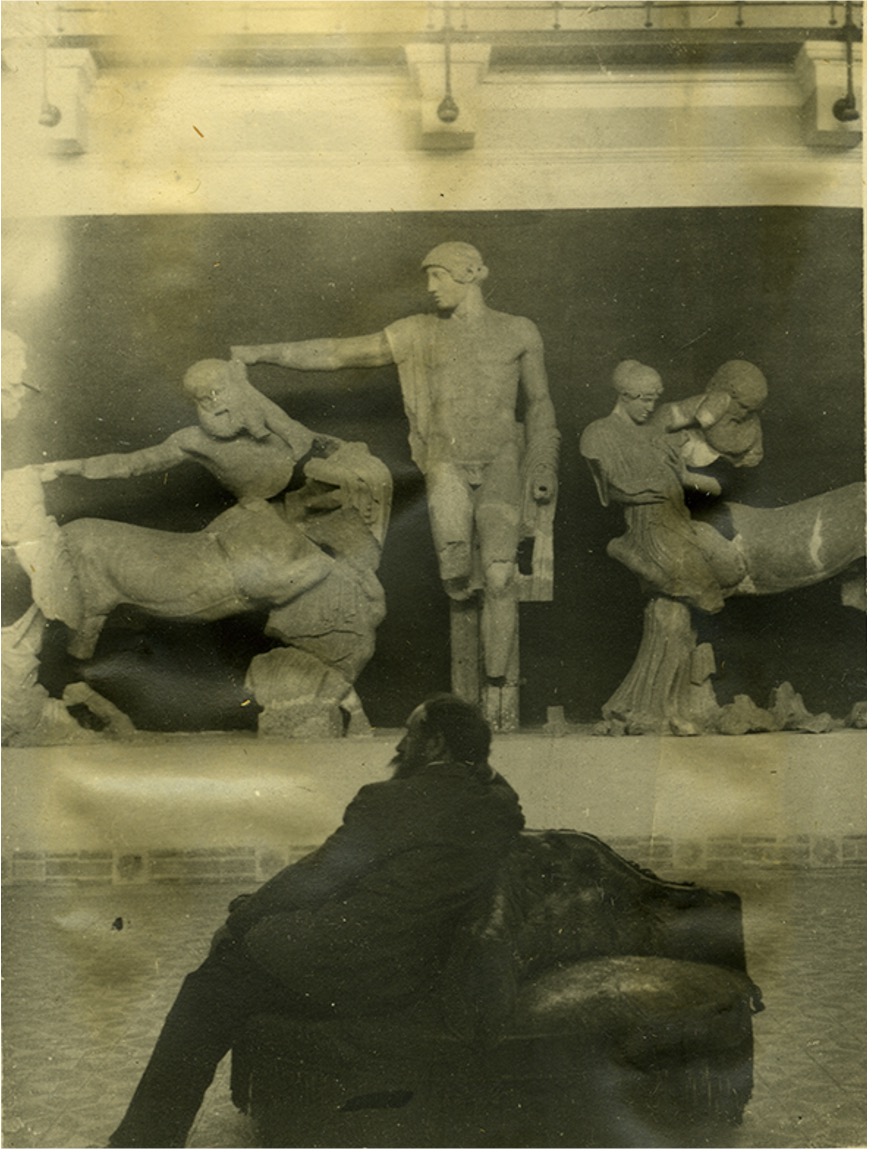
At the heart of the exhibition is the artist’s celebrated trip to Greece in 1908. Accompanied by his close friend and patron, Count Harry Kessler, Maillol travelled through the country between April and June of that year, visiting some of the most important sites of classical civilisation.
Yet the exhibition reveals that Maillol’s fascination with Greece began long before he ever set foot there. During his formative years in Paris, he immersed himself in the study of ancient art through the collections of the Louvre, the École des Beaux-Arts and numerous books and journals devoted to antiquity. By the time he arrived in Greece at the age of 47, his artistic vision had already been deeply shaped by classical ideals.
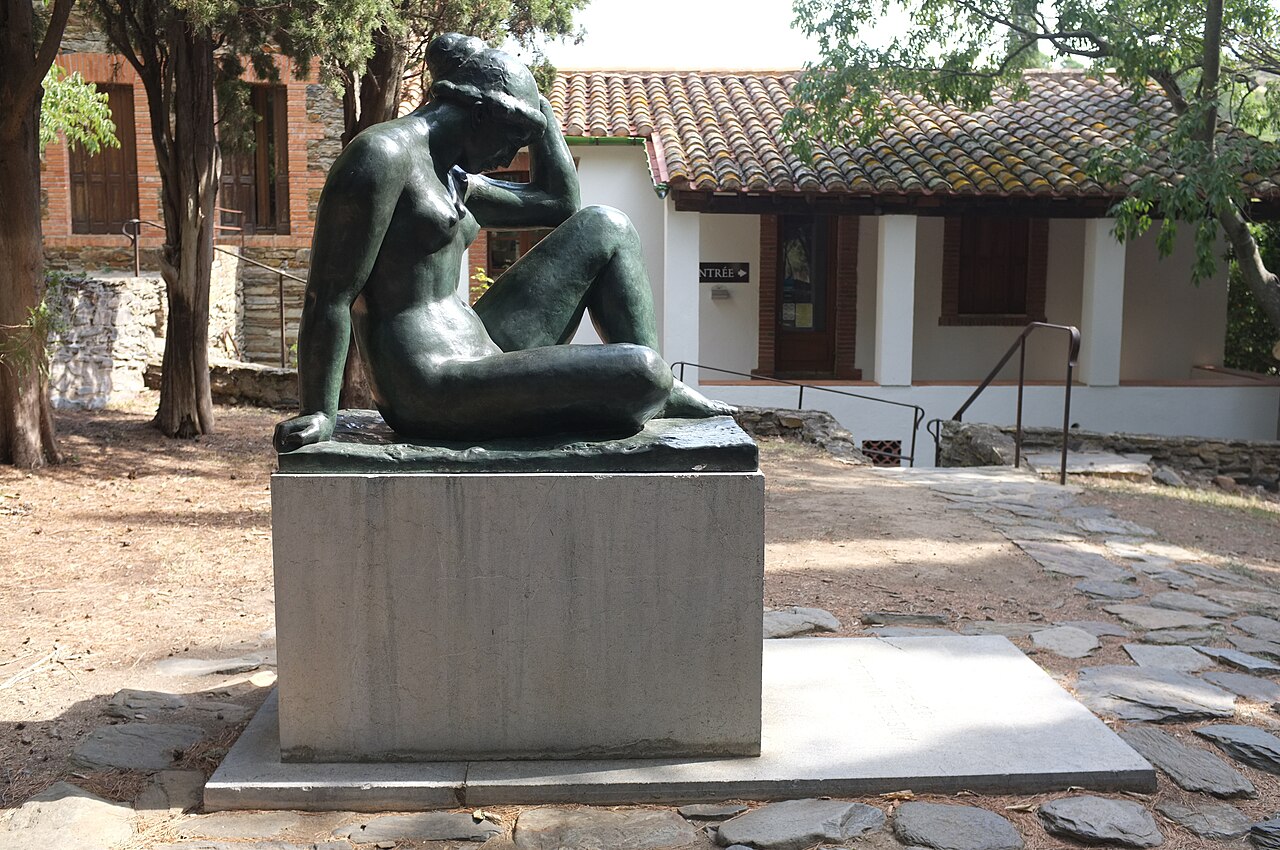
What struck Maillol most during his travels was the remarkable resemblance between Greece and his native Catalonia. He recognised familiar landscapes, vegetation, light and architecture, recalling later that he felt as though he had returned to Banyuls-sur-Mer. The connection was so powerful that he often spent entire days alone in contemplation of the scenery. Significantly, the only travel journal he ever kept was his notebook Notes from a Journey in Greece, excerpts of which are presented in the exhibition.
A key figure in this story is Count Harry Kessler, the cosmopolitan collector, writer and patron who first encountered Maillol in 1904. Their friendship proved decisive. Following an early trip together to London, Maillol discovered the collections of the British Museum, including the famous Parthenon Marbles, an experience he later described as a breakthrough in his understanding of sculpture.
For Maillol, the 1908 journey to Greece was less a revelation than a confirmation. In Greek sculpture he recognised the very principles that guided his own artistic search: clarity of form, balance, simplicity and harmony. He was particularly drawn to the archaic Greek art of the 6th century BC, whose stylised and monumental forms echoed the qualities he admired in ancient Egyptian sculpture.
These ideals are reflected throughout his work. Like many leading artists of his generation—including Cézanne, Gauguin and the Nabis—Maillol sought a return to essential forms and enduring values. The exhibition presents works created both before and after his Greek journey, allowing visitors to trace the continuity of these influences throughout his career.
Maillol and Greece offers not only an insight into the development of a major artist, but also a fascinating exploration of how the ancient world continued to inspire modern creativity. Set against the backdrop of Banyuls-sur-Mer, the town that shaped Maillol’s vision, it promises to be one of the cultural highlights of 2026 in the region.
Visitor Information
Musée Maillol
Vallée de la Roume
66650 Banyuls-sur-Mer
Exhibition dates: 26 June – 31 December 2026
Opening hours: Tuesday to Sunday
10am–12pm and 2pm–6pm
Telephone: +33 (0)4 68 88 57 11
Em

ail: museemaillolbanyuls@orange.fr
For further information, visit the Musée Maillol in Banyuls-sur-Mer and discover the artistic dialogue between the Mediterranean landscapes of Catalonia and the timeless beauty of ancient Greece.