
Article 2
Julien Panchot: The Maquis Leader Who Refused to Break
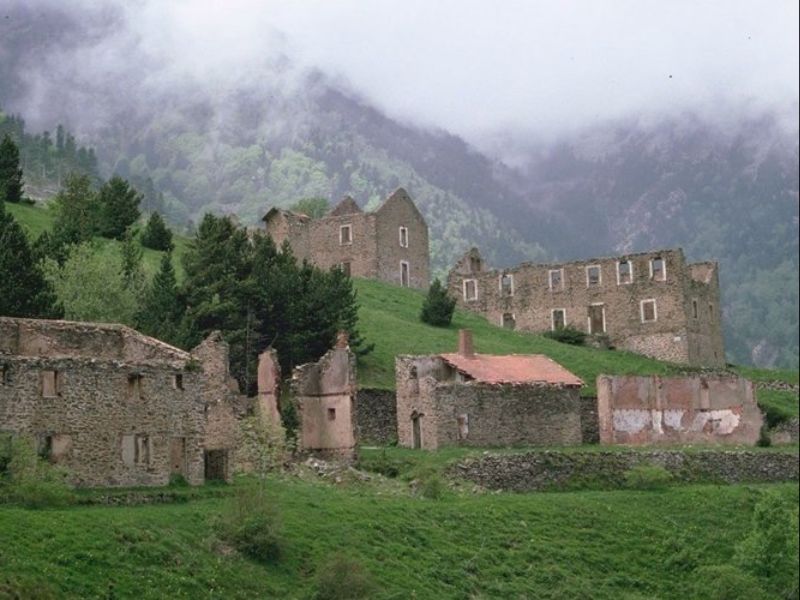
Today, the old mining buildings at La Pinosa stand silent beneath the pines. Roofs have long since disappeared, walls are broken, and rusting machinery lies half-hidden beneath moss and bracken. It is hard to imagine that, for a few extraordinary weeks in the summer of 1944, this abandoned industrial settlement became one of the most important resistance headquarters in the Pyrénées-Orientales.
Here, in these lonely ruins above Valmanya, Julien Panchot and his men prepared for the liberation of France, believing they could not be found.
But someone betrayed them.
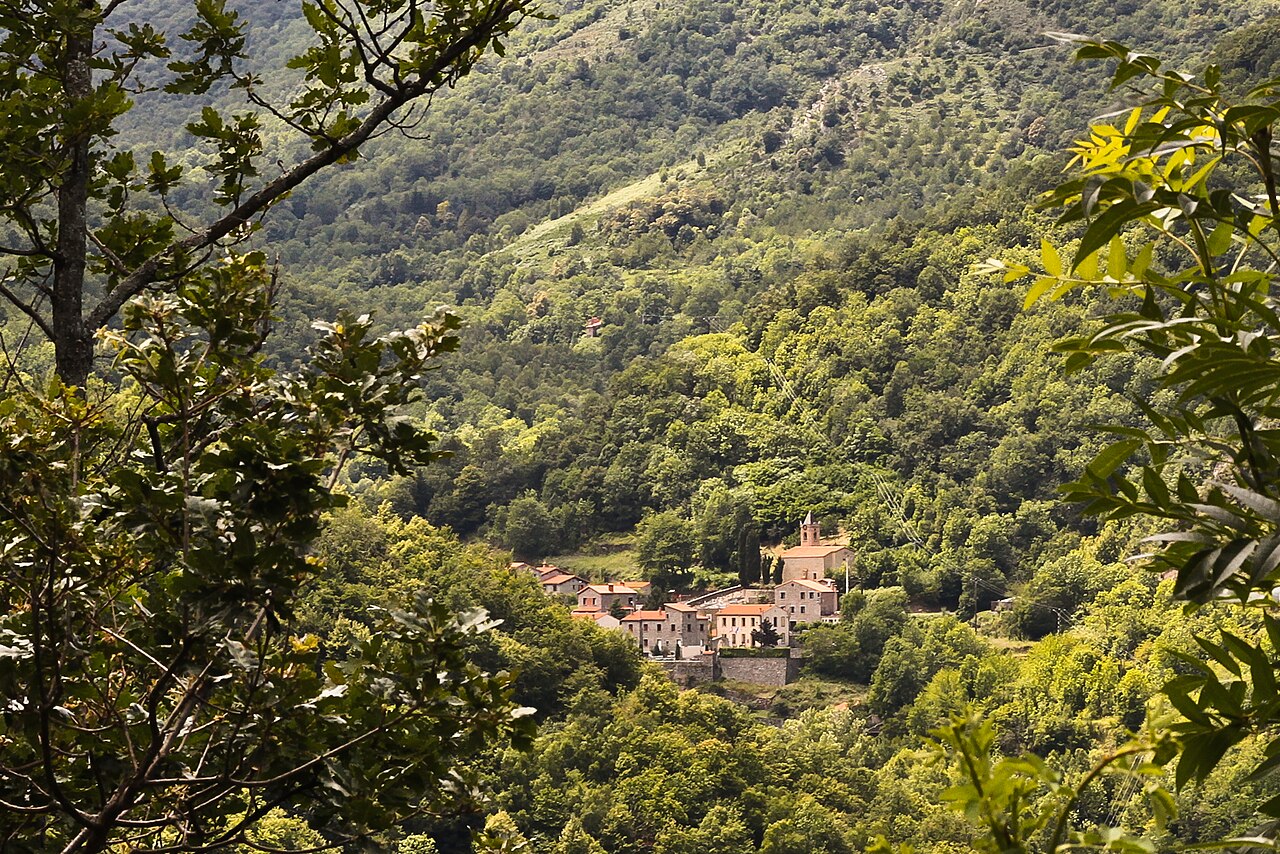
It was early August 1944, and dawn was creeping over the eastern slopes of the Canigou. Beneath the towering pines above Valmanya, men stirred from uneasy sleep. Their blankets were damp with mountain dew. Breakfast, if there was one, would be little more than stale bread and black coffee brewed over a concealed fire.
They had grown used to hunger. They had grown used to cold. They had grown used to living with death.
For months they had hidden in these mountains, watching German patrols in the valleys below and waiting for the moment France would finally rise again.
Their commander was Julien Panchot. Within hours, he would be dead.
The story of Panchot is one of the defining episodes of the Occupation in the Pyrénées-Orientales. Yet outside the department, his name is little known. Here, however, beneath the shadow of the Canigou, he remains a symbol of courage, sacrifice and unwavering loyalty.
An Ordinary Man
Julien Panchot was not born to command armies. He was born in 1902 into an ordinary Catalan family in the Pyrénées-Orientales. Before the war he lived much like thousands of others in the region, working, raising a family and becoming part of the fabric of local life. Nothing suggested that history would one day ask extraordinary things of him.
The collapse of France in June 1940 changed everything.
The speed of the German victory shocked the nation. Marshal Philippe Pétain accepted defeat, while the new Vichy government urged French citizens to cooperate with their conquerors.
Some accepted the new order. Some profited from it. Others quietly looked away. Panchot chose another path.
Becoming a Resistance Leader
Resistance did not begin with dramatic acts of sabotage or gun battles.
It began with whispered conversations., secret meetings, hidden newspapers, passing information and helping those who were hunted.
As German control tightened, the Resistance slowly expanded. By 1943, increasing numbers of young Frenchmen were refusing compulsory labour service in Germany. Many escaped into the forests and mountains, where they formed armed groups known as the maquis.
The rugged country surrounding the Canigou became an ideal refuge. Dense forests concealed camps, ancient shepherds’ paths offered escape routes and local farmers quietly supplied food despite the terrible risks involved.
Among these growing resistance groups, Panchot emerged as a natural leader.
He possessed none of the arrogance often associated with military command. Those who knew him described a calm, practical man who inspired confidence rather than demanding obedience.
Leadership came naturally because it was earned.
DID YOU KNOW?
The word maquis originally referred to the dense Mediterranean scrubland in Corsica where outlaws could hide. During the Second World War, it became the name for resistance fighters who lived and operated from remote forests and mountains across France.
 Life Above the Clouds
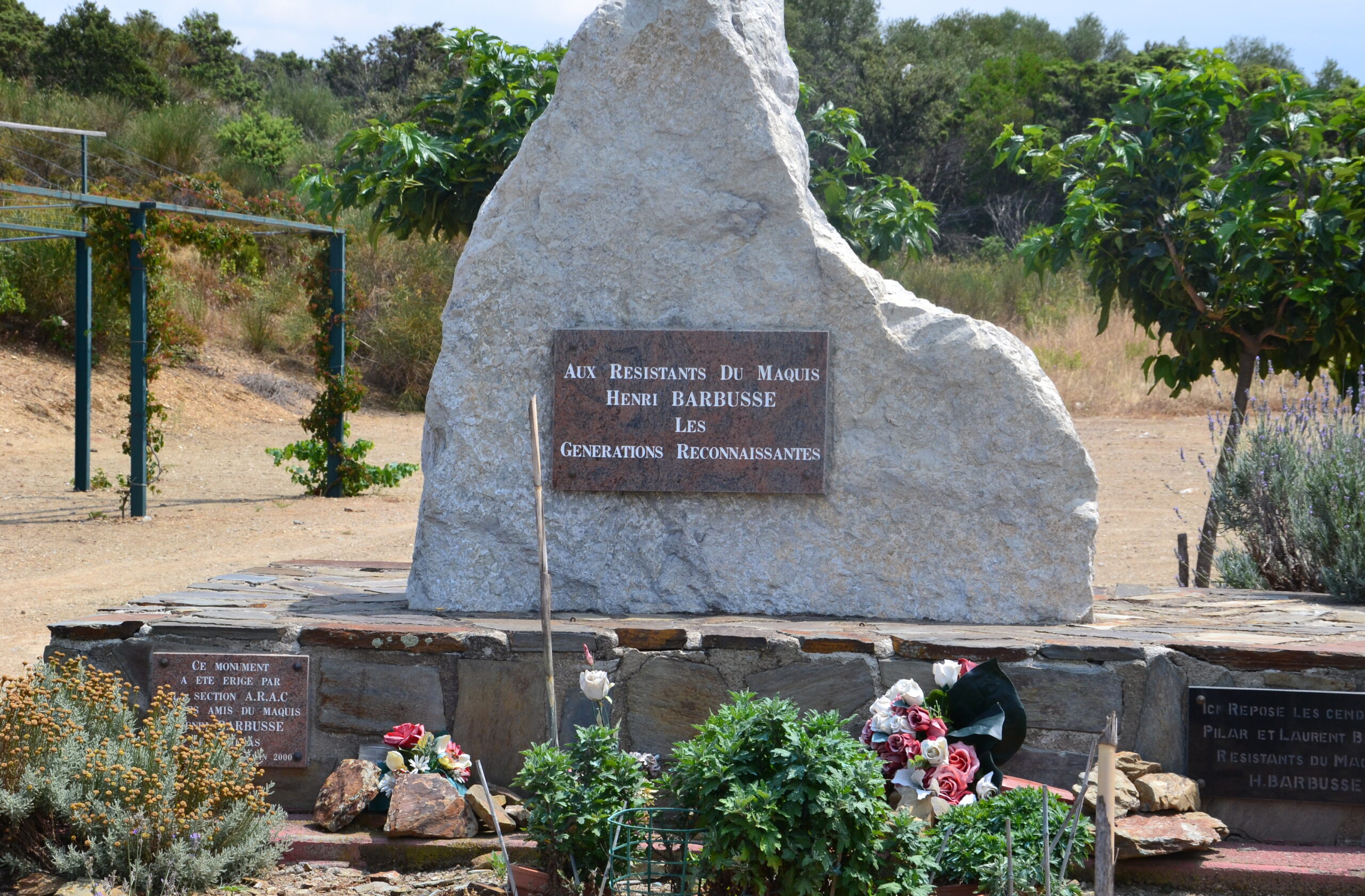
The Maquis Henri-Barbusse, named in honour of one of France’s most celebrated writers and a passionate anti-war and anti-fascist intellectual, established its base high above Valmanya.
Life there bore little resemblance to romantic images of the Resistance. The men were constantly cold, food was scarce, and weapons were precious. A rifle might have only a handful of cartridges. Boots wore out on rocky mountain tracks. Every campfire risked discovery. Every stranger might be an informer.
DID YOU KNOW?
Henri-Barbusse, (1873–1935), author of the acclaimed First World War novel Le Feu (Under Fire) was a veteran of the trenches and became one of France’s best-known anti-war and anti-fascist voices. By adopting his name, the maquis signalled that they were fighting not only to liberate France, but also to defend the ideals of freedom against fascism.
.Yet despite the hardship, remarkable friendships developed.
Many of the fighters were little more than boys. Others were experienced soldiers. Some were refugees. Others had simply decided that enough was enough.
They became brothers.
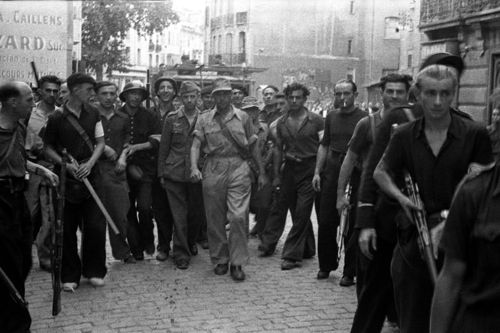
By the summer of 1944, the Allied landings in Normandy had transformed the atmosphere. The BBC’s coded messages crackled over hidden wireless sets. German defeat suddenly seemed possible. The maquis began preparing to support the liberation of southern France.
No one imagined how little time remained.
A Fatal Betrayal
German intelligence knew resistance activity around Valmanya had increased dramatically. Destroying the maquis became a priority.
The breakthrough came through information supplied by collaborators working with the German authorities. Among them was Nessim Eskenazi, whose role in the destruction of the Valmanya maquis was explored in the previous article in this series.
Whether by infiltration, interrogation or careful observation, enough intelligence reached German commanders to identify the approximate location of Panchot’s camp.
It was all they needed.
The Attack
At first light, German troops began climbing towards the resistance positions.
The maquisards were heavily outnumbered.
Gunfire shattered the morning silence. The forests that had protected them for months suddenly became a battlefield.
Some resistance fighters escaped into the mountains while others fought desperate delaying actions.
Julien Panchot remained with his men.
Accounts differ in detail, but all agree that he was eventually captured during the fighting.
The Germans immediately recognised they had secured an important prisoner.
Silence
Panchot possessed knowledge that could destroy the Resistance across the department.
He knew names, safe houses, weapons caches, radio operators., couriers. In fact, entire escape networks.
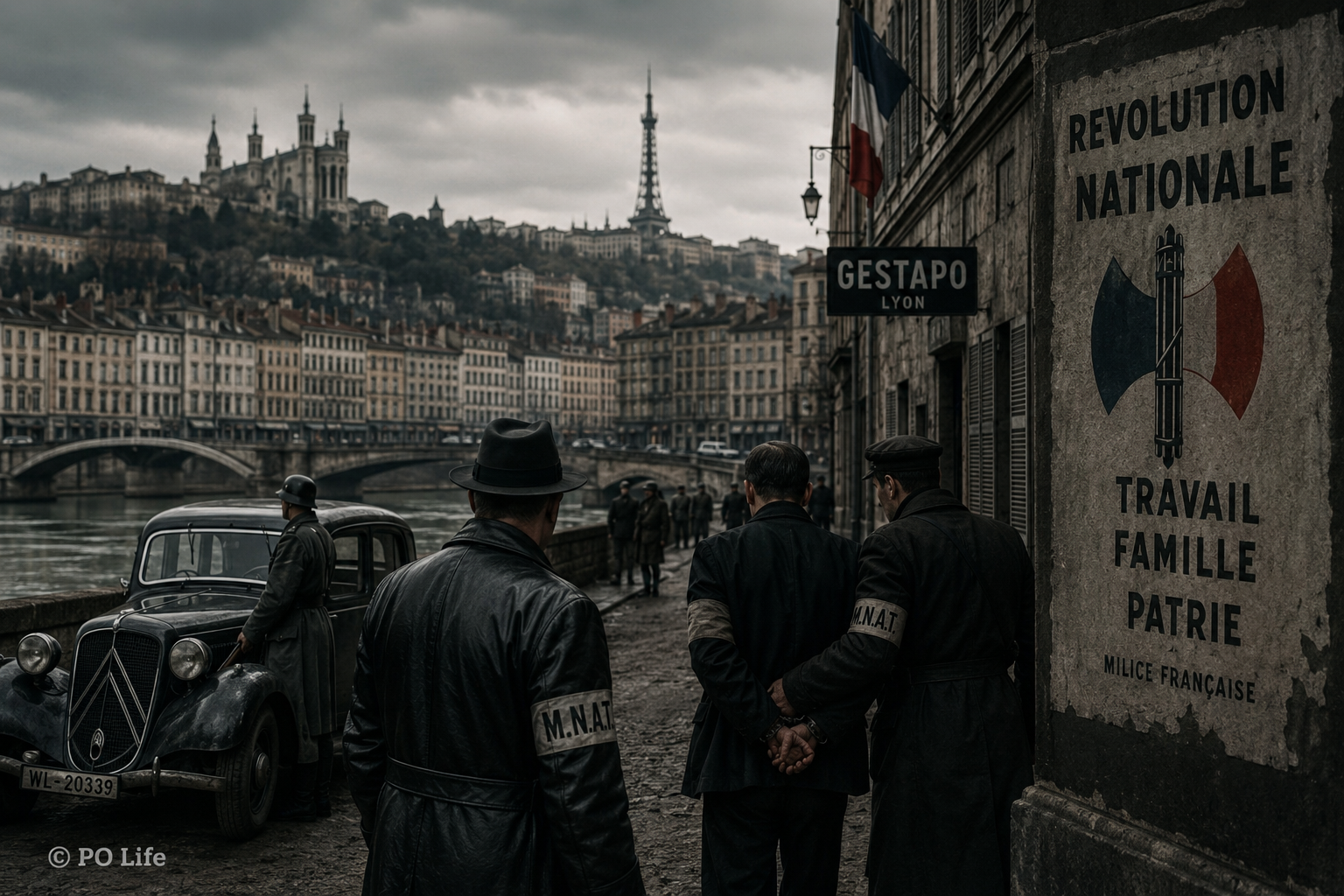
The Germans began interrogating him. When questions failed, torture followed to make him talk.
History records that he did not.
The methods employed against Resistance prisoners during the Occupation were brutal beyond imagination. Yet throughout his interrogation, Panchot refused to betray his comrades.
Every unanswered question protected another family. Every silence saved another life.
It is impossible to know precisely how many resistance fighters escaped arrest because of his refusal to speak.
What is certain is that none of those who survived ever forgot what he endured.
Death
Julien Panchot was murdered by German forces in the first days of August 1944.
He was forty-two years old.
France would be liberated only weeks later.
Like thousands of resistance fighters across occupied Europe, he never witnessed the victory for which he had sacrificed everything.
The Burning of Valmanya
But Panchot’s death was only the beginning. German troops descended upon Valmanya, convinced that villagers had assisted the maquis. Homes were looted, buildings were burned, families fled into the surrounding countryside carrying little more than what they could hold in their hands.
By the time the soldiers departed, much of the village lay in ruins.
Today it is difficult to stand in peaceful Valmanya and imagine the devastation that occurred there in August 1944.
But memory survives thriugh rebuilt houses, memorials and annual ceremonies.
Together they preserve not only the story of a destroyed village but also of the men who fought to defend it.
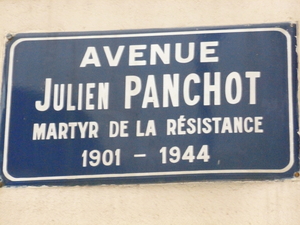
Legacy
After the Liberation, France honoured Julien Panchot for his service to the Resistance. His name appears on memorials throughout the Pyrénées-Orientales.
Schools have taught his story. veterans have recounted his courage and each year, ceremonies in Valmanya remind new generations of the price paid for freedom.
History often celebrates generals and presidents yet nations are equally shaped by ordinary citizens who find themselves called to extraordinary acts.
Julien Panchot never sought fame. He simply refused to surrender his principles when everything around him demanded compromise.
That quiet courage remains his greatest monument.
Stand today in the square at Valmanya and you will hear little more than birdsong and the murmur of the mountain stream. Children play where soldiers once marched. Walkers set off beneath the same towering forests that once concealed the maquis.
The village has healed but the scars remain.
And somewhere above the rooftops, beneath the great silhouette of the Canigou, history still whispers the name of Julien Panchot.
Visit the History
The Mines de la Pinosa
Hidden high above Valmanya, the abandoned iron mines of La Pinosa were transformed into the headquarters of the Maquis Henri-Barbusse in July 1944. Today, the atmospheric ruins can still be explored on foot as part of the historic mining landscape of the Canigou. Protected as a Historic Monument, the site offers a powerful reminder of both the region’s industrial past and its wartime resistance.
Articles In This series
Article 1
The Traitor of Valmanya: The Strange and Tragic Story of Nessim Eskenazi
Article 2
Julien Panchot: The Maquis Leader Who Refused to Break
The story of the Resistance commander captured before the destruction of Valmanya.
Article 3
Valmanya 1944: The Village That Burned
A dramatic reconstruction of the attack on the village and its aftermath.
Article 4
The Milice in Perpignan
Who collaborated locally, how the organisation operated, and how it was dismantled after Liberation.
Article 5
Henri Treyeran: The Most Hated Man in Perpignan
A profile of the Milice leader assassinated by Resistance fighters.
Article 6
Escape Across the Pyrenees
The guides, smugglers, Allied airmen, Jews and resistance fighters who crossed into Spain.
Article 7
The Women of the Resistance in the Pyrénées-Orientales
Too often overlooked
Article 8
The Liberation of Perpignan
August 1944 and the collapse of German authority.
Article 9
Justice and Revenge
The trials, executions, and purges that followed Liberation.
Article 10
The Last Witnesses
How the Occupation is remembered today in the department.