
Shadows on the Canigou; Article 9
Shadows on the Canigou 9: Justice and Revenge
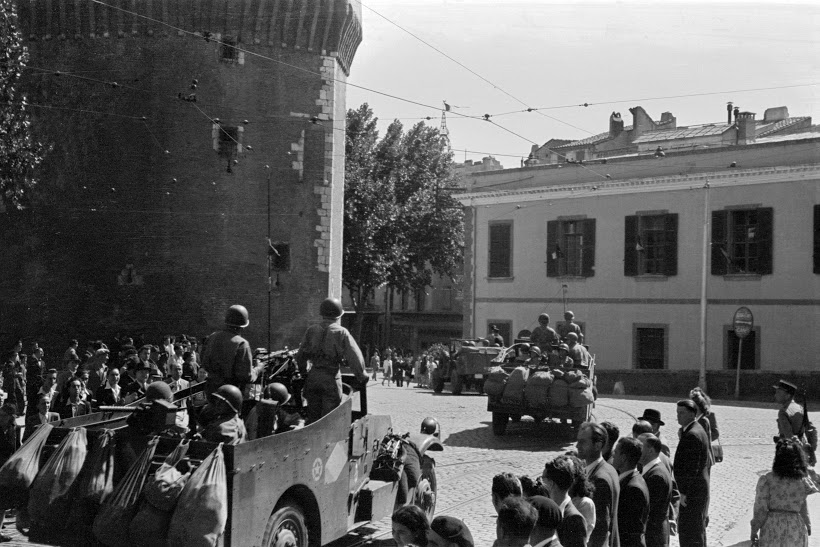
The German were gone. The swastikas had been torn down from the buildings of Perpignan, replaced by the tricolour. Resistance members who had worked in secret through four years of Vichy rule and nearly two years of German occupation emerged from the shadows. The hunted became the hunters.
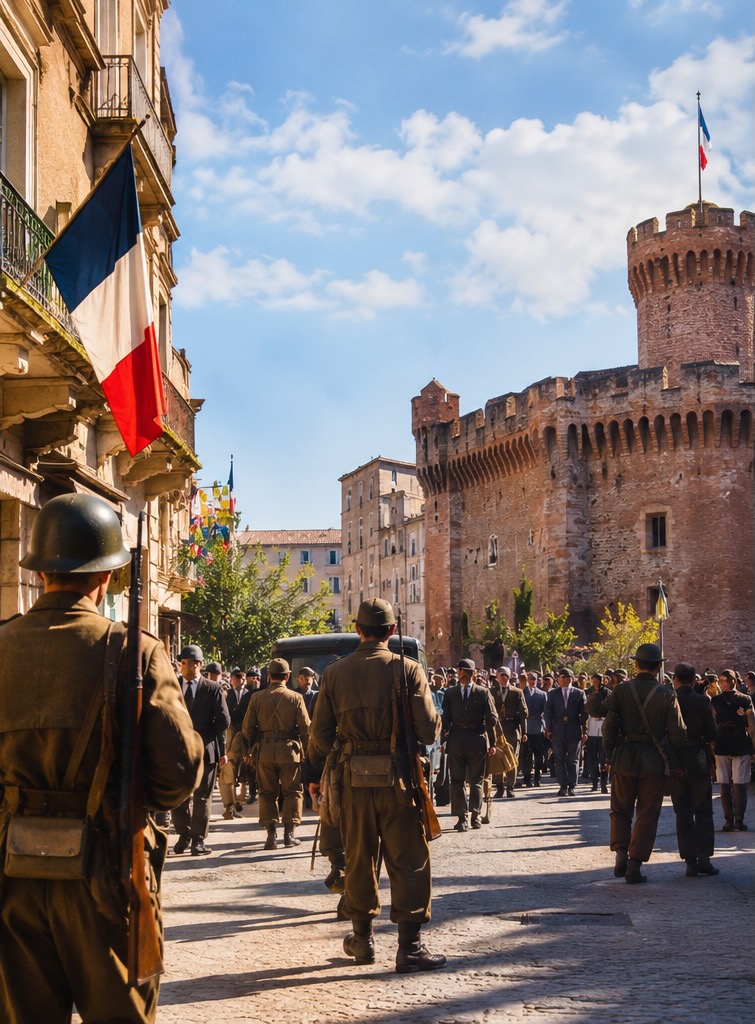
Because liberation had not brought an end to violence. It had quite simply changed its direction.
For four years there had been denunciations, arrests, torture, executions and deportations. Now the men and women accused of having helped the Germans, who had served Vichy, belonged to the Milice, informed on Resistance fighters or profited from the Occupation found themselves hunted in turn. It was payback time!
And in Perpignan, like everywhere else in liberated France, the very idea of justice was about to be tested.
The lists
The Resistance had not simply waited for liberation.
During the final days of the Occupation, its leaders had taken possession of documents abandoned by the German and French security services. There were names, reports and letters of denunciation. There were also dossiers concerning the Milice and others suspected of collaboration, which were all entered into evidence…and turned into lists.
In fact, the Germans’ almost obsessive bureaucracy had left behind a paper trail of arrests, interrogations, denunciations and informers—a grim archive that now became a resource for those seeking to identify collaborators.
The Comité Départemental de Libération, which had taken over the prefecture after the liberation of Perpignan, understood that something had to be done quickly. The population was demanding punishment. Former résistants had their own memories of those who had betrayed them. Families remembered arrests and disappearances. The wounds left by the Occupation were still wide open, inflamed gashes that needed treating.
Camille Fourquet and the new authorities therefore faced a difficult problem. If suspected collaborators were left at liberty, there was a real danger of revenge being carried out privately—of vigilantism taking the place of justice. On the other hand, if they were arrested indiscriminately, the new Republic risked replacing one form of arbitrary justice with another.
The scale of the problem was extraordinary.
According to historian Patricia Boyer, the number of people arrested in the Pyrénées-Orientales during the fortnight following the German withdrawal exceeded a thousand—far more than the fewer than 300 arrests initially envisaged by the Resistance.
The Citadel
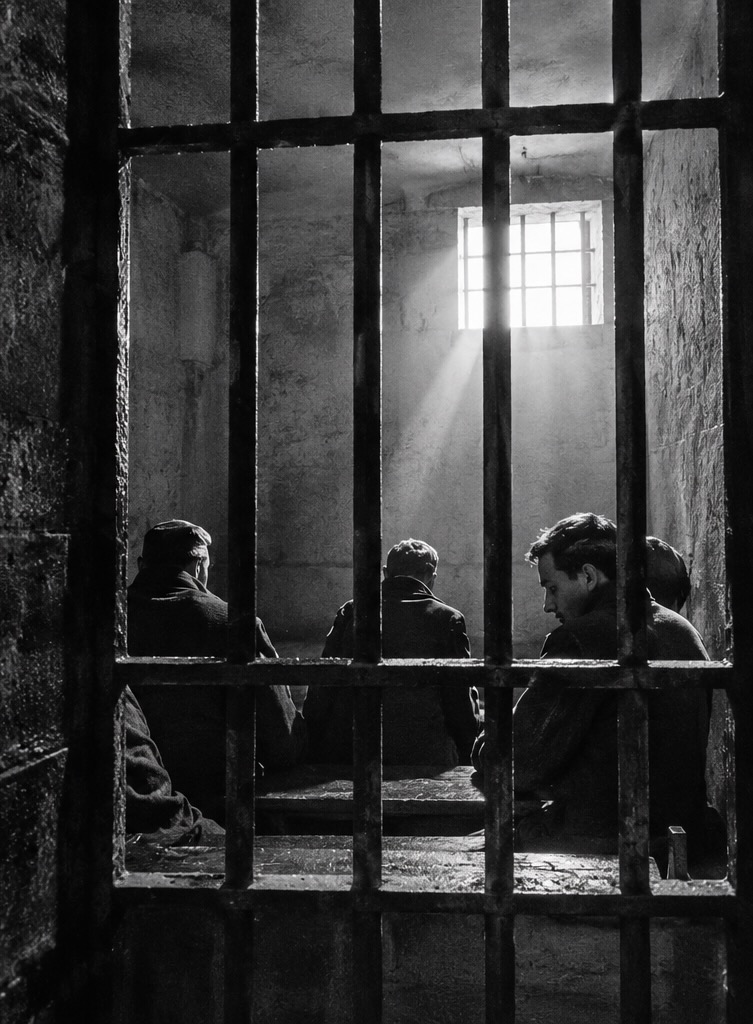
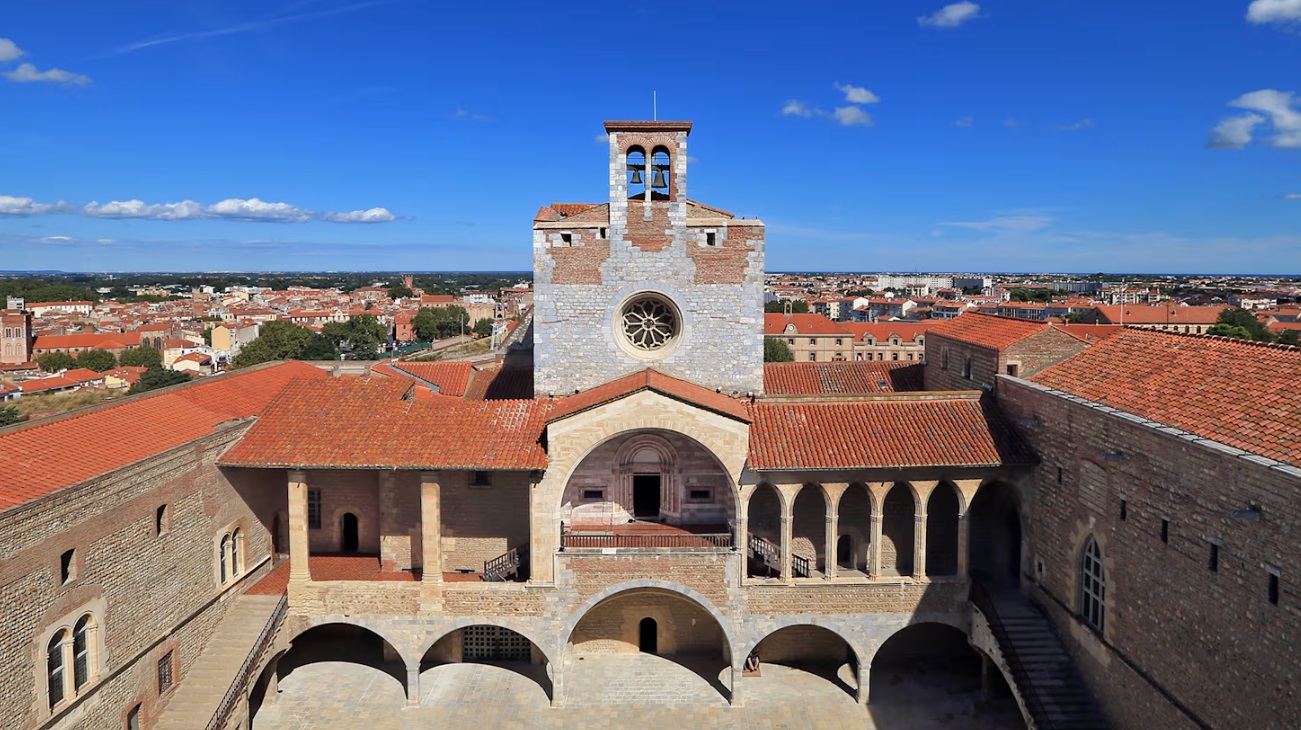
Once part of the extraordinary medieval Palace of the Kings of Majorca, the Citadel became a place of detention, used by the German security police, the Sipo-SD, including the Gestapo, as a prison for opponents of the Occupation. Prisoners were often interrogated elsewhere in the city and then transferred to the Citadel when they were formally imprisoned. Many were ultimately destined for execution or deportation.

Philip II of Spain created the great six-bastioned citadel, and after the French annexation of Roussillon, Vauban substantially strengthened the defences. By the 20th century it was still a military establishment, with barracks and other military buildings surrounding the medieval palace, perfect for a prison reputed to be frigtening and brutal.
Gilbert Brutus was tortured in a cell at the citadel and died from his injuries in March 1944.
When the Germans left Perpignan on 19 August., the FFI and the new authorities took control of it and began using it to hold collaborators, Miliciens and alleged informers arrested during the épuration.
The prisoners changed, but the prison did not. The same walls that had confined Resistance fighters under the Germans now held the men and women accused of having helped them.
The Palace was eventually acquired by the département around 1958 and is now a major historic monument but it has retained its military connection and much of it is not open to the public.
The first justice
There is an understandable temptation to call what followed simply revenge but maybe it was not quite that simple.
The provisional authorities wanted the purge—l’épuration—to be carried out through institutions. France’s restored Republican government had already established the legal framework for dealing with collaboration but the machinery of justice could not be rebuilt overnight.
In Perpignan, an FFI court martial began operating before the more regular Court of Justice took over.
Between 8 and 15 September, 36 defendants were brought before it: 28 members of the Milice, four French agents who had worked for the German police, and four suspected informers. Sixteen were sentenced to death. Twelve received hard-labour sentences, four were imprisoned, two cases were referred elsewhere and two defendants were acquitted.
Sixteen deaths….but these were not ordinary criminal proceedings conducted in a settled peacetime society. France was still at war. German troops had only just withdrawn. The Resistance had only just emerged from illegality. Memories of torture, executions and deportation were immediate rather than historical. And there were people in Perpignan who wanted the men they blamed for those crimes dead.
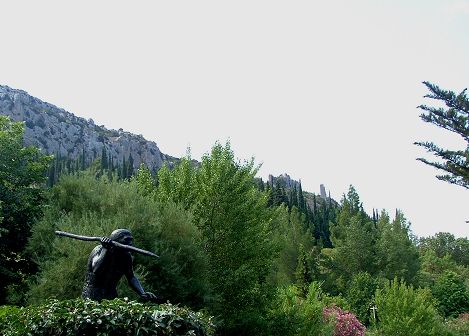
Tautavel
One of the most disturbing cases concerned a village priest.
In Tautavel, sixteen young men had been arrested by the Milice in August. The arrests were connected to information given to the authorities, and the local 65-year-old curé (parish priest), Abbé Niort, was accused of having denounced members of the Resistance.
Amid the violent retaliations and purges, he was accused, subjected to extreme torture, and killed by communist-leaning resistance elements or local factions tied to the turbulent post-occupation purge (épuration).
His case became part of the much larger argument about the difference between justice and vengeance.
Historical consensus suggests that Abbé Niort did not maliciously spy or inform, but rather spoke imprudently or was manipulated into revealing information during casual conversations with a local pharmacist and militiaman named Devy, who sucessfully shifted the blame onto the elderly priest to reduce his own sentence. Lack of evidence of wrongdoing by Niort and highly doubtful procedures led to the judgement later being officially overturned and annulled.
What is beyond dispute is that the case became emblematic of the passions surrounding the first épuration.
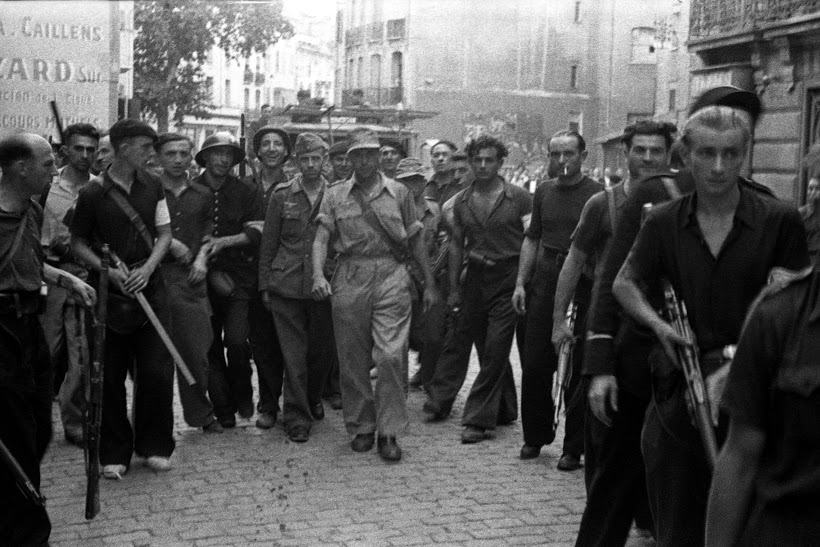
André Cutzach
Not everyone received the death sentence.
On 15 September, André Cutzach, a former head of the Milice in the Pyrénées-Orientales who had resigned from the organisation, was sentenced to hard labour for life. His sentence was revised in January 1945.
The restored state was attempting, however imperfectly, to distinguish between different categories of collaboration, different degrees of responsibility and different punishments. Some defendants were imprisoned. Some were sentenced to forced labour. Some were deprived of civil rights. Some were acquitted.
That distinction would become increasingly important as the initial fury of liberation began to subside.
The danger of the crowd
For the authorities, the greatest danger was not merely that collaborators might escape. It was that the population might decide that the courts were unnecessary. Nor were those authorities untouched by the passions of liberation.
Some had lost friends, colleagues and fellow résistants during the Occupation; they had lived through the arrests, executions and deportations themselves. They too wanted the guilty punished. The challenge was to ensure that the desire for justice—and, inevitably, the desire for revenge—did not become vigilantism.
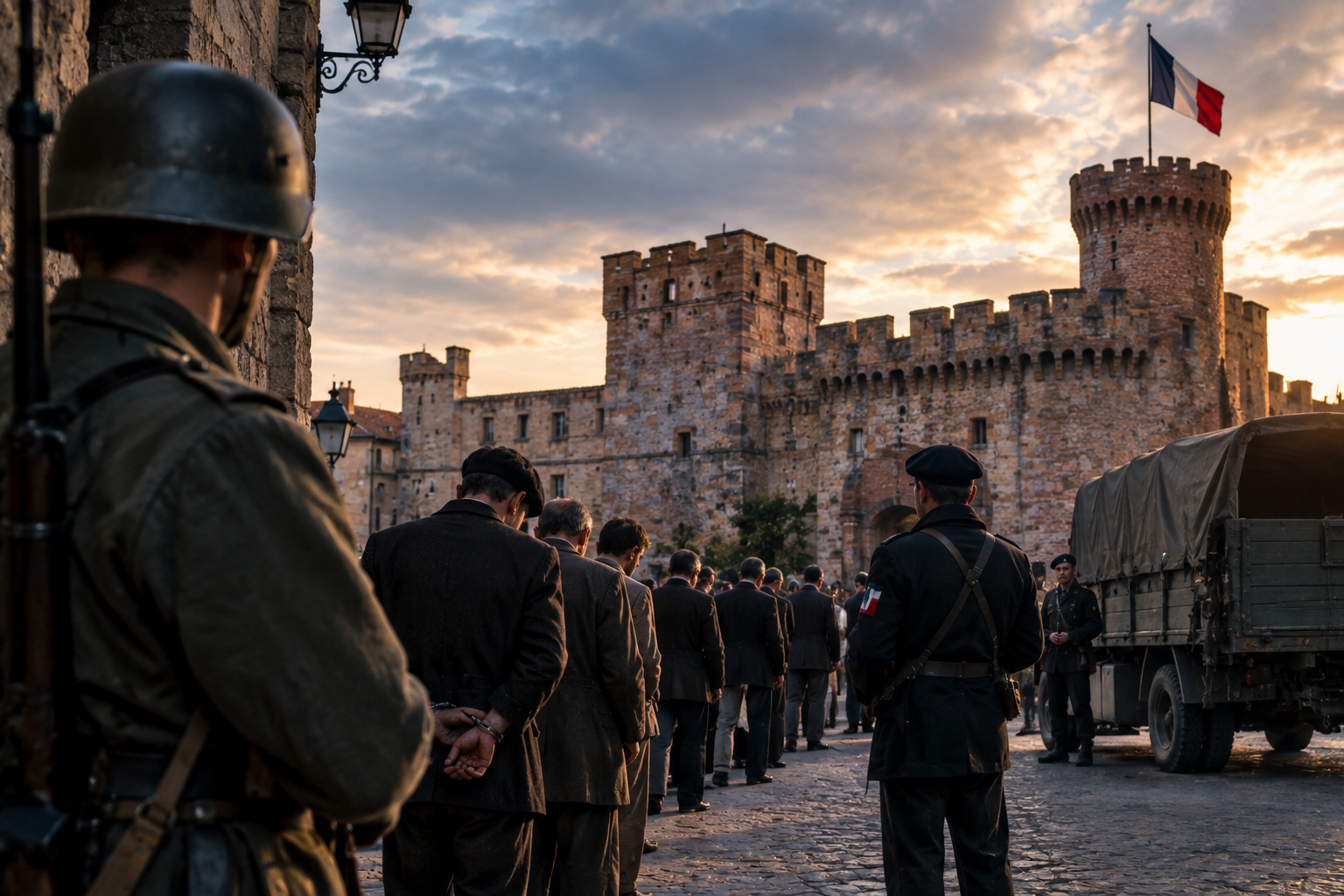
The new authorities sometimes made large numbers of arrests precisely because they wanted to prevent people being killed outside the law.
Jean Latscha, the prefect of the Pyrénées-Orientales, argued for extensive arrests at the beginning of the liberation partly because the authorities feared what might happen if suspects remained exposed to popular vengeance. Prison could be a protection as well as a punishment.
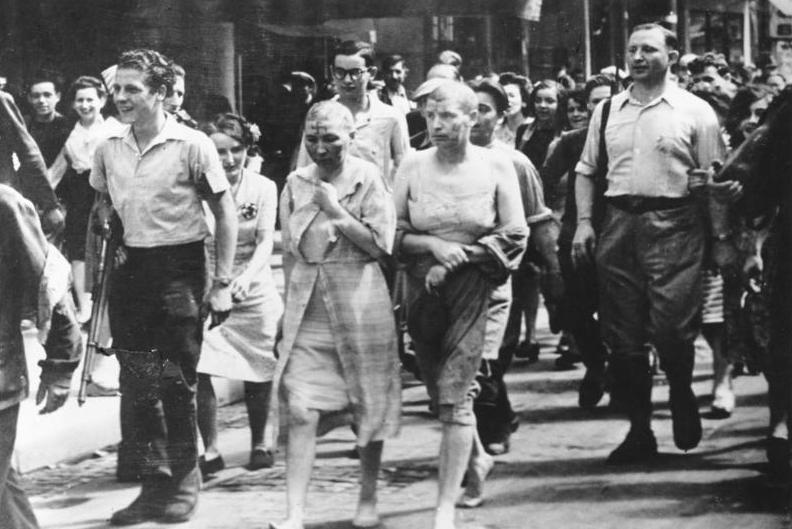
There was another, particularly ugly, side to the épuration.
Women accused of collaboration could be publicly humiliated. Some had their hair forcibly shaved. Others were paraded through the streets. In the Pyrénées-Orientales, the punishment of women accused of having had relationships with German soldiers, known as horizontal collaboration, was sometimes disproportionate to the treatment of men whose collaboration had been political, military or economic.
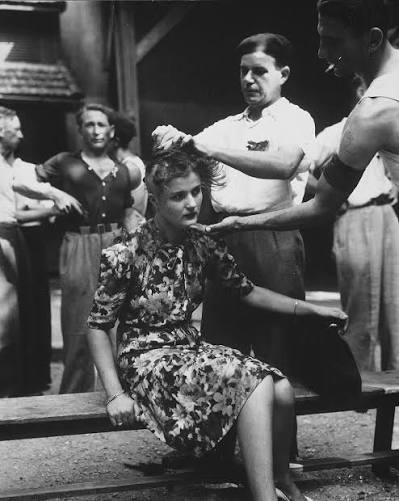
Not all collaboration was treated equally. And not all shame was distributed equally.
The humiliation of women could become a public spectacle, The liberation of France did not suddenly make French society more tolerant.
From revenge to law
The turning point came when the authorities began to impose more regular procedures to try and move the country from the emotional immediacy of liberation and the need for revenge, back towards the rule of law, and reclaim the business of punishment from the Resistance.
There was something almost surreal about the contradiction that was Perpignan in those weeks; a town celebrating liberation at the same time as looking for justice or revenge.
And the danger was that justice, once demanded passionately enough, could become indistinguishable from revenge.
The shadow of the Canigou
In the shadow of the Canigou, the Germans had arrived, men and women had disappeared, villages had burnt and résistants and civilians had died. The Germans departed leaving behind a changed, charged people and a final question: Who had the right to punish those who had betrayed France?
For the moment, the answer was still being decided in prison cells, courtrooms and firing squads.
Articles In This series
Article 1
The Traitor of Valmanya: The Strange and Tragic Story of Nessim Eskenazi
Article 2
Julien Panchot: The Maquis Leader Who Refused to Break
The story of the Resistance commander captured before the destruction of Valmanya.
Article 3
Valmanya 1944: The Village That Burned
A dramatic reconstruction of the attack on the village and its aftermath.
Article 4 Part 1
The Milice in Perpignan
Who collaborated locally, how the organisation operated, and how it was dismantled after Liberation.
The Milice in Perpignan Part 2
Who collaborated locally, how the organisation operated, and how it was dismantled after Liberation.
Article 5
Henri Treyeran: The Most Hated Man in Perpignan
A profile of the Milice leader assassinated by Resistance fighters.
Article 6
Escape Across the Pyrenees
The guides, smugglers, Allied airmen, Jews and resistance fighters who crossed into Spain.
Article 7
The Women of the Resistance in the Pyrénées-Orientales
Too often overlooked
Article 8
The Liberation of Perpignan
August 1944 and the collapse of German authority.
Article 9
Justice and Revenge
The trials, executions, and purges that followed Liberation.
Article 10
The Last Witnesses
How the Occupation is remembered today in the department.