
Shadows on the Canigou; Article 7
Women of the Resistance in the Pyrénées-Orientales
The women who carried the messages, hid the fugitives and paid the price
The world has always underestimated women.
When General de Gaulle published a list of 1,038 resistance heroes who contributed to the liberation of France, only six were women. In fact, there were many more courageous ‘résistantes’ involved in the clandestine ‘maquis’, often providing crucial intelligence, and participating in sabotage operations and armed combat. If caught, the punishment for a woman was no less severe than for a man: beatings, torture and execution.
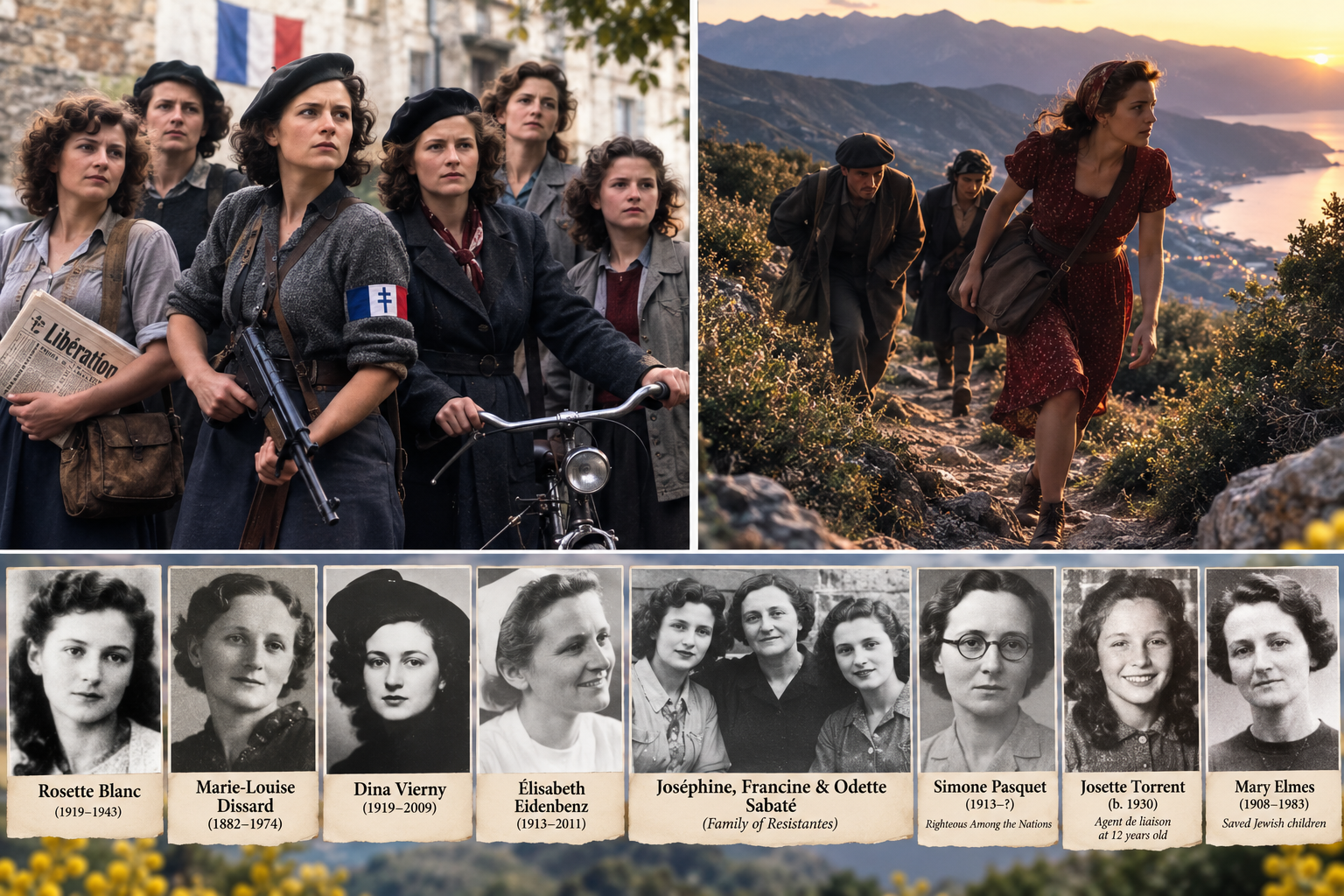
The role of a woman in Nazi Germany was to look after the home and further the regime’s goals of racial purity. In fact, in 1936 SS leaders created Lebensborn (Fount of Life) a state-directed program ordering every SS member to father four children, whether married or not, to create the ideal ‘Aryan’ community, a goal which certainly suited the men! In the early years of the war therefore, the Nazis seriously underestimated women agents.
They were not supposed to look dangerous, which was why they were so useful. A woman carrying a shopping bag attracted less attention than a man carrying a suitcase. A woman on a bicycle was probably going shopping, a mother travelling with a child was an unlikely suspect for carrying a message for the Resistance, a nurse could be visiting a patient, a wife taking food to her husband.
In fact, many of these ladies went through the same brutal training as the men, learning hand-to-hand combat, arms and explosive techniques, mock Nazi interrogations, parachute jumping……and the most dangerous job in the SOE, wireless radio operator, with an average life expectancy of six weeks on the job.
But behind the ordinary appearance, women across the Pyrénées-Orientales were carrying messages, hiding fugitives, producing or obtaining false papers, transporting money, feeding Resistance fighters and helping people towards the Spanish frontier.
Some belonged to organised Resistance networks, some were communists or committed anti-fascists, some were helping people because they had known them before the war, and some were just decent people who could not turn a blind eye to the injustices of the world around them.
Their work was often invisible, but that didn’t make it safe.
If they were caught, the punishment could be the same as for a man.
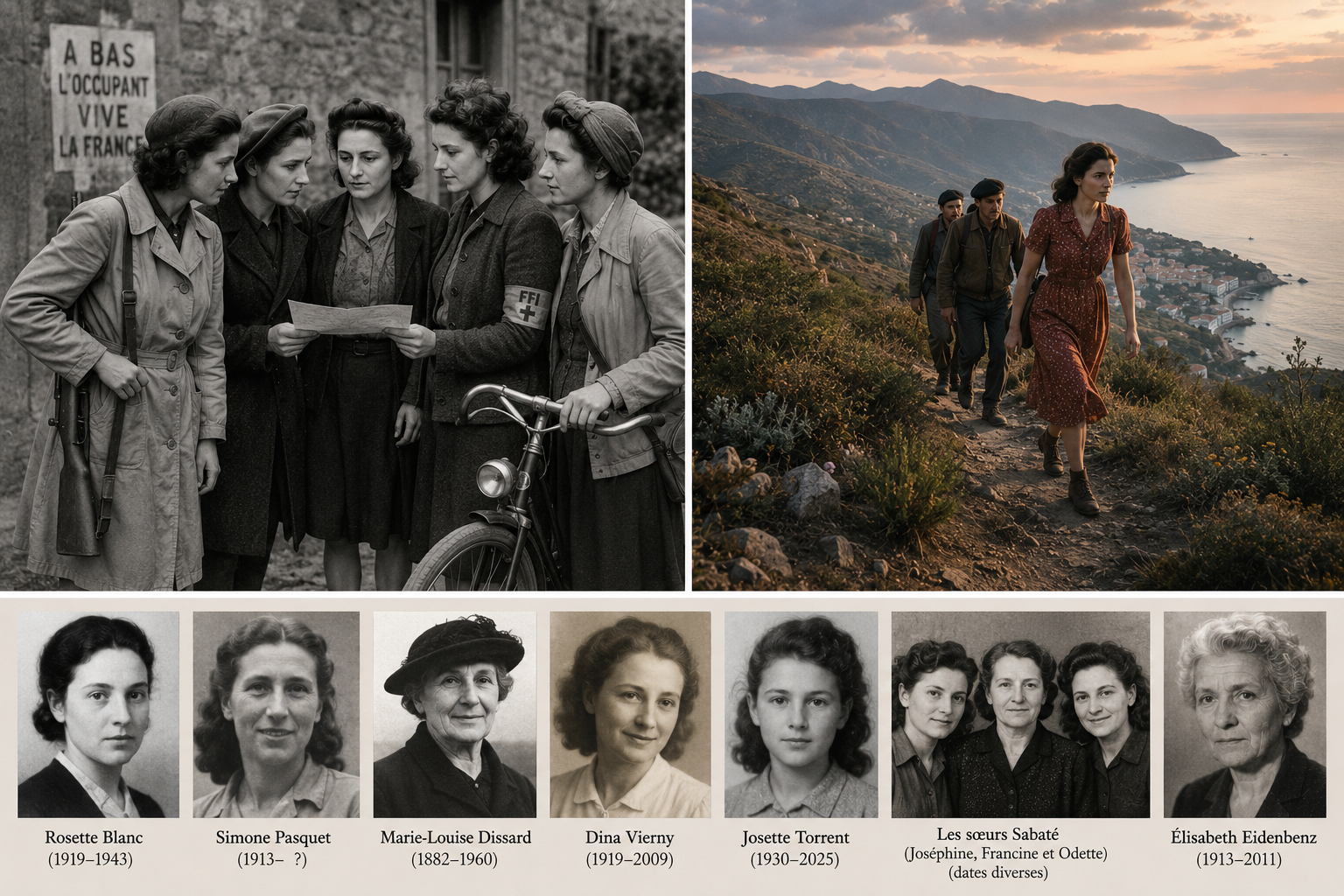
The Women Behind the Resistance
The Resistance in the Pyrénées-Orientales is more often remembered through its men – but someone had to carry the message that told a man where to go, to find or provide a bed for an escaped prisoner, to obtain food for an airman hiding in a cellar. Someone had to provide a false identity, take a frightened stranger from a railway station to a safe house, open the door.
In fact, the very assumptions that restricted women’s lives could sometimes become a form of camouflage as they moved through occupied society without necessarily attracting the same suspicion as men.
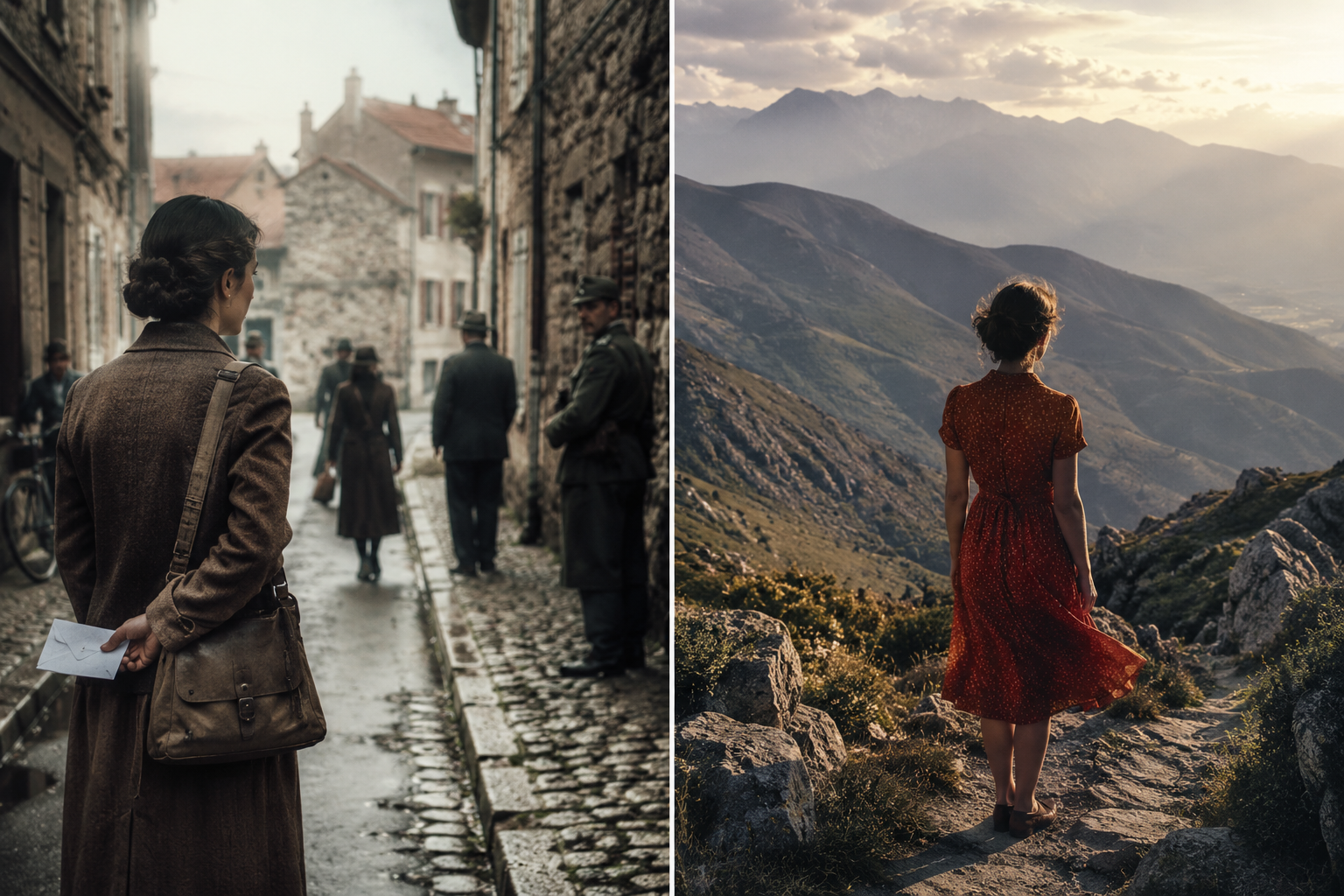 Rosette Blanc
One of the most extraordinary stories begins in Elne.
Rose, known as Rosette, Blanc was born there on 24 September 1919 into a farming family of eight children.
After obtaining her certificate of studies, she worked on a farm before leaving for Paris at the age of eighteen, where she worked as a domestic servant before learning shorthand and typing.
But Rosette was already politically active. Two of her brothers had joined the Communist Youth so she joined too, helping Spanish Republicans in the Pyrénées-Orientales during the Spanish Civil War.
In 1937, barely eighteen years old, she helped establish the local section of the Union des jeunes filles de France in Perpignan.
Then came the Occupation. In 1940 Rosette entered the clandestine organisation of the Communist Party, living under the name of Amélie Garrigue.
She became an agent de liaison, carrying messages between members of the underground organisation, essential but dangerous work.
In March 1942 the network was betrayed and Rosette was arrested by the French special brigades in the affair known as Pican-Cadras.
Named after its two primary leaders, Félix Cadras and André Pican, the police operation led to the arrest of over 140 underground militants, including high-profile intellectuals and resistance fighters. A few months later, Pican, Cadras, and several of their group were executed by a German firing squad. Many of the women captured in the raid were deported to Auschwitz
Rosette was interrogated by the French authorities before being handed over to the Germans, and eventually transferred in the convoy of women later known as the Convoi des 31000, believed to be the only convoy of non-Jewish French women sent from France to Auschwitz. The name for this transport of 230 was taken from the serial numbers, all in the 31,000 range (31625 to 31854) tattooed on the women’s arms upon arrival.At twenty-three years old she became just a number. 31652.
According to the testimony of survivors, Rosette died of typhus at Auschwitz in April 1943.
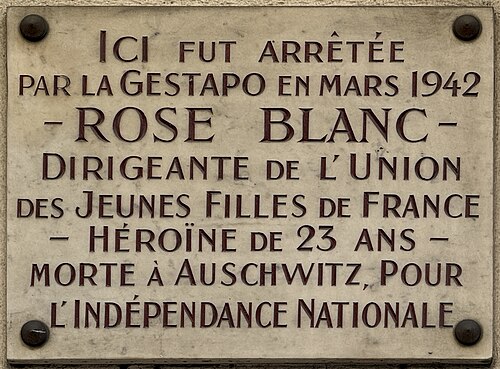
Today a memorial stands in her home town of Elne next to the old gendarmerie, set inside a public children’s playground park to symbolize the future and freedom she died protecting at just 23 years old.
Simone Pasquet
Simone Pasquet was born in Bourges in 1913 and worked as an English teacher in Perpignan during the war.
She was not a professional revolutionary but she became involved in helping Otto Weinmann, a Jewish refugee whose life was in danger. Born in Vienna, Weinmann had trained as a doctor and had obtained his medical doctorate in 1938, despite being classified by the Nazi authorities as a “non-Aryan” and went on the run in 1942 from the hospital in Perpignan where he was working.
Simone Pasquet helped him obtain false papers and become “Albert Baudoin”, supposedly born in a small northern French village whose civil records had been destroyed during the First World War. She also helped provide money and contacts.
Then, in March 1943, she took the next enormous risk of accompanying him towards Banyuls. where she would hand him over to a passeur who would take him across the frontier.
As Weinmann began the journey towards Spain, he injured himself and could go no further. He was found by a farmer and eventually taken to hospital at Banyuls where he claimed to be Belgian and remained under the protection of a sympathetic doctor for many months. Eventually he found refuge with another Perpignan woman, Germaine Bastacki who sent him to her relatives Marcelle and Marius Ribes at Maury.
The chain of solidarity stretched from Perpignan to Banyuls to Maury. This was how people survived.
Simone Pasquet was recognised by Yad Vashem as a Righteous Among the Nations in 2012 for her role in saving Otto Weinmann, as was Germaine Bastacki, and also Marcelle and Marius Ribes.
JOSÉPHINE, FRANCINE AND ODETTE SABATÉ
Pierre Sabaté survived the horrors of the First World War only to die young in 1931, weakened by his injuries and years spent in a prisoner-of-war camp. Before his death in the village of Joch, he is said to have told his wife Joséphine: “At least my children will never go to war…”
History decided otherwise.
When the Retirada swept thousands of Spanish refugees across the border in the winter of 1939, Joséphine and her daughters Francine and Odette turned their small grocery shop in Perpignan into a refuge for those fleeing fascism. Committed communists, fiercely anti-fascist and committed to the Resistance, the three women sheltered Spanish republicans, escapees and downed Allied pilots, risking their lives daily.
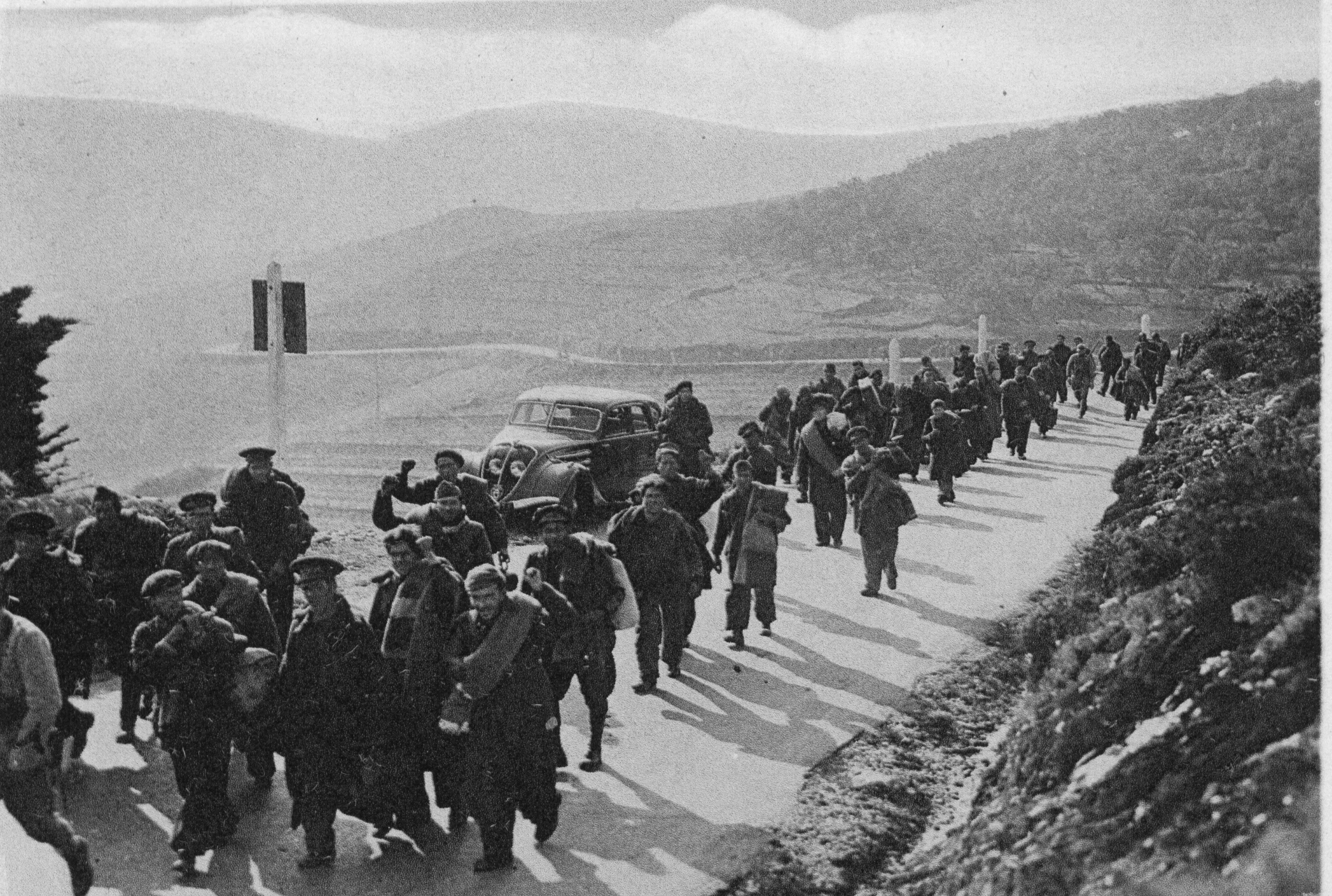
In 1943, all three were arrested by the Vichy police. Odette managed to escape, but Joséphine and Francine were handed over to the Germans and deported to Ravensbrück concentration camp. In March 1945, Joséphine was selected for one of the camp’s so-called “convoys of sacrifice”. A month later, as Soviet troops liberated the camp, Francine died. She was just 25 years old.
Odette, only 18 when she joined the Resistance, continued the fight in secret with the Communist Party until the Liberation. Arrested in 1944, she too was tortured by the Gestapo and imprisoned in Fort Montluc in Lyon before finally being freed by the FFI. She later settled in Ria, where she lived until her death in 2020 — one of the last living witnesses to an extraordinary family story of courage and sacrifice.
Josette Torrent.
She was twelve years old.
Fleeing the German occupation of Saint-Malo, Michel Torrent — code name “Milor René Jules” — found refuge with his family in Perpignan where he joined the Resistance network “Gallia”, becoming both an intelligence agent and a passeur, guiding fugitives and escapees across the Pyrenees to safety.
His daughter, Josette Forgues-Torrent, was possibly one of the youngest members of the Maquis in France. One day he was taken ill and could not carry out a mission so he asked his daughter to deliver a secret message. That first journey changed her life. and for the next two years she carried secret messages, including by railway, between Resistance members and accompanied her father to Las Illas as he guided refugees over the mountains.
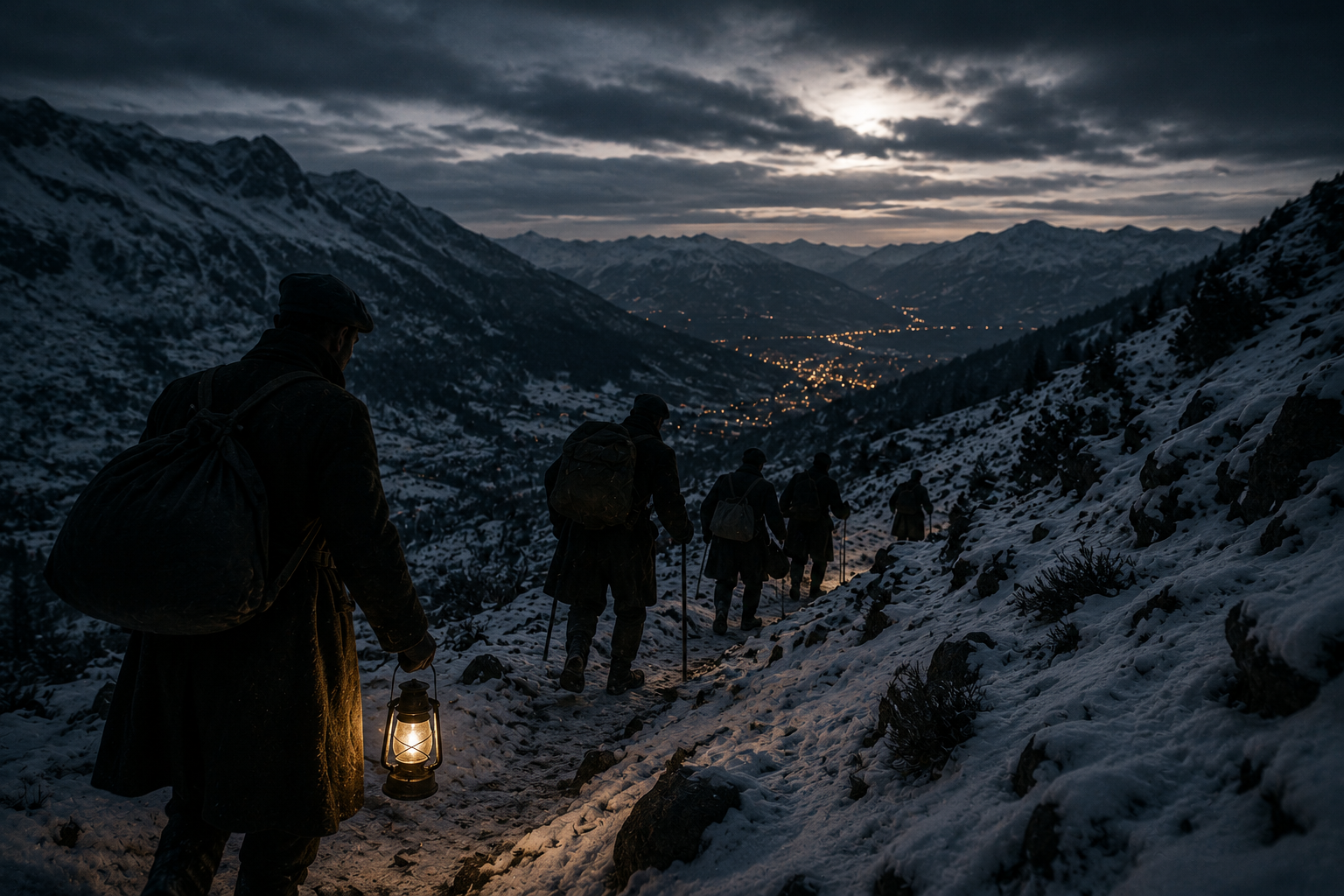
In 1944, betrayal led the Gestapo to his workplace in Perpignan. Arrested, tortured and imprisoned in the Citadelle, Torrent was eventually deported to the concentration camps of Buchenwald and Flossenbürg, where he died.
After his arrest, she ran home from school, burned incriminating documents and warned other members of the network, helping many escape capture.
After the war she worked at the prefecture in Perpignan and for decades she said very little about her wartime activities.
Then, much later, she decided that the story needed to be told.
In 2023 she published her testimony, J’avais 12 ans et j’étais résistante. The title says everything.
She wrote with heartbreaking honesty:
“I regret nothing. On the contrary, I am proud to have been on the ‘right side’. But there will always remain within me a wound that will never heal. I lost my father, my accomplice, my guide. He was 36 years old, and I was 14.”
(Je ne regrette rien, au contraire, je suis fière d’avoir été du “bon côté”…….. Toutefois, il restera en moi une plaie qui jamais ne se cicatrisera. J’ai perdu mon père, mon complice, mon guide. Il avait 36 ans et moi 14).
Dina Vierny, The Girl in the Red Dress
Vierny was young, Jewish and of Russian origin. Many people know her name because of Aristide Maillol. Model, muse and platonic companion for artist Maillol, she was based at his home in Banyuls, from where she helped to smuggle refugees into Spain, initially unknown to Maillol. She was easily identifiable from a distance by her trademark red dress, commemorated by Maillol in one of his last paintings.
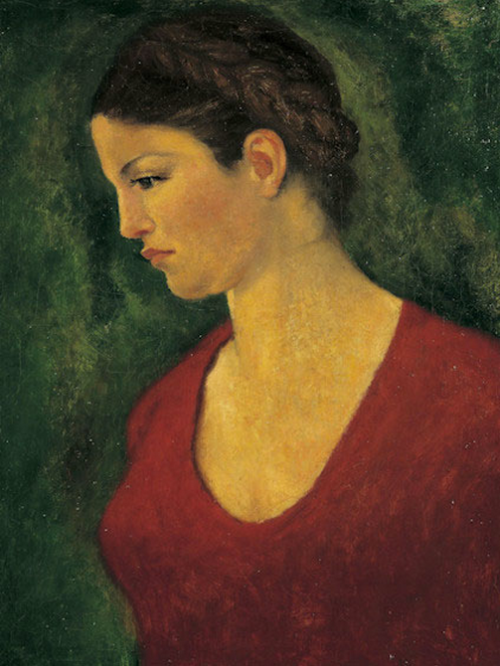
Refugees were told to take the last train to Banyuls-sur-Mer, get off and look for a girl in a red dress, who would be in the café opposite the station. They were not to speak to her, just follow her at a distance in silence. She never knew the identity of the people she was guiding, although some contacted her after the war.
When Maillol found out about her nocturnal activities, he showed her shortcuts and smugglers’ routes known only to a native of the region, and even offered his studio at Puig del Mas as a halfway house.
Arrested by the Gestapo, she was released after six months when Maillol intervened by appealing to Arno Breker, Hitler’s favourite sculptor.
She died in 2009, aged 89.
Marie-Louise Dissard
One of the few French women to actually lead a resistance group and escape network during www2, Marie-Louise Dissard was fifty-eight when she became involved. Her code name was Françoise. She began by distributing anti-Nazi propaganda and later joined the Pat O’Leary escape network. She was a a master of disguise, appearing in public as many different characters.
When the network was infiltrated and broken up, Dissard survived, took over what remained and created what became known as the Françoise Line, organising safe houses, finding money, moving fugitives…..
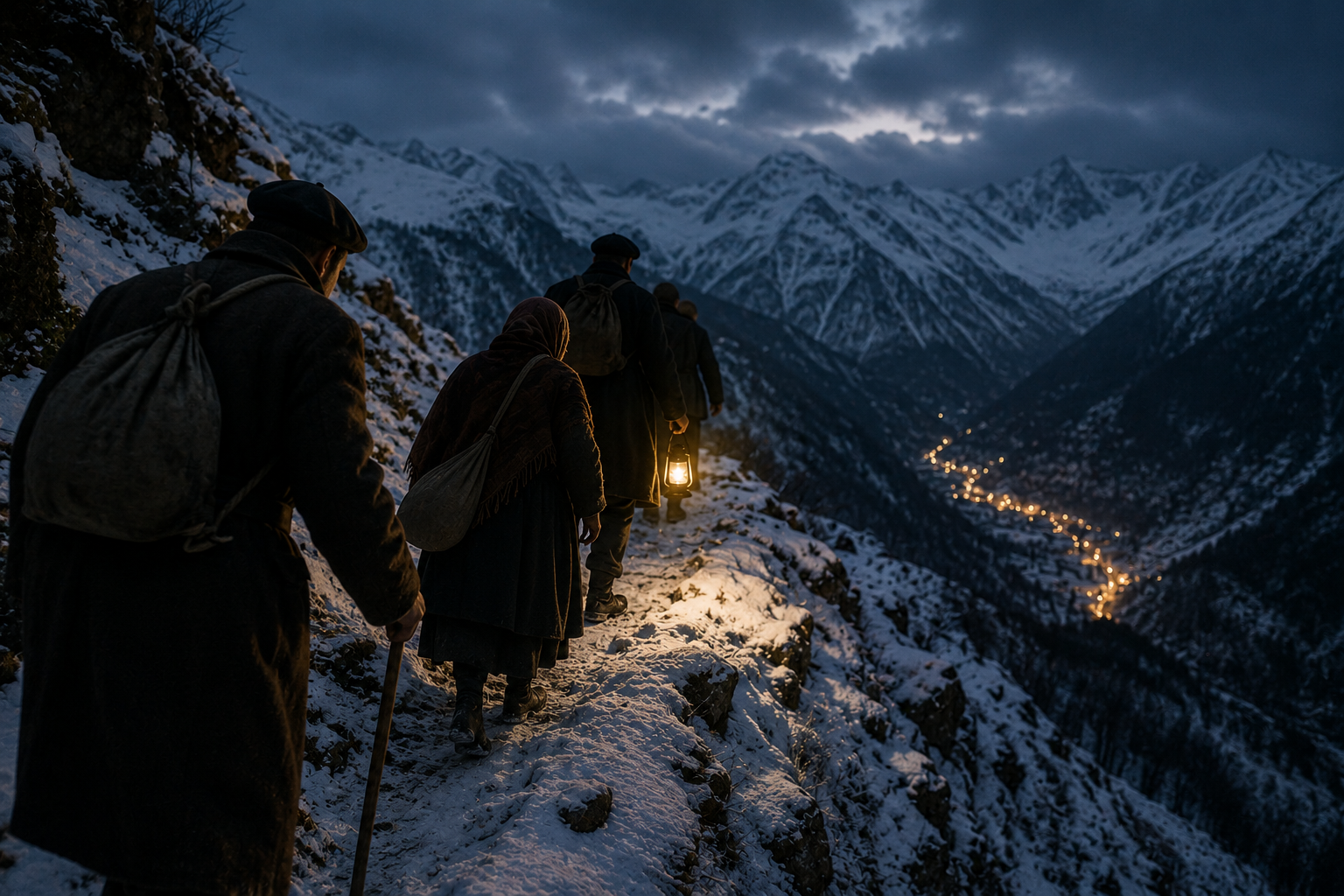
Dissard helped more than 500 Allied airmen to escape occupied France via the Françoise Line, often sheltering them in her own home, ironically overlooked by Gestapo headquarters
Described as ‘small, cheerful, talkative, opinionated, and anti-fascist’, she was so outspoken in her views that the French police opened an enquiry into her ‘subversive’ activities. She was quickly pronounced crazy and the file was closed!
She died in Toulouse in 1957,
Mary Elmes and the Resistance of Rescue
Irish aid worker Mary Elmes had already worked with refugees during the Spanish Civil War. When she came to France, she became involved in humanitarian work around Perpignan and Rivesaltes. She is believed to have saved the lives of at least 200 Jewish children at various times during the Holocaust, by hiding them in the boot of her car. She organised workshops, schools and hospitals in makeshift camps in and around Perpignan, and in particular Rivesaltes Camp Joffre.
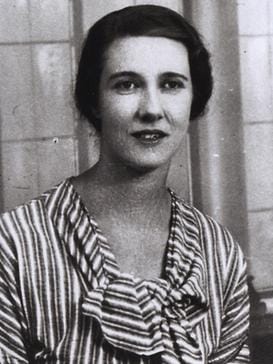
When the Vichy government started to send Jewish children to concentration camps, she joined up with a small group of friends and together they rescued dozens of children, often at great personal risk, by hiding them in the boot of her car. They would then be taken to safe houses or across the border to relative safety. One of the safe houses, the Hotel du Portugal in Vernet les Bains, still stands today.
Between August and October 1942, more than 2,000 adults and 171 children were sent from Rivesaltes to Auschwitz. Mary Elmes and friends saved an estimated 427 of those children from Rivesaltes transit camp, and likely deportation to Nazi extermination camps.
Betrayed, captured by the gestapo and interned in the much feared Fresnes prison, outside Paris, her Irish neutrality saved her and she was released after 6 months.
After settling in Perpignan, she died in 2002, aged 94. Her funeral was attended by children she had saved from a terrible fate
Elisabeth Eidenbenz: The Maternity at Elne
Swiss born Elisabeth Eidenbenz created La Maternité Suisse in Elne as a refuge for expectant mothers fleeing the Spanish Civil War, and later for displaced victims of World War 2. The Maternité became a place of protection in a landscape increasingly dominated by persecution.
Situated on the road to Montescot just outside Elne, and classed as a Monument Historique since 2012, she obtained 30,000 francs from the Swiss Red Cross (Aide Suisse aux Enfants) for the repairs and renovations of the former dilapidated Château d’En Bardou and created a haven for these desperate ladies and their babies.
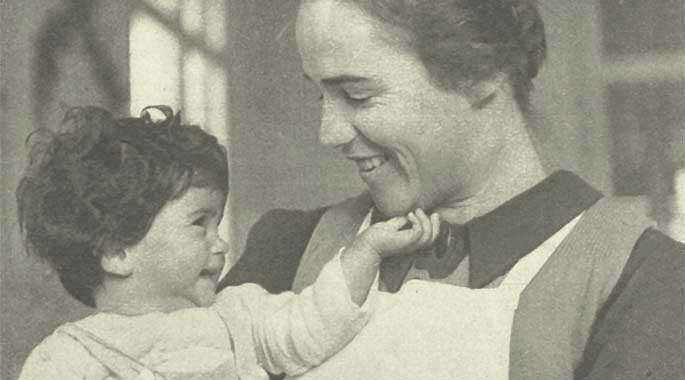
When the Gestapo arrived in their black leather coats looking for Jews, Elisabeth sent them packing. One time, they told her that if she did not produce a Jewish lady they were looking for, they would take Elisabeth instead. She simply asked for a few moments to pack her bags. The lady in question refused to accept the sacrifice and gave herself up, her fate a cattle wagon from Elne to Rivesaltes, and onwards to the gas chambers at Mauthausen via Drancy.
Elisabeth died in 2011 in Zürich at the age of 98.
What would have happened if these women had done nothing?
Rosette Blanc resisted fascism and paid with her life, Simone Pasquet gave a hunted man a new identity, the Sabaté women sheltered fugitives, Josette Torrent carried secret messages at twelve, Dina Vierny led strangers towards Spain, Marie-Louise Dissard organised an escape network, Mary Elmes rescued children, Elisabeth Eidenbenz protected mothers and babies. There were many more woman doing valuable work in the background..
Different methods. Different motives. Different forms of courage. But none of them did nothing.
The consequences
Rosette Blanc died at Auschwitz, Francine Sabaté died at Ravensbrück, Joséphine Sabaté was deported, Dina Vierny was imprisoned, Simone Pasquet was risking arrest every time she helped Weinmann, Josette Torrent knew what had happened to her father.
And countless other women were arrested, interrogated, deported or simply disappeared from the historical record. Many memories survived through archival records, photographs, testimonies and memorial, but for others, their very anonymity was the proof that they had succeeded
Articles In This series
Article 1
The Traitor of Valmanya: The Strange and Tragic Story of Nessim Eskenazi
Article 2
Julien Panchot: The Maquis Leader Who Refused to Break
The story of the Resistance commander captured before the destruction of Valmanya.
Article 3
Valmanya 1944: The Village That Burned
A dramatic reconstruction of the attack on the village and its aftermath.
Article 4 Part 1
The Milice in Perpignan
Who collaborated locally, how the organisation operated, and how it was dismantled after Liberation.
The Milice in Perpignan Part 2
Who collaborated locally, how the organisation operated, and how it was dismantled after Liberation.
Article 5
Henri Treyeran: The Most Hated Man in Perpignan
A profile of the Milice leader assassinated by Resistance fighters.
Article 6
Escape Across the Pyrenees
The guides, smugglers, Allied airmen, Jews and resistance fighters who crossed into Spain.
Article 7
The Women of the Resistance in the Pyrénées-Orientales
Too often overlooked
Article 8
The Liberation of Perpignan
August 1944 and the collapse of German authority.
Article 9
Justice and Revenge
The trials, executions, and purges that followed Liberation.
Article 10
The Last Witnesses
How the Occupation is remembered today in the department.