
Did You Know? The Surprising Origin of the Word “Mascot”
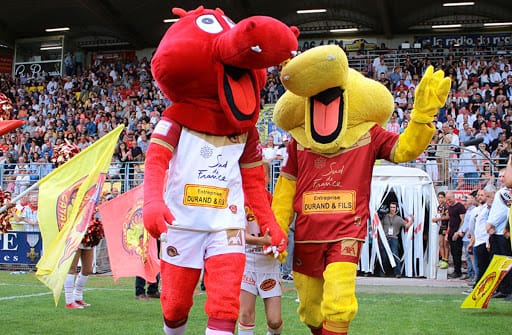
Today, mascots are everywhere. From sports teams and schools to companies and major international events, mascots are used to create identity, boost morale and bring a sense of fun and good fortune.
A mascot can be an animal, a person, a costume character or even an object chosen to represent a group or organisation. Many people believe mascots bring luck, while others simply see them as symbols of unity and team spirit.
But did you know the word “mascot” actually comes from the south of France?
The French Origins of the Word “Mascot”
The modern word “mascot” entered popular language thanks to French composer Edmond Audran and his hugely successful comic operetta La Mascotte, first performed in Paris in 1880.
The story centred on a young farm girl named Bettina, who supposedly brought good luck to everyone around her — provided she remained a virgin. The operetta became an enormous hit, not only in France but across Europe and eventually internationally.
As audiences embraced the story, the title La Mascotte soon became associated with anything believed to bring luck or success.
From Provençal Slang to International Word
The title itself came from the Provençal word masco or masca, a regional term meaning witch, sorceress or magical woman.
In the folklore of southern France and Provence, the word often referred to someone believed to possess supernatural powers, either good or bad. Over time, the meaning softened and became linked more generally with charms, luck and protective figures.
By the late nineteenth century, the French word mascotte had entered everyday language. English speakers quickly adopted the word “mascot”, and it soon spread worldwide.
Mascots in Modern Culture
Today, mascots are especially associated with sport. Famous examples include:
- Team animals such as lions, eagles and bears
- Costumed characters entertaining crowds
- Olympic and World Cup mascots
- Corporate brand mascots used in advertising
Many universities, military regiments and businesses also use mascots to build loyalty and identity.
Some mascots have become more famous than the teams or companies they represent.
A Word Born in France
Although mascots now feel like a universal tradition, the word itself has distinctly French roots, with a touch of Provençal folklore and nineteenth-century theatre history behind it.
So the next time you see a giant costumed animal dancing at a rugby or football match, you can thank a French comic operetta — and an old Provençal word for “witch”.