
Rock ‘n Rain
We’ve had quite a few days of heavy rain this spring, mixed in with some rather nice sunny periods, but nothing in recent memory compares with what happened on 20 May 1868 in Molitg-les-Bains, deep in the upper Têt Valley of the Pyrénées-Orientales.
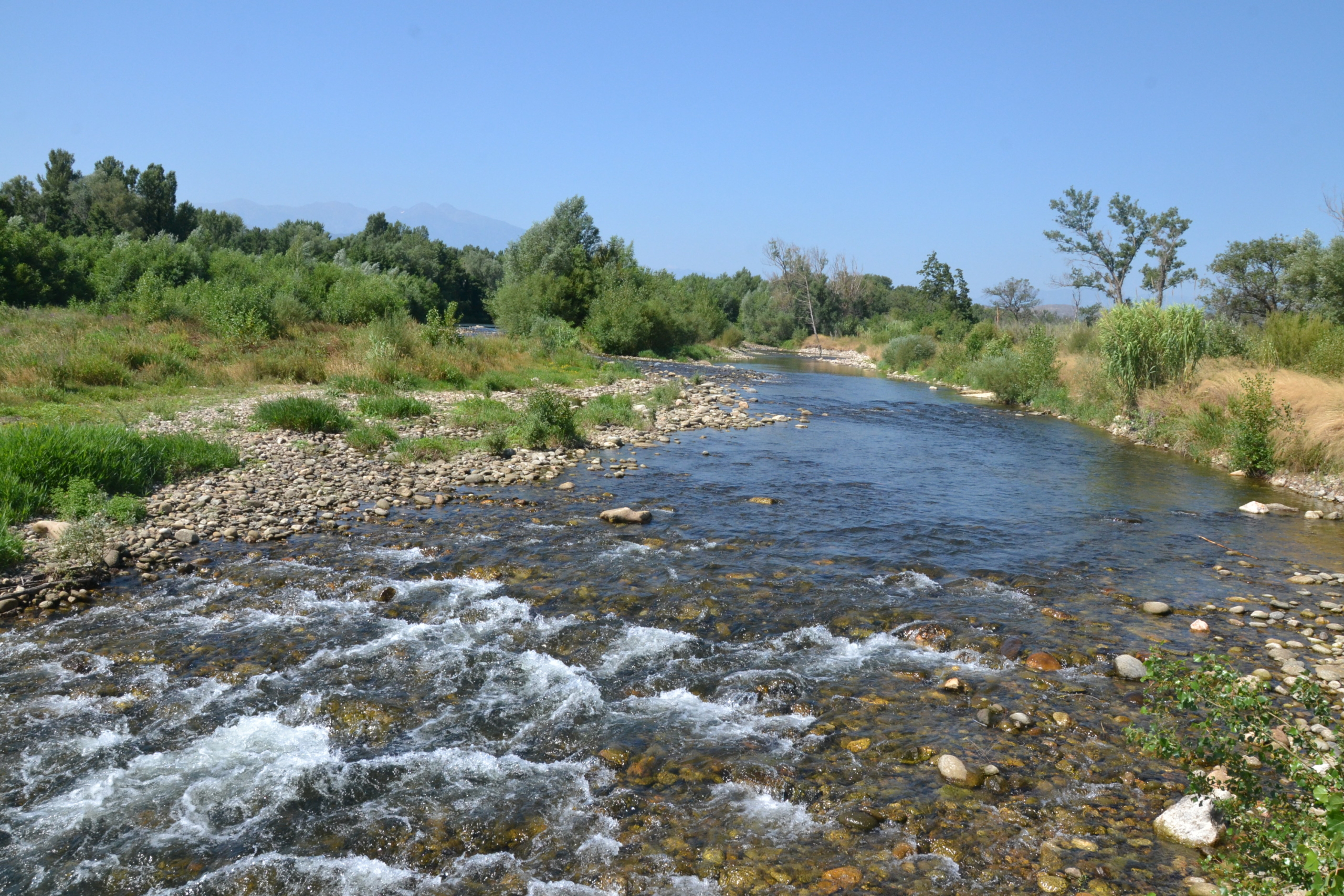
According to records published in the Bulletin Météorologique of 1900, an astonishing 313mm of rain fell in just one hour. Even by modern standards, it is an almost unimaginable amount of water — the equivalent of several months’ rainfall descending from the sky in the time it takes to eat lunch.
The storm struck the steep mountainsides above the valley with devastating force. Torrents of water ripped through ravines and gullies, loosening rocks and debris as they thundered down towards the River Têt below. In an account that reads more like local folklore than meteorological history, a man sheltering from the rain near the riverbank was reportedly struck by a massive boulder dislodged from the mountainside. The story claims the force was so violent that half of his body was later discovered beneath the rock, while the other half was carried some 12 kilometres downstream towards Eus.
Whether entirely factual or embellished over time, the tale has survived for more than a century as one of the region’s most extraordinary weather stories — a reminder of how suddenly the tranquil valleys of the Conflent can turn deadly.
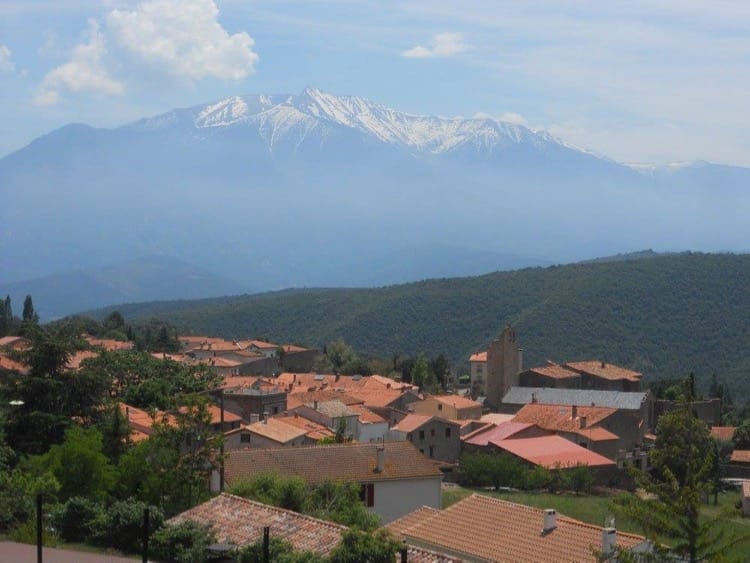
Credit Marianne Pryor
What makes the event even more remarkable is that, while Molitg-les-Bains and the upper Têt Valley were enduring catastrophic rainfall, not a single drop of rain reportedly fell in Perpignan that same day.
This strange contrast is not as impossible as it sounds. The geography of the Pyrénées-Orientales creates dramatic microclimates. Moist Mediterranean air can become trapped against the mountains, unleashing violent localised storms over inland valleys while the plains and coastline remain dry under clear skies. Even today, residents of the department are familiar with storms that flood one village while another only a few kilometres away sees sunshine.
Long before modern weather radar and emergency warnings, communities in the Pyrenean valleys lived at the mercy of these sudden episodes. Rivers could transform into raging torrents within minutes, roads disappeared under landslides, and isolated hamlets were often cut off from the outside world for days.
Today, Molitg-les-Bains is better known for its thermal spa, peaceful mountain scenery and quiet charm. Yet hidden within the archives of regional meteorology is the memory of a storm so violent that it still sounds almost unbelievable more than 150 years later.
In the Pyrénées-Orientales, the mountains have always shaped the weather — and occasionally, the weather has shaped history.