
Normandy’s Shores: Where History, Memory, and Unexpected Stories Meet
The beaches of D-Day in Normandy have been submitted for consideration on the UNESCO World Heritage List.
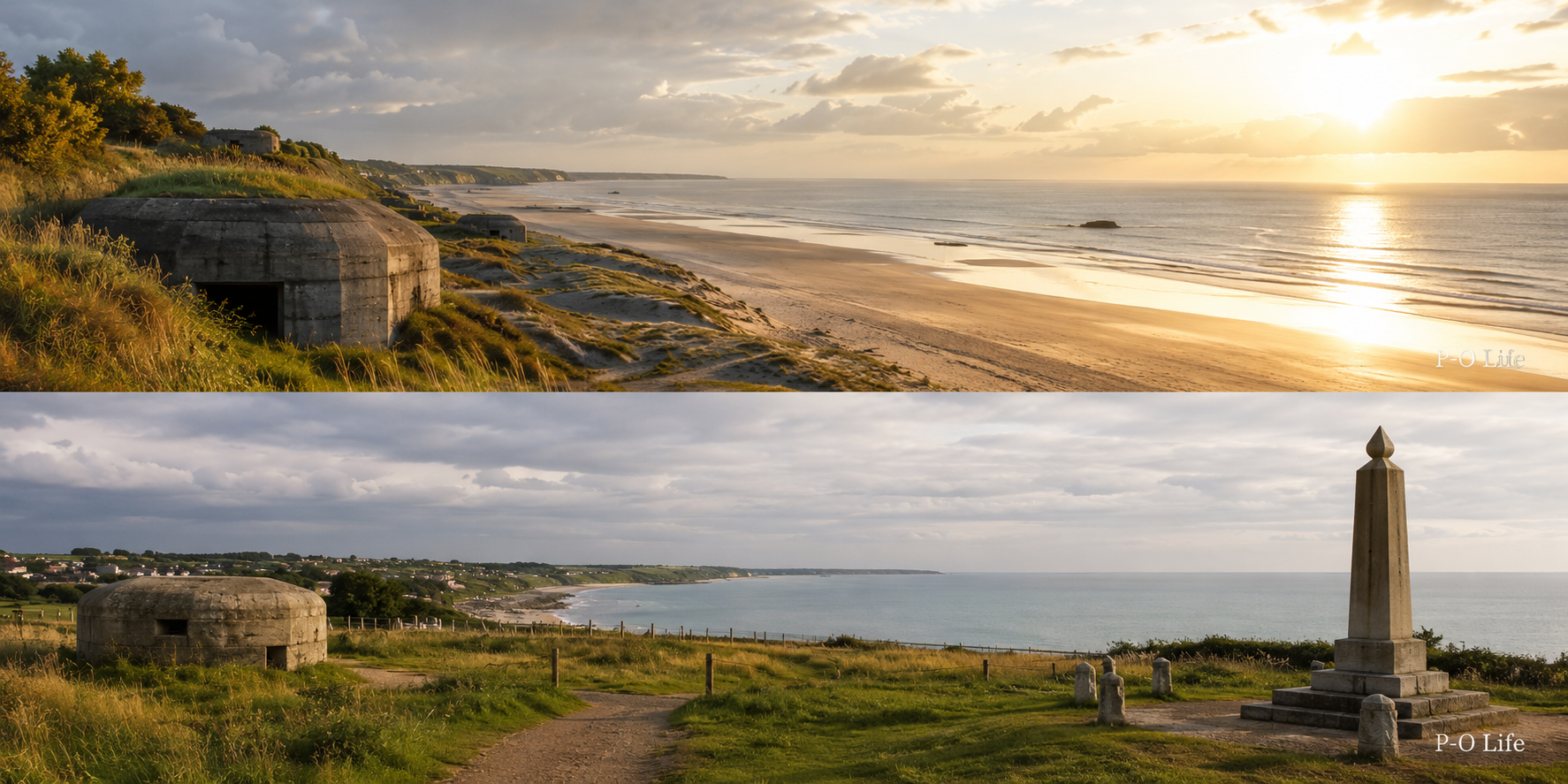
The D-Day landings on Utah Beach, Omaha Beach, Juno Beach, Gold Beach and Sword Beach along the Normandy coast in 1944 turned the tide of the Second World War in Europe. Walking along these beaches today, you’ll still encounter remnants of the past: weathered bunkers from the Atlantic Wall, fragments of warships resting silently offshore, and scars in the terrain that refuse to fade.
Interestingly, while these relics speak of destruction, the surrounding region is now known for its peaceful countryside, apple orchards, and Camembert cheese. In fact, Normandy produces some of the most famous dairy products in France—an unexpected contrast to its wartime legacy.
Another curious detail: the tides along the Normandy coast are among the fastest-changing in Europe, sometimes shifting dramatically within hours. During D-Day, these tidal patterns played a crucial role in the timing of the landings.
The Long Road to Recognition
Efforts to recognize the D-Day beaches as a UNESCO World Heritage Site began in 2014, with a formal application submitted in 2018. However, progress stalled when UNESCO postponed reviewing sites linked to more recent conflicts.
The pause reflected a broader question: how should the world commemorate places tied to modern warfare?
That question lingered until January 2023, when the restriction was lifted. Applications submitted before 2022—including Normandy’s—were allowed to move forward outside the usual quota limits.
Michael Dodds, director of the Normandy Regional Tourism Committee, described the nomination as “the logical next step” in preserving the memory of what happened there.
Normandy is not alone in this global effort to preserve memory. UNESCO has increasingly recognized sites tied to human conflict and remembrance.
Recent additions include 139 burial sites from the First World War across France and Belgium, as well as memorials commemorating the genocide against the Tutsi in Rwanda.
These places, though vastly different, share a common purpose: to ensure that the stories they hold are neither forgotten nor repeated.
A Place of Reflection—and Paradox
What makes the Normandy beaches unique is not just their historical significance, but their dual identity. They are at once solemn memorials and vibrant tourist destinations. Families picnic near bunkers; children play where soldiers once landed.
And perhaps that is part of their message.
Because while history here is heavy, life continues—sometimes quietly, sometimes unexpectedly. For example, seagulls now dominate the skies where fighter planes once roared, and local markets sell cider just a few kilometers from former battle zones.
In the end, Normandy is not only about the past. It is about how the past lives on—shaping landscapes, memory, and even the smallest, most ordinary details of everyday life.