
Travelling to France in 2026? Here Are the Changes Catching Visitors Out
Visitors travelling to France in 2026 are encountering a number of changes, from new biometric border checks and increased tourist taxes to stricter smoking regulations and bans on certain nicotine products. While many travellers are adapting without difficulty, others have reported delays, confusion and unexpected costs. Here’s a look at the changes that are generating the most discussion among visitors and what they could mean for your next trip to France.
If you’re planning a trip to France this year – whether flying into Perpignan, Carcassonne, Béziers, Montpellier, Toulouse or arriving by train, ferry or car – there are several new rules and changes worth knowing about before you set off.
Most won’t affect your travel dramatically, ifat all, but some are already causing confusion, delays and unexpected costs for travellers.
New Border System Creating Mixed Experiences
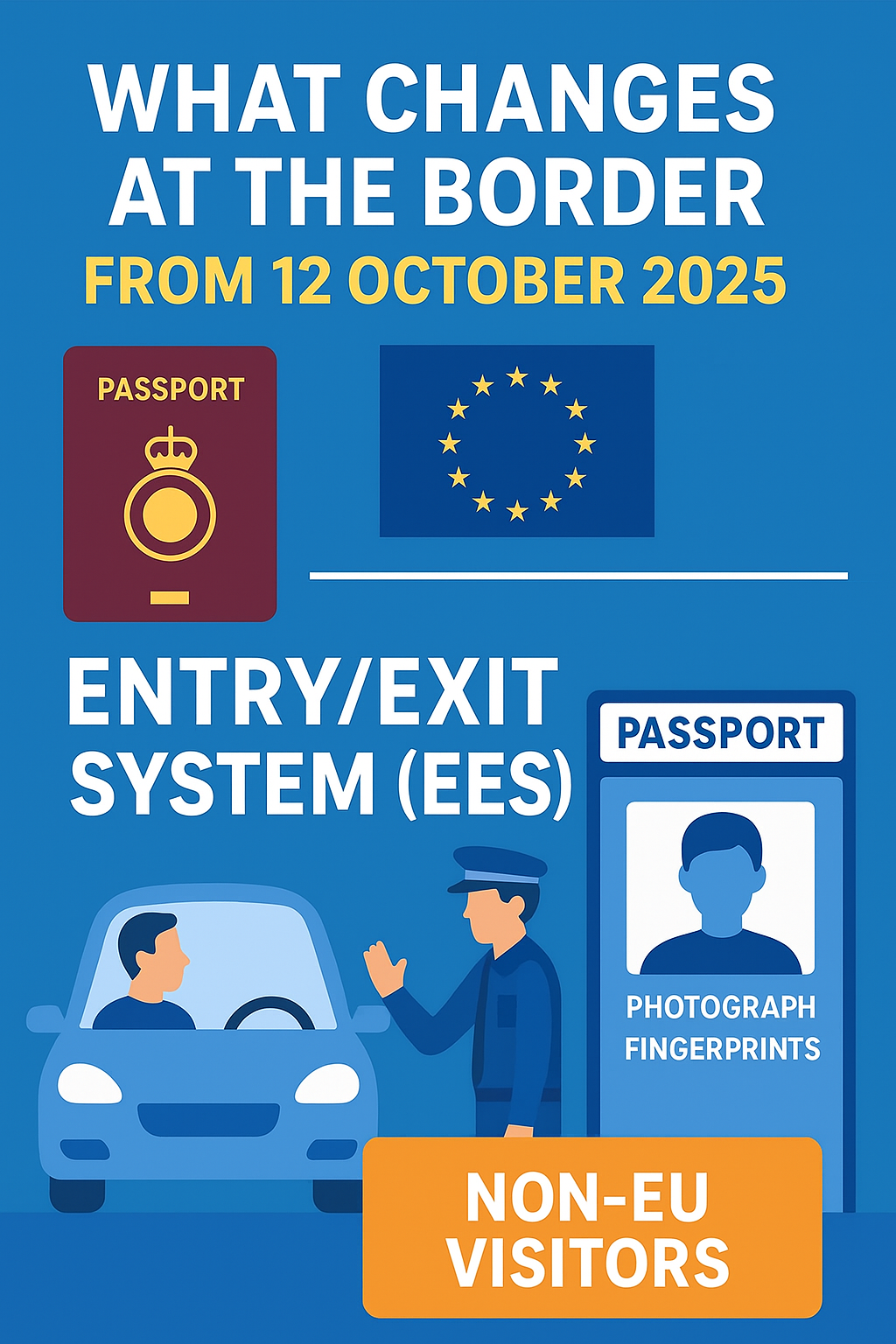
The biggest change for non-EU visitors is the introduction of Europe’s new Entry/Exit System (EES).
The system replaces passport stamping with digital records and biometric checks, including facial recognition and fingerprint scans.
For many travellers the process appears to work smoothly.
However, not everyone has been so lucky.
Travel forums have filled with reports of lengthy waits at some airports and transport hubs. One traveller described spending more than an hour in an electronic passport queue, while others reported concerns about missing flights during busy periods.
The experience appears to depend largely on where and when you travel, whether it is your first registration in the system, and how well trains and informed the service staff are in each location.
For visitors arriving through regional airports in southern France, the impact is theoretically expected to be less severe than at major international hubs such as Charles de Gaulle.
ETIAS Is Coming – But Not Yet
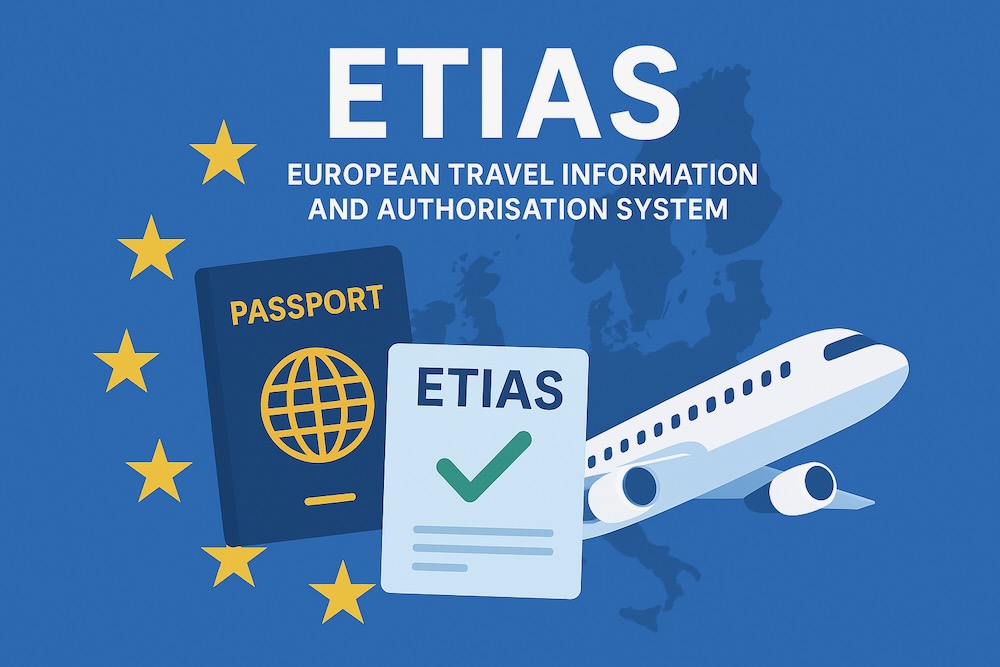
Another major European travel change is ETIAS, a pre-travel authorisation system that will eventually apply to many non-European visitors.
The scheme has not yet launched, despite widespread reports online suggesting otherwise.
When it does arrive, travellers from countries such as the UK, USA, Canada, Australia and New Zealand will need to obtain authorisation before travelling to France and other participating European countries.
For now, travellers do not need to apply and should be wary of unofficial websites claiming to offer registrations.
Tourist Taxes Continue to Rise
Many visitors are discovering that accommodation costs can be higher than expected because of increased tourist taxes.
The charges vary depending on where you stay and the category of accommodation, but they can add a noticeable amount to a holiday budget, particularly for couples staying in hotels over several nights.
The biggest complaint isn’t necessarily the tax itself – it’s that some travellers only notice the extra cost when checking out.
Museum Visits May Cost More for Some Tourists
Several major French attractions have introduced higher admission fees for visitors from outside the European Union and European Economic Area.
The Louvre and the Palace of Versailles are among the sites that now operate different pricing structures.
While the changes mainly affect visitors heading to Paris and other major tourist destinations, they have generated considerable discussion among travellers who were surprised to find themselves paying significantly more than European residents.
New Rules on Nicotine Products
Visitors travelling to France should also be aware of stricter regulations covering nicotine products.
Disposable vapes have been banned, and oral nicotine pouches that are commonly sold in countries such as the UK, Sweden and the United States are prohibited.
Online travel forums contain numerous posts from travellers who only discovered the restrictions shortly before departure.
Anyone using nicotine replacement products should check current French regulations before travelling.
More Outdoor Areas Are Smoke-Free
France has expanded its outdoor smoking restrictions, particularly in places frequently used by children and families.
Many beaches, parks and public recreational areas are now covered by smoke-free rules.
The regulations vary by location, but visitors should expect to see more tobacco-free zones than in previous years.
Security Checks Remain Common
Visitors should also expect routine security measures at transport hubs, museums, sporting events and major attractions.
Bag checks have become a normal part of visiting many public venues and are usually completed quickly.
Carrying some form of photo identification remains advisable, particularly for international visitors travelling around the country.
For most people, these changes won’t spoil a holiday.
The biggest adjustment for many travellers is likely to be the new digital border system, which has produced everything from reports of 30-second processing times to complaints about queues lasting more than an hour.
Beyond that, the main surprises tend to be practical rather than dramatic: higher tourist taxes, changing transport systems and new restrictions on certain nicotine products.
A little preparation before travelling remains the easiest way to avoid unexpected delays, costs or confusion once you arrive in France.
Bon Voyage! Travel safe.