
Mediterranean Sharks Return to Catalan Coasts — Great News for Nature, Slightly Less Reassuring for Morning Swimmers
Sharks are making a noticeable comeback along the Catalan coastline, with scientists discovering new breeding and feeding grounds stretching across both French and Spanish Catalonia. Marine researchers say it is an encouraging sign for the health of the Mediterranean ecosystem — although some beachgoers may feel slightly less enthusiastic about sharing the water with returning apex predators.
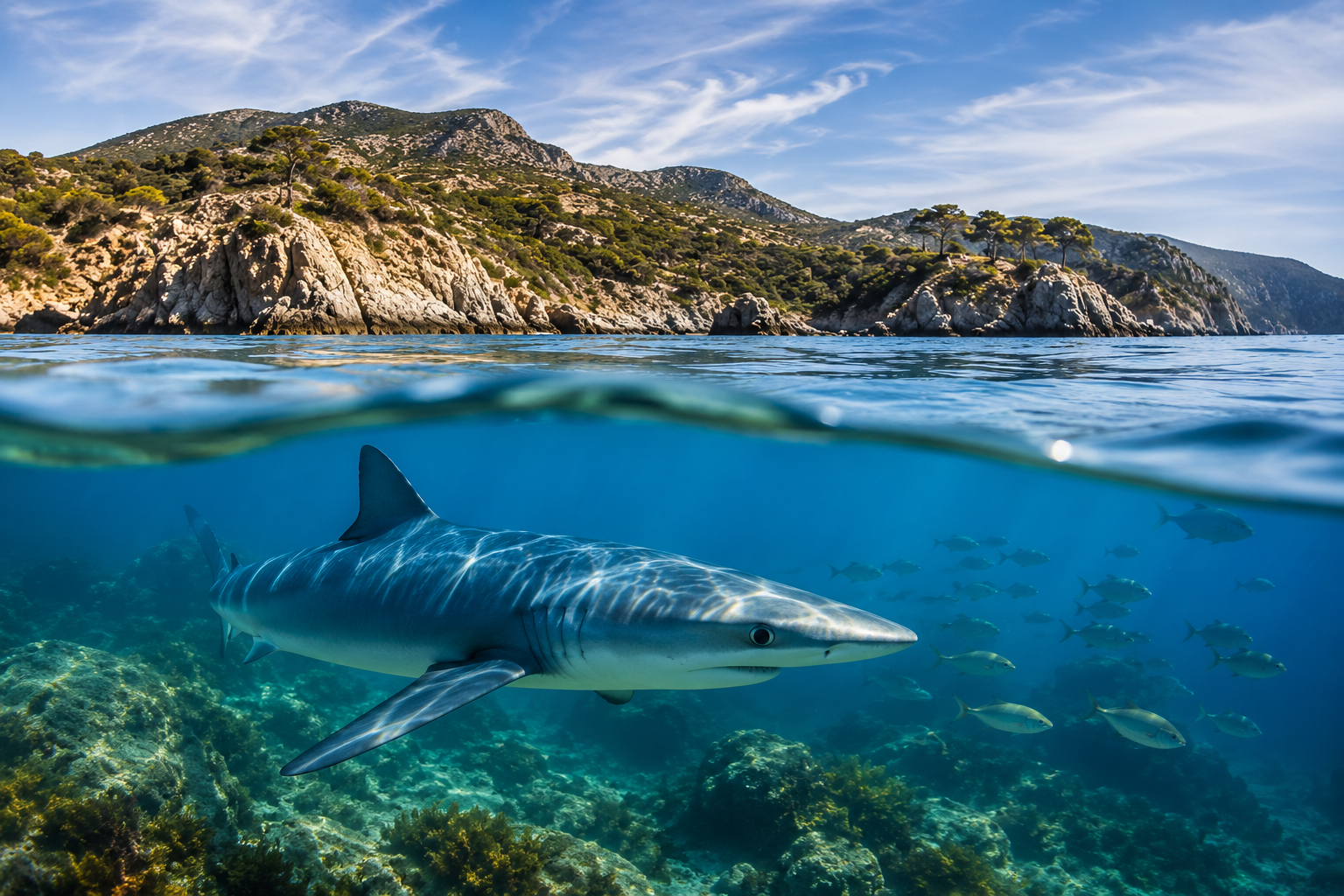
A new study from Barcelona’s Institute of Marine Sciences (ICM-CSIC) and the National Museum of Natural Sciences (MNCN-CSIC) reveals that several species of sharks and large marine predators are increasingly choosing the northwestern Mediterranean as a place to hunt, migrate, and reproduce.
Among the key locations identified is the underwater canyon of Cap de Creus, near the border between France and Spain. Thanks to powerful currents and nutrient-rich waters, the area acts like an all-you-can-eat buffet for marine life, attracting prey species — and naturally, the predators that follow them.
For scientists, the return of sharks to the waters off the Costa Brava, the Gulf of Lion, and the French Catalan coast is extremely positive news. For early morning swimmers who already panic at floating seaweed touching their leg, perhaps slightly less so.
Researchers say these coastal areas are becoming critically important ecological sanctuaries for species that are among the most threatened in the world.
Mediterranean Sharks Nearly Vanished
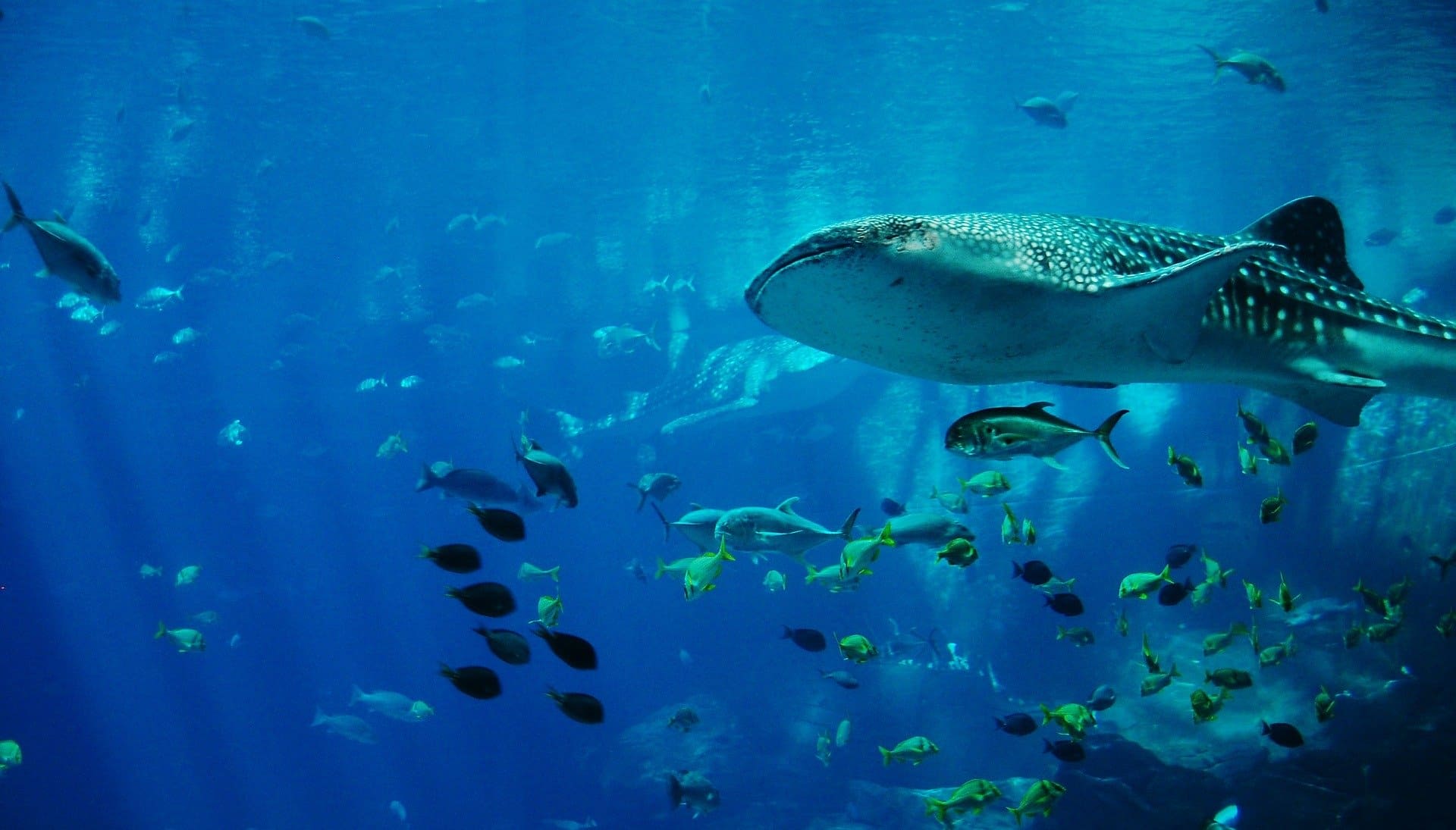
The Mediterranean was once home to large populations of sharks, including blue sharks, hammerheads, and other major predators. But industrial fishing pushed many species close to collapse.
Scientific estimates suggest that Mediterranean shark populations have declined by between 96% and 99.99% over the last century. Some species are now classified as critically endangered.
Environmental groups have repeatedly warned that the disappearance of sharks is one of the clearest indicators that the Mediterranean ecosystem is under severe stress. In simple terms: when the sharks disappear, it usually means the rest of the food chain is in trouble too.
Overfishing remains the biggest threat. While some sharks are intentionally hunted for their fins or meat, many are accidentally caught in fishing nets and longlines. Others fall victim to pollution, plastic waste, or abandoned fishing gear.
Climate change is also altering water temperatures and disrupting migration routes, breeding seasons, and prey availability.
Important for Nature… Slightly Terrifying in Practice
Marine biologists stress that sharks are essential for maintaining balance in the Mediterranean ecosystem. As top predators, they help regulate fish populations and keep marine habitats healthy.
And despite the dramatic headlines that inevitably appear every summer, shark attacks in the Mediterranean remain exceptionally rare.
Still, it is fair to say most tourists would probably prefer to admire marine biodiversity from the beach bar rather than unexpectedly coming face-to-face with a blue shark halfway through their morning swim.
Scientists hope the new data will encourage France and Spain to strengthen marine conservation measures across Catalonia and the wider Mediterranean region.
Because while the return of sharks may not boost everyone’s confidence in open-water swimming, it is one of the strongest signs yet that parts of the Mediterranean may still have a chance to recover.