
Forteresse de Salses
Where French Catalonia melts into the Aude, the imposing Forteresse de Salses squats on the strip of land between the Corbières hills and the lagoons of Leucate and Salses
Occupying a dramatic natural bottleneck between the Mediterranean marshes and the rocky hills, the fortress guarded what was once the only practical route between the Iberian Peninsula and France. Romans, traders, pilgrims, invading armies and kings all passed beneath its walls along the ancient Via Domitia.
Built partly below ground level and sunk deep into the red clay earth, the fortress was designed to resist the terrifying new power of cannon fire. Massive walls up to ten metres thick, hidden galleries, drawbridges and defensive moats made it one of the most innovative military structures of its age. Charles V is said to have described Salses as “more a ship than a fortress”, its low, squat silhouette seeming to rise directly from the plain.
Constructed at the end of the 15th century as the northern frontier post of the Spanish Kingdom of Aragon, the château was of vital strategic importance to both France and Spain. It stood on a frontier fought over for centuries by French, Catalans and Moors alike.
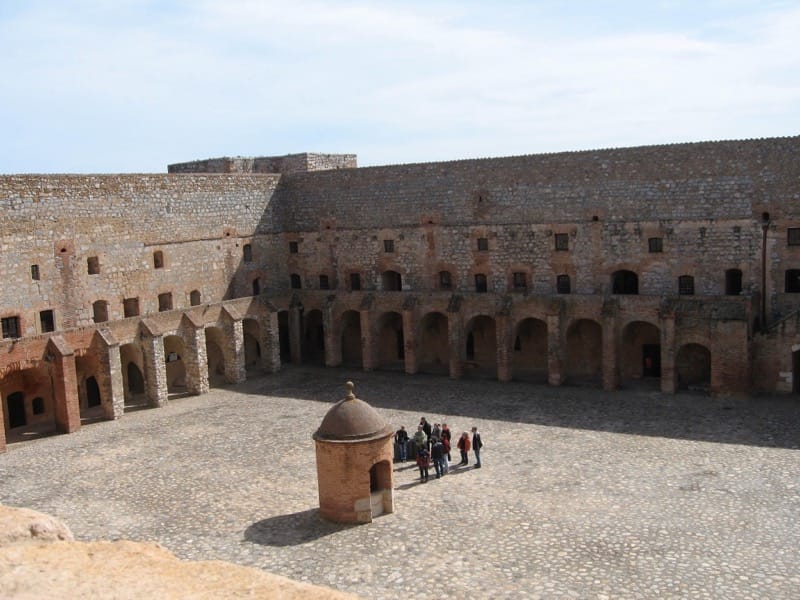
Taken by the French in 1639, recaptured by the Spaniards in 1640, retaken by the French, returned once more to Spain in 1642, it was finally handed back to France in 1659 with the signing of the Treaty of the Pyrenees. With the border pushed further south, the fortress gradually lost its strategic importance.
Partially restored by Sébastien Le Prestre de Vauban, it later became a state prison, housing the unfortunate poisoners from the court of Louis XIV before their transfer to Fort Liberia in Villefranche de Conflent, another of Vauban’s masterpieces.
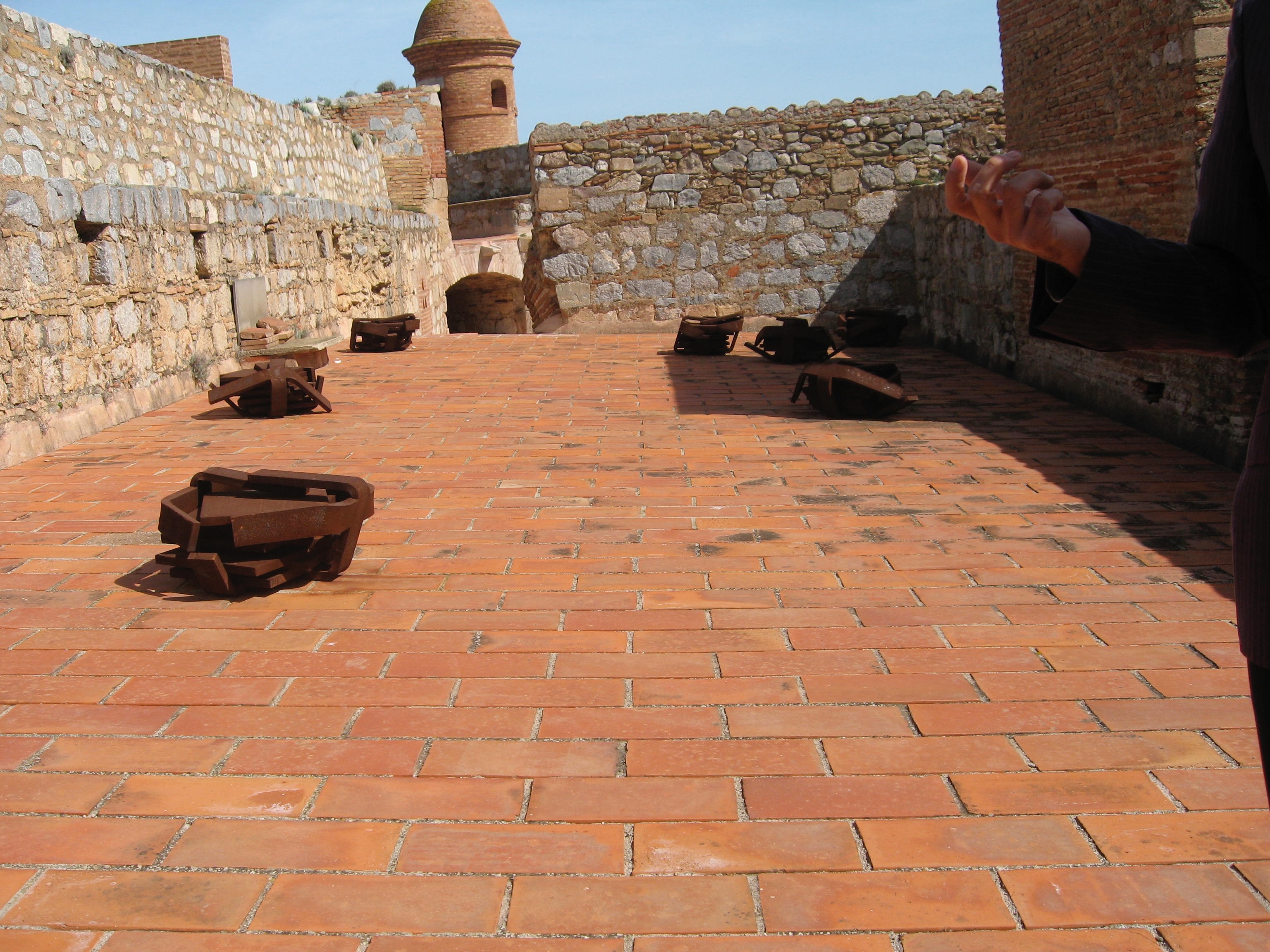
Too sturdy — and too costly — to destroy, Salses survived the centuries and was classified a Monument Historique in 1886
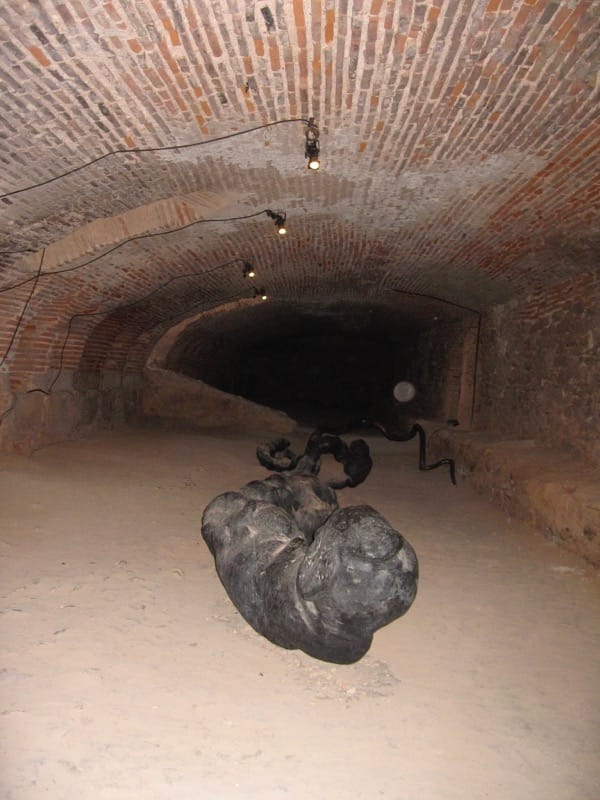
Today, visitors can still explore the huge central courtyard that once sheltered 1,200 soldiers and 300 horses, along with chapels, stables, galleries and subterranean chambers that remain surprisingly cool even in midsummer. Unlike the fairy-tale castles of the Loire, Salses feels brutal, functional and immensely powerful — a fortress built purely for war.
Considered one of the finest surviving examples of the transition from medieval castle to artillery fortress, the Forteresse de Salses offers a fascinating glimpse into military history and architecture. Guided tours are available in several languages, or you can simply wander around the mighty outer walls and soak up the atmosphere.
Concerts, workshops, historical reenactments and Catalan cultural events take place regularly within the fortress walls, celebrating the region’s unique heritage at the crossroads of Catalonia and Occitania. At sunset, when the red stone glows against the backdrop of the Corbières, it is easy to understand why Salses remains one of the most striking strongholds in southern France.
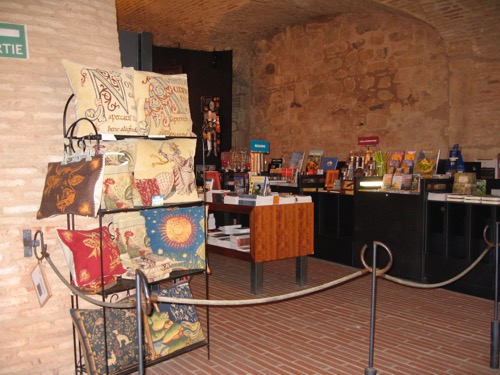
There is a gift and bookshop on site — and even some very un-medieval vending machines for the peckish!
Take a look at the official programme to see upcoming events and keep an eye out for the Journées du Patrimoine (National Heritage Days), when entrance is often free.
Getting there
Plenty of free parking out of season, including disabled, or take a bus (n° 135 Perpignan-Salses line) or a train from Perpignan to Salses-le-Château station, and enjoy the 15-minute walk to the fort.
Admission
Adult tickets currently start from around €7.50–€9 depending on the visit option and season. Admission is free for EU residents under 26 and for children under 18.
Opening hours:
April to September: daily 10am–6.30pm
October to March: 10am–12.45pm and 2pm–5.15pm
Closed on 1 January, 1 May, 1 & 11 November and 25 December.
Contact
Tel: 04 68 38 60 13
Email: forteresse.salses@monuments-nationaux.fr
Website: www.forteresse-salses.fr
Facebook
Read more about the Forteresse here.
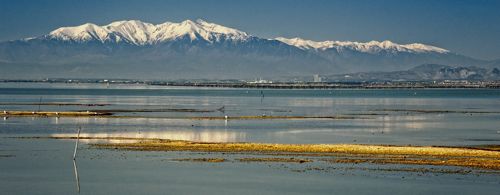
And to finish off a rather special day out, how about wine tasting at the Caveau du Château, Arnaud de Villeneuve, near the entrance, followed by a short drive to the oyster beds of Leucate? Some of freshest and plumpest oysters around, ideally accompanied by a chilled glass of crisp local white wine, will make your day!