
Why Cherries Could Cost More This Year in the Pyrénées-Orientales
Here in Maureillas, and the Roussillon in general, the cherry growers are worried.
After years of drought, the spring rain that finally arrived in the Pyrénées-Orientales has brought a different disaster: cherries swollen with water, split skins, rotting fruit and badly reduced harvests.
“It’s either not enough water or too much,” one local producer told P-O Life this week.
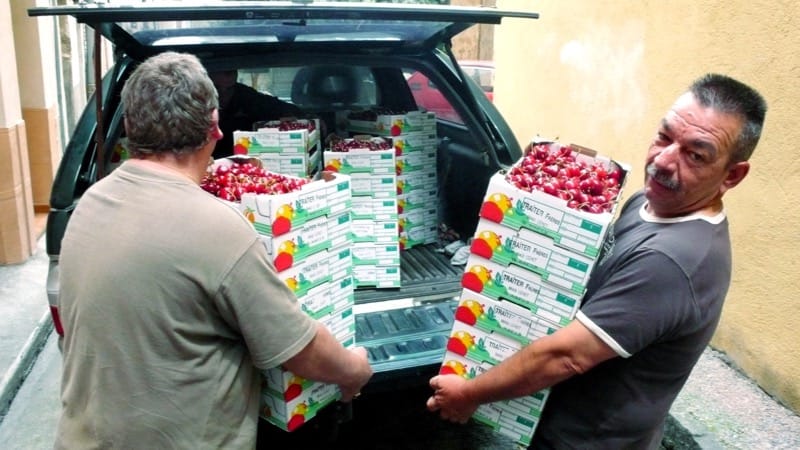
From Drought to Flooding: The Crisis Facing Cherry Growers in Roussillon
The story of the 2026 cherry season in the Roussillon is becoming another example of how climate instability is making fruit growing increasingly difficult in southern France.
For several years, the département has suffered severe drought. Reservoirs fell to historic lows, irrigation restrictions became common, and many fruit growers feared for the future of their orchards. Then, after two extremely dry years, the weather swung the other way.
Heavy and prolonged spring rains hit at exactly the wrong moment.
Cracked Cherries and Smaller Harvests Push Prices Higher in Roussillon
According to the regional agricultural authorities, excessive rainfall in March and spring storms caused significant damage to cherry orchards in the Pyrénées-Orientales, enough for compensation measures to be opened for growers.
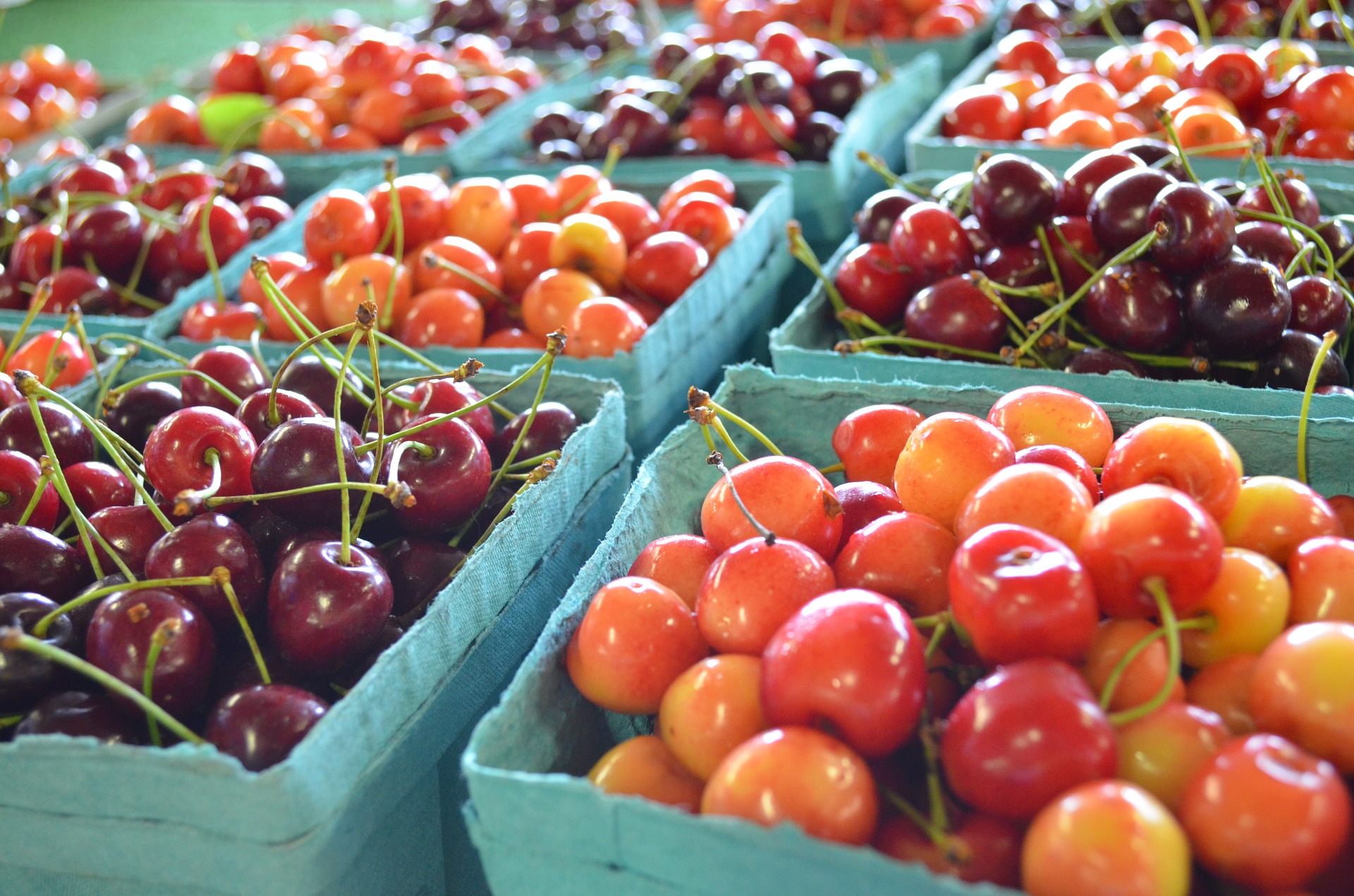
Cherry trees are particularly vulnerable close to harvest. When large amounts of rain fall after the fruit has matured, the cherries absorb water faster than the skin can stretch. The result is familiar to anyone who has looked closely at cherries after rain: splitting, cracking and rapid spoilage.
The phenomenon has been especially severe in the Roussillon’s early cherry varieties.
Last year, producers around Céret already described losses of up to 80% in some orchards after late spring downpours caused fruit to burst on the trees. Regional agricultural reports noted that “excess rain in May after two years of drought caused the fruit to split” and described the harvest in the Pyrénées-Orientales as “very small.”
Isn’t it Ironic?
The cruel irony is that the rain arrived after years when growers were desperately praying for water.
Drought weakens trees, reduces fruit size and stresses orchards over multiple seasons. Then, when heavy rain suddenly arrives, the fragile fruit cannot cope. Farmers increasingly speak about violent swings between extremes rather than stable seasons.
For consumers, the consequences are likely to appear quickly in shops and markets.
The Consequences
When harvest volumes fall, prices rise. Cherries are already one of the most delicate and labour-intensive fruits to produce. Damaged fruit must often be sorted by hand, and cracked cherries cannot travel or store properly. A grower may lose much of the crop even while the trees appear full.
National fruit industry reports warn that repeated climate-related losses across Europe are tightening supply and pushing prices upward.
That means the first French cherries of the season — traditionally a point of pride in the Roussillon, where some of France’s earliest cherries are grown — may become noticeably more expensive this year.
Some growers are now investing in expensive protective systems: plastic covers above orchards, rain shelters and new irrigation strategies designed to cope with increasingly unpredictable weather. But many smaller producers struggle to afford such changes.
The Times They Are a-Changing
For the Pyrénées-Orientales, the cherry has long been more than just a fruit. Around Céret and the Vallespir, the first cherries of spring are part of the region’s identity. Yet growers say the seasons no longer behave as they once did.
One year the trees thirst. The next year the cherries drown.
And increasingly, consumers are paying the price.