
Doggie Danger: A pain in the grass

If your dog suddenly starts shaking its head violently or pawing at its ear, it could be more than simple irritation. During spring and early summer in the Pyrénées-Orientales, dangerous grass seeds, especially foxtail barley, can become lodged in a dog’s ears, paws, eyes, nose, or skin.
If left untreated, these tiny seeds can lead to serious infections, abscesses, or even a perforated eardrum.
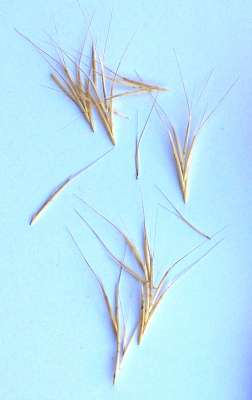
Take particular care where grass has been cut, and had time to dry.

Tiny Seeds, Big Problems
May and June are peak months for foxtail grasses in the region. Once the grass dries out, the sharp seeds detach easily and cling to fur, clothing, and skin.
These seeds may be small, but they are designed by nature to travel in only one direction: forward. That means once they penetrate fur or skin, they can continue burrowing deeper into the body.
Veterinary treatment can quickly become expensive — and in severe cases, surgery may be required.
Take particular care in areas where grass has recently been cut and left to dry.
What Is Foxtail Grass?
Foxtail is a common wild grass that can grow up to three feet tall. As it matures, it produces bushy seed heads resembling a fox’s tail — hence the name.
When dry, the seeds detach very easily and can become embedded in almost any part of a dog’s body.
Because the seeds are so small, vets often diagnose the problem based on symptoms alone.
Always brush and inspect your dog’s coat after being in grassy areas. Dogs with long hair are even more likely to attract the seeds than shorthaired breeds.
Examine your dog’s eyes and ears.
Warning Signs to Watch For
In the Nose
- Violent, repeated sneezing
- Rubbing the nose on the ground
- Bloody nasal discharge
In the Eye
- Excessive watering
- Pawing at the eye
- Eye glued shut or squinting
In the Ear
- Violent head shaking
- Pawing at the ear
- Tilting the head
- Signs of pain or distress
In the Mouth or Throat
- Gagging
- Difficulty swallowing
- Excessive drooling
Seeds can become trapped in the gums, tongue, throat, or between the teeth.
In the Paw or Under the Skin
- Swelling or painful lumps
- Persistent licking or biting
- Limping
- Sudden yelping for no obvious reason
Some dogs may also rub their heads along the ground or walk in circles.
How to Protect Your Dog
After walks in grassy areas:
- Brush your dog thoroughly
- Check between the toes
- Inspect ears and eyes carefully
- Look under the coat for swelling or irritation
Long-haired dogs are especially vulnerable because the seeds cling more easily to their fur.
If you suspect a foxtail seed has become lodged anywhere, contact your vet quickly. The sooner it is removed, the less risk of complications.