
January 2026
France’s Housing Market in 2026 with Emphasis on What It Means for Retirees and Second-Home Buyers
France’s housing market is entering 2026 in a calmer, more cautious phase.
According to a recent survey of notaires, activity improved slightly in autumn 2025 but slowed again at the end of the year. Prices are mostly stable, fewer properties are being sold, and buyers are taking more time before deciding.
This slowdown is partly seasonal. However, it also reflects wider uncertainty. Political tensions in France, delays over the national budget, and international instability are encouraging many households to wait.
Priscille Caignault, from the Conseil supérieur du notariat, explains that the market began to recover at the end of 2024 and continued through 2025. However, confidence remains fragile. People still want to own property, but they prefer to wait for a stable political and economic situation.
Guillaume Martinaud, president of Orpi, shares this view. He notes that political and geopolitical uncertainty since autumn 2025 is already affecting buyer confidence.
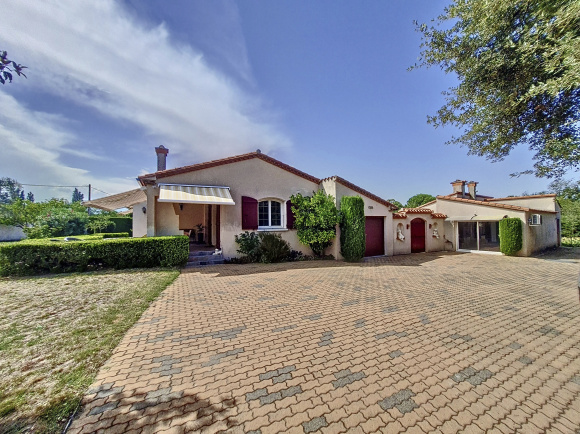
Occitanie: Still Popular, but More Thoughtful Buying
In Occitanie, the market reflects the national picture.
The region remains attractive thanks to its climate, lifestyle, and relatively good value compared with some other parts of southern France. Areas around Toulouse and Montpellier continue to benefit from population growth and jobs, while coastal and rural areas appeal strongly to retirees and second-home buyers.
However, buyers are more careful. Negotiations are firmer, and decisions take longer. Many projects are delayed rather than cancelled, especially where buyers do not need to move immediately.
Focus on the Pyrénées-Orientales
The Pyrénées-Orientales remains especially popular with pre-retirees, retirees, and second-home buyers. The area offers a mild climate, the Mediterranean coast, vineyards, and easy access to Spain. Prices are generally lower than on the Côte d’Azur, which continues to attract buyers looking for long-term value and quality of life.
That said, the market is very price-sensitive. Well-priced properties still sell, but homes that are too expensive often stay on the market for longer. Buyers compare carefully and negotiate firmly.
Second-home purchases have slowed more than primary homes. Higher interest rates and rising running costs mean many buyers are choosing to wait, especially those planning occasional rather than regular use.
Energy efficiency is also important. Older properties with poor energy ratings are harder to sell unless the price reflects renovation costs. Homes that are well insulated or require little work are more attractive, particularly for retirees who want predictable expenses.
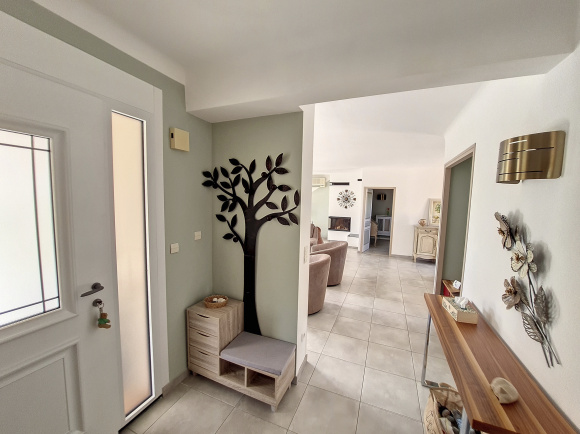
Savings Are High, But Spending Is Careful
French households remain financially strong. Total household savings now stand at €6.43 trillion. Around 60% is held in regulated savings accounts and life insurance. The savings rate is close to 20%, one of the highest in Europe.
This means many buyers have funds available. However, they prefer to keep savings intact until interest rates and political conditions feel clearer.
Interest Rates Limit Moves
Interest rates remain the main obstacle. In France, mortgage loans cannot be transferred. Anyone buying a new property must repay their existing loan and take out a new one.
People who bought between 2016 and 2022 often borrowed at very low rates of 1% to 1.5%. Moving today would mean borrowing again at around 3% to 3.5%, with much higher monthly payments. As a result, fewer people are moving home. This limits supply and keeps the market cautious, including in Occitanie and the Pyrénées-Orientales.
What to Expect in 2026
Most notaires believe 2026 will be a year of consolidation rather than growth.
- 58% expect prices to fall
- 40% expect prices to remain stable
- 2% expect prices to rise
If the 2026 budget is adopted and interest rates stabilise, some delayed projects may restart. Until then, confidence remains fragile.
For retirees and second-home buyers, the market offers opportunities — but patience and careful selection are essential.
Practical Advice for Retirees and Second-Home Buyers
Before buying in the Pyrénées-Orientales or elsewhere in France:
- Check residency rules carefully
If you are not an EU resident, you may usually stay no more than 90 days in any 180-day period in your French second home under Schengen rules. - Budget for full ownership costs
Include local property taxes, service charges, insurance, maintenance, and energy costs. - Pay close attention to energy ratings (DPE)
Poor ratings can mean higher bills and future renovation obligations. - Negotiate confidently
In the current market, sensible offers on correctly priced properties are often well received. - Plan for long-term use
Think ahead about mobility, access to healthcare, and ease of living as you age.
In 2026, the French housing market — especially here in Occitanie and the Pyrénées-Orientales — rewards careful buyers. The lifestyle appeal remains strong, but confidence, clarity, and realistic pricing matter more than ever.
WE ARE NOT PROPERTY EXPERTS. THIS ARTICLE IS PUT TOGETHER USING RELIABLE SOURCES.
VISIT THE ESTATE AGENTS WHO SUPPORT P-O LIFE AND MAKE IT POSSIBLE TO BRING YOU THE LATEST NEWS IN OUR WEEKLY NEWSLETTER