
The European Commission has announced plans to modernise Europe’s visa system — including proposals for longer-validity, multiple-entry visas for “trusted travellers.”
The initiative forms part of a broader effort by the European Union to strengthen border security while making travel easier for legitimate visitors such as business travellers, property owners, students and frequent tourists.
For many non-EU nationals — particularly those travelling regularly to countries like France — the changes could significantly reduce paperwork and uncertainty.
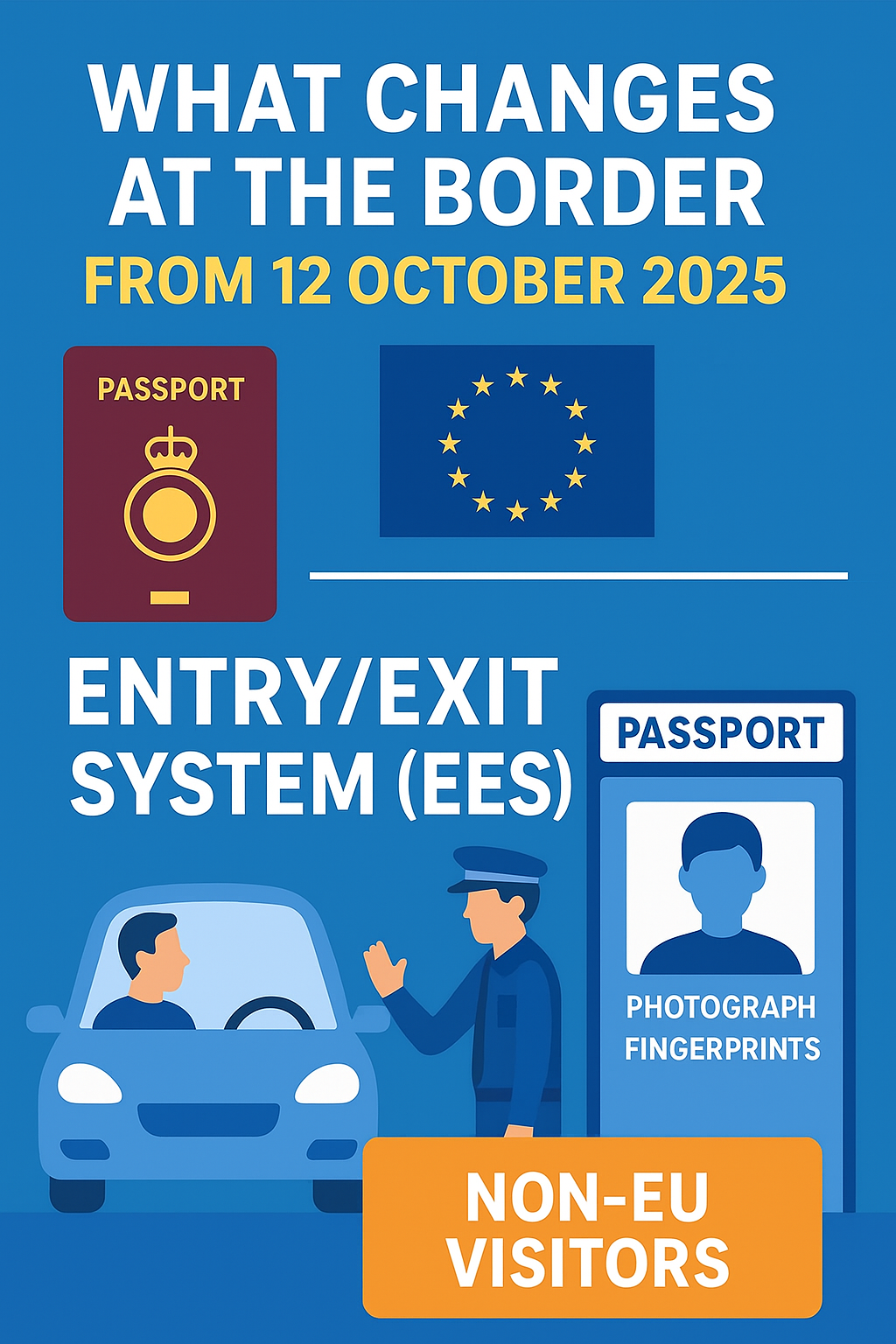
What is being proposed?
The Commission wants to introduce smarter digital visa tools and improve coordination between border databases by 2028, allowing authorities to verify traveller information more quickly and accurately.
Key proposals include longer-term multiple-entry visas for travellers with a strong compliance history, better data-sharing between member states, interconnected border IT systems to prevent fraud and visa abuse and faster processing for low-risk visitors
The goal is simple: tighten security while smoothing the travel experience for trusted applicants.
Who qualifies as a “trusted traveller”?
Although final details are still evolving, EU visa policy already allows for progressively longer visas when travellers demonstrate a positive track record — meaning they respect visa conditions, avoid overstays, maintain clean entry records and show financial stability. In many cases, visa validity can increase step-by-step, potentially reaching up to five years.
For frequent visitors, this could eliminate the need to reapply before every extended trip.
Why the EU is making this change
Europe faces a delicate balancing act: remaining attractive to global talent while maintaining strong external borders. The reforms aim to encourage skilled workers and international students, support business mobility, promote tourism, reduce administrative workload and strengthen migration control
In short, the EU is moving toward a data-driven border model — one that rewards reliability.
What it could mean for British and American travellers
Since the UK is no longer part of the EU, British citizens who spend significant time in Europe — for example second-home owners or long-stay visitors — may benefit from fewer visa applications if they qualify as trusted travellers.
The same applies to Americans who travel frequently for work, lifestyle, or extended holidays.
Potential advantages include:
- Less bureaucracy
- Greater flexibility when planning trips
- More predictable long-term travel
- Reduced renewal costs
For expats and regular visitors, the proposal signals a shift toward easier repeat travel rather than stricter blanket controls.
Part of a bigger digital border overhaul
The visa reform is just one element of a wider transformation of EU border management, with automation and shared databases expected to play a much larger role in the coming years.
Travellers should expect borders to become more digital, automated and security-focused, and therefore potentially faster for low-risk passengers – a future where Europe remains open — but smarter about who it welcomes.
If adopted, longer-term multiple-entry visas could represent one of the most traveller-friendly policy shifts in years, particularly for expats and frequent visitors who already comply with the rules.
Basically, if you build a trusted travel history, it should make it easier to keep coming back.