
A Little Ass or a Load of Bull?
The Catalan Donkey and the Osborne Bull: The Story Behind Two Iconic Symbols
Why is the donkey the symbol of French and Spanish Catalonia, while the bull has become the unofficial emblem of Spain?
Anyone who has driven along Spain’s major roads has probably spotted one: a giant black silhouette of a bull, standing proudly on a hilltop against the skyline. These striking figures were originally erected in 1956 by the Osborne company to advertise its Veterano brandy. They were so successful that the Osborne Bull became one of the country’s most recognisable landmarks.

Years later, changes to Spanish road advertising laws required roadside advertisements to disappear. The famous bulls seemed destined for removal too. However, by then they had become far more than advertising hoardings. Public opinion and court rulings recognised them as part of Spain’s cultural landscape, so they were allowed to stay—provided the Osborne name was removed. Today, around ninety of these towering silhouettes still overlook Spain’s roads, serving as unexpected pieces of public art as much as symbols of national identity.
The bull soon found its way onto car stickers, T-shirts and souvenirs, where it came to represent Spanish pride, even though it has never been an official national emblem.
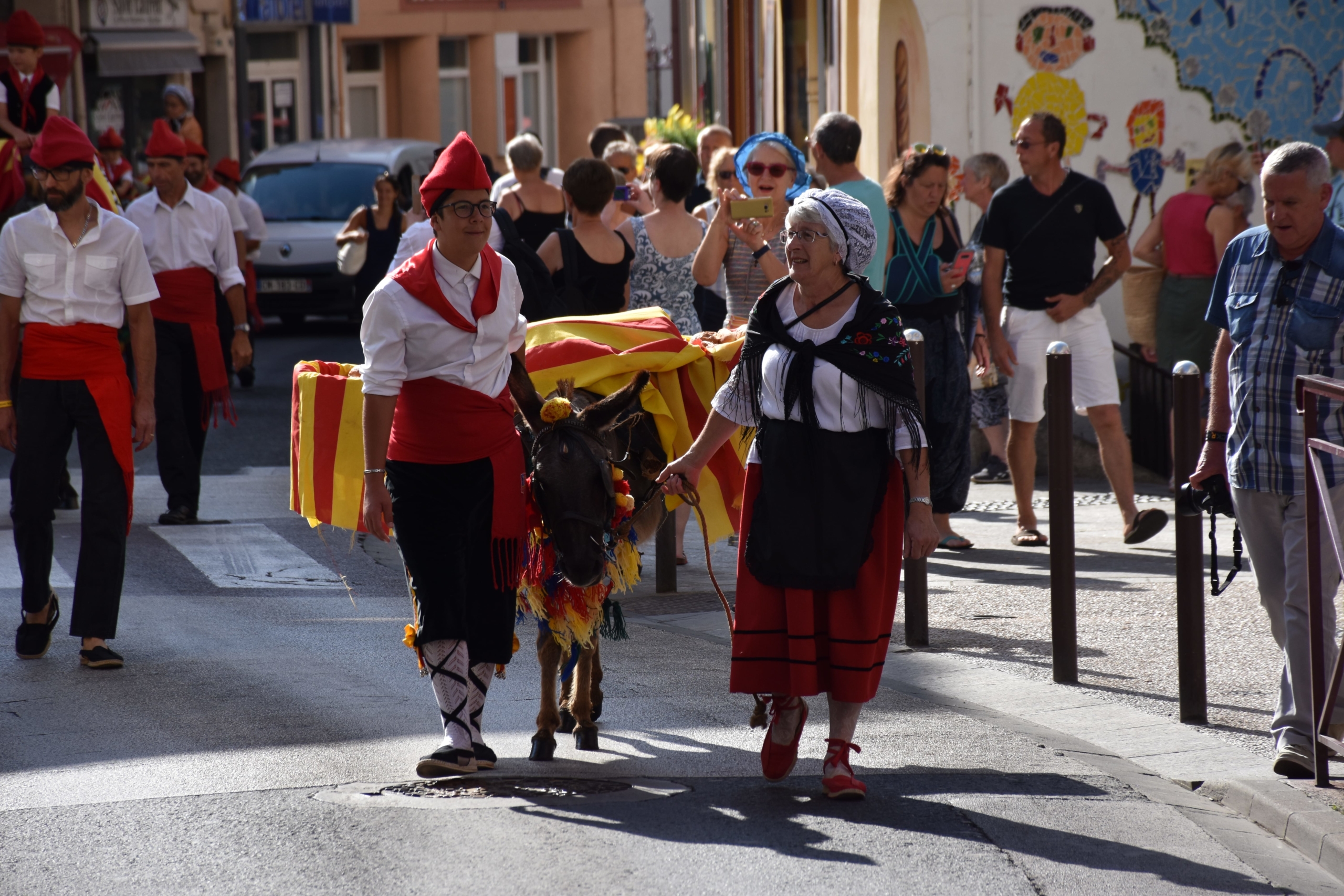
Catalonia responded with a smile. In the early 2000s, the burro català—the Catalan donkey—appeared on cars and merchandise as a light-hearted alternative to the bull. Rather than celebrating brute strength, the donkey symbolises qualities that many Catalans admire in themselves: determination, resilience, hard work and quiet independence. It is equally unofficial, but for many it expresses a distinct Catalan identity with a touch of humour.
So, whether your loyalties lie with the mighty bull or the humble donkey, both tell an intriguing story. One began life as an advertising campaign that became a national icon; the other as a witty cultural response that grew into a symbol of regional pride. Together, they remind us that sometimes the most enduring national symbols are not created by governments at all, but by the people who embrace them.