
Ticks: blood sucking parasites
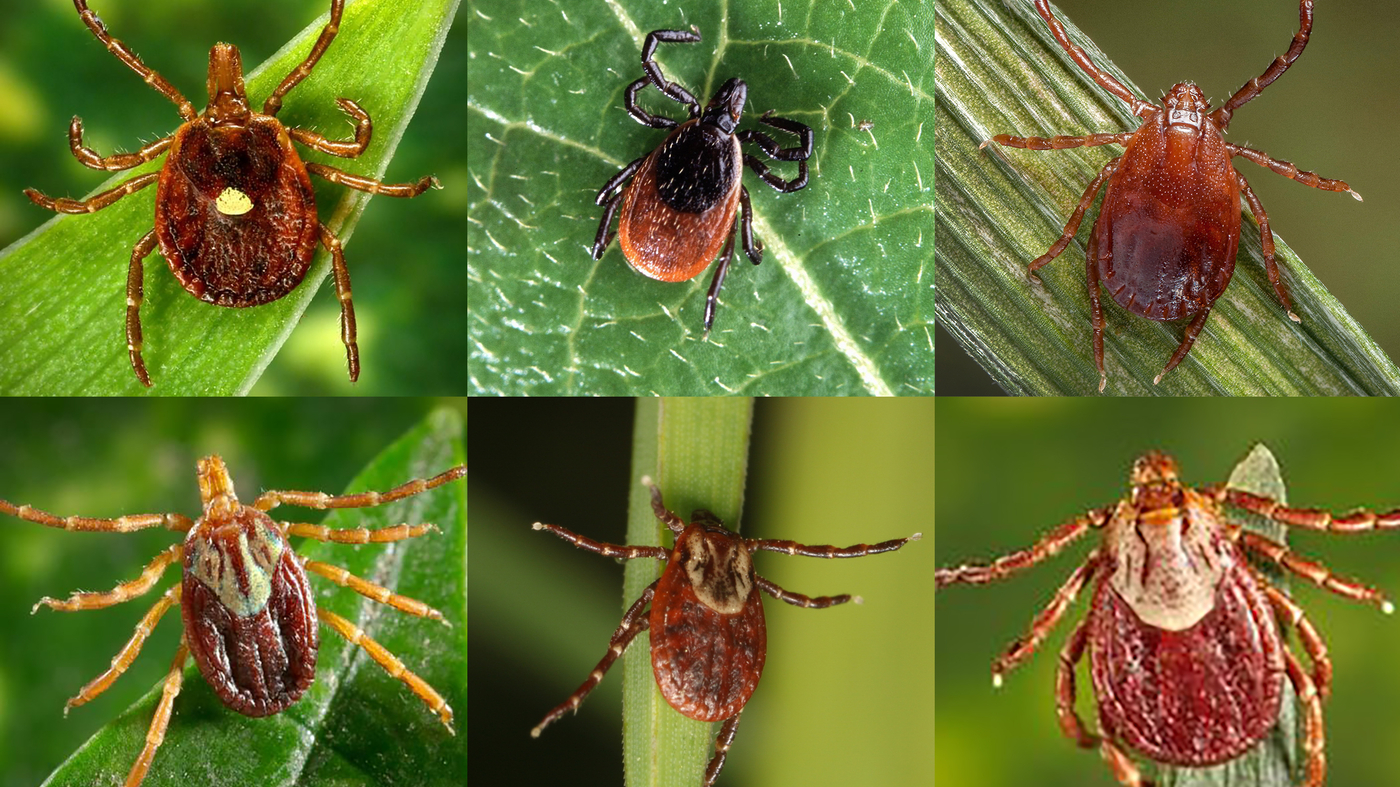
Ticks are not insects, but small blood-sucking parasites closely related to spiders. They live in woodland, grassy areas, and gardens.
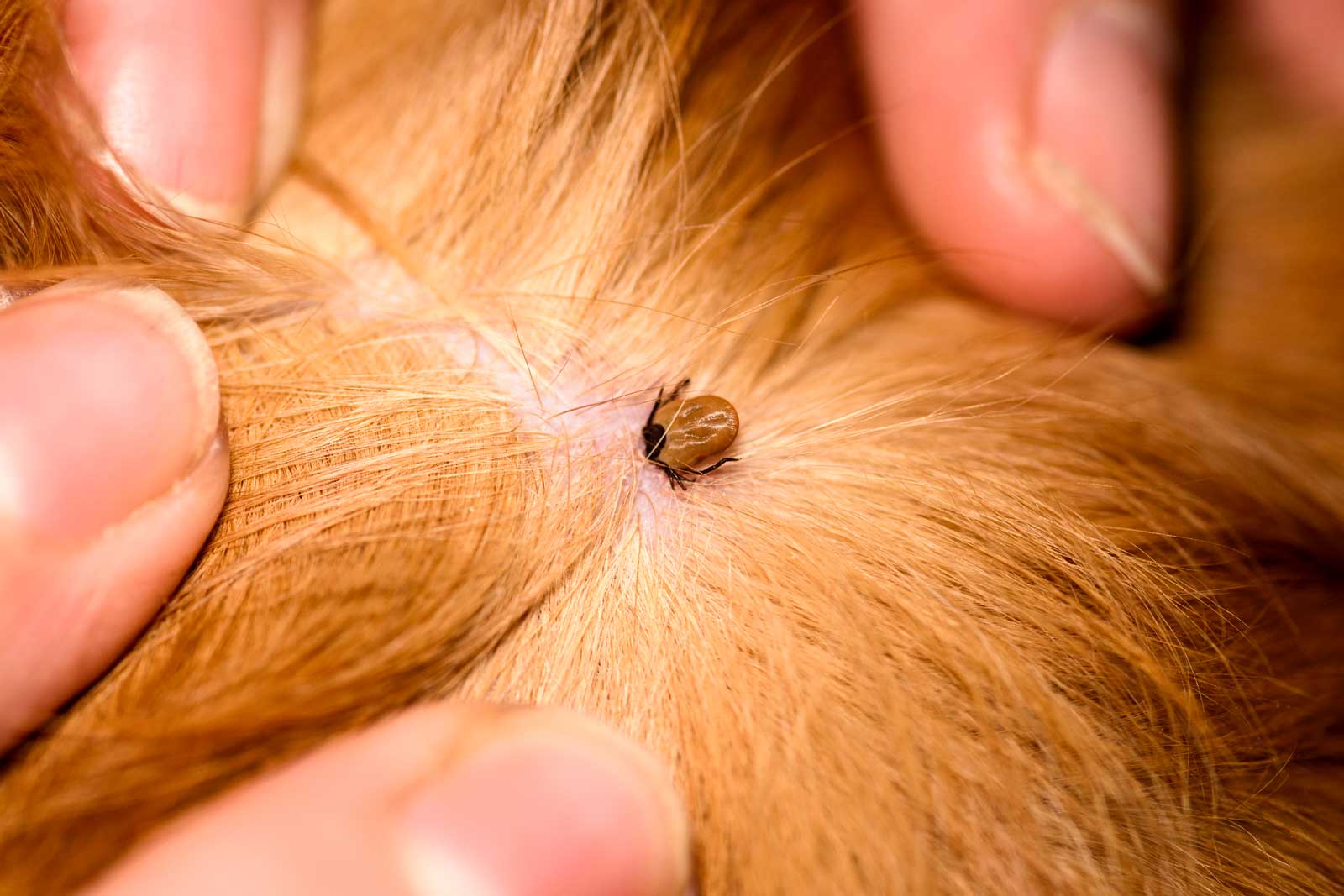
Ticks feed on the blood of birds and mammals, including humans and dogs. They are often found in tall grass, where they wait at the tip of a blade to attach themselves to a passing animal or person — a behaviour known as “questing.”
Once attached, a tick may remain on its host for several days. When feeding, it pierces the skin, inserts its mouthparts, and slowly draws blood. After becoming fully engorged, the tick will usually drop off naturally.
Ticks are irritating and uncomfortable for dogs and can transmit serious diseases if not removed promptly.
Preventing Tick Infestations
Regular grooming and examination of pets — especially dogs — is strongly recommended. Check carefully around:
- Ears
- Eyes
- Neck
- Between toes
- Under collars
Frequent cleaning of pet bedding is essential. Infested bedding should be washed at high temperatures or disposed of safely. The area around your pet’s sleeping space should also be thoroughly treated if an infestation is suspected.
Preventive treatments such as Frontline can significantly reduce the risk of tick bites.
How to Remove a Tick Safely
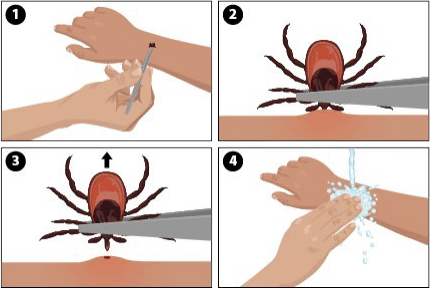
Ticks should be removed carefully and slowly.
- Use fine-tipped tweezers or a special tick removal tool (available at most pharmacies).
- Grasp the tick as close to the skin as possible, where the mouthparts enter.
- Pull straight upward with steady, even pressure.
- Do not twist or jerk the tick.
After removal, a small amount of tissue may be visible attached to the mouthparts — this is normal.
Important:
- Do not squeeze the tick’s body.
- Do not burn the tick.
- Do not apply chemicals, oils, or petroleum jelly to force removal.
Improper removal can leave mouthparts embedded in the skin, potentially leading to infection.
If a tick is removed from a human, it is advisable to keep it in a sealed container in case symptoms develop later.
Lyme Disease and Other Tick-Borne Illnesses
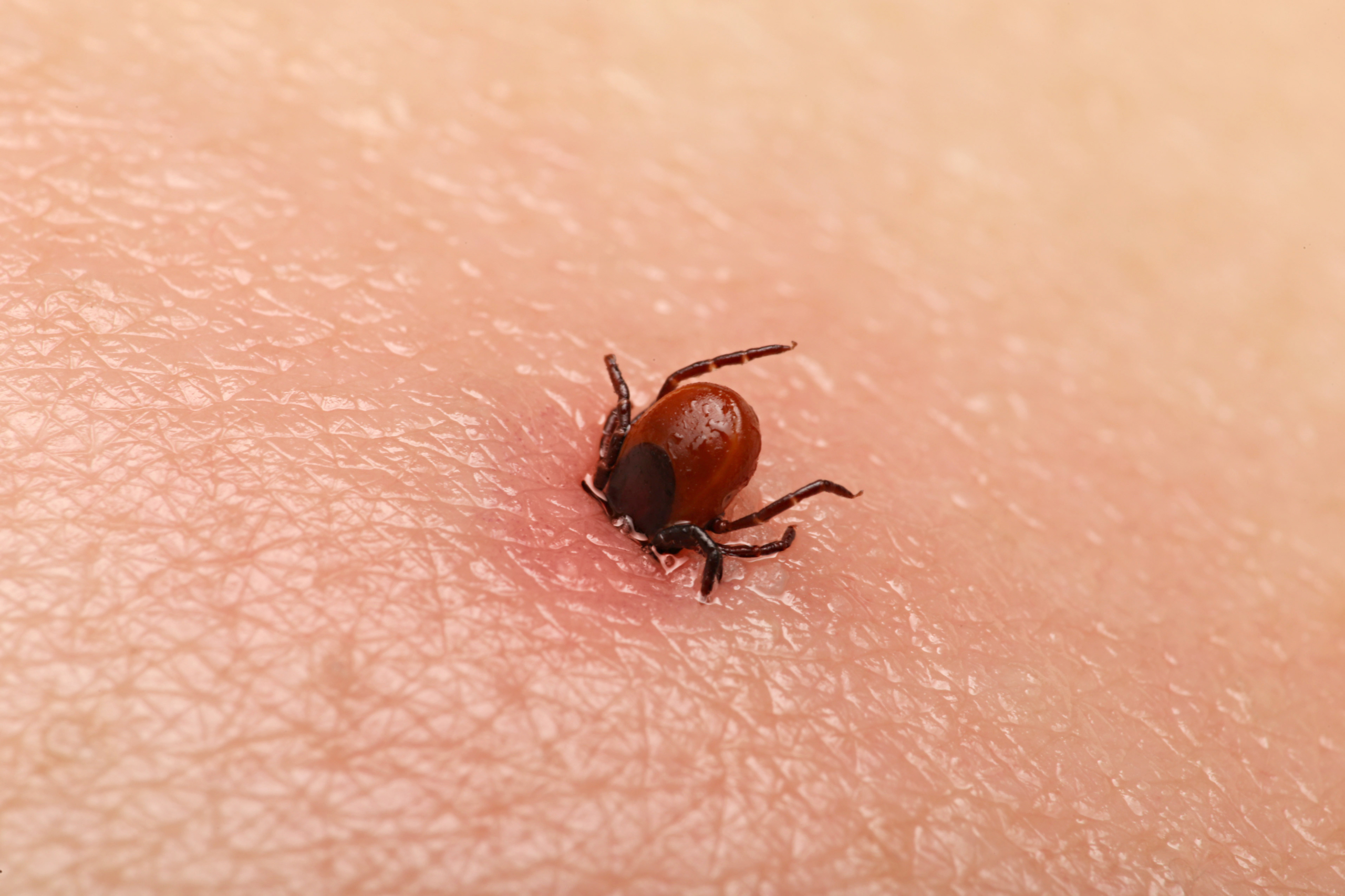
Ticks can transmit several diseases, including Lyme disease, a bacterial infection spread by infected ticks.
Only a small percentage of ticks carry the bacteria that cause Lyme disease, so a tick bite does not automatically mean infection. However, early detection is important.
Common early symptoms of Lyme disease include:
- A circular or “bull’s-eye” rash around the bite
- Flu-like symptoms
- Fatigue
- Headache
The earlier Lyme disease is diagnosed, the easier it is to treat. If you develop a rash or flu-like symptoms after a tick bite, consult a doctor promptly.
Ticks can also transmit other illnesses such as typhus, hemorrhagic fever, and certain forms of encephalitis, although these are less common depending on geographic region.
A Close Encounter with Ticks – A Reader’s Experience
 When the winter ended I decided I liked the rustic look of the log basket containing a few logs and so I kept it in my living space.
As the warmer weather came I began to notice tiny little bugs trundling around the floor, but I paid no attention to them!
One evening I was giving my very old dog a cuddle and as I did numerous bugs started falling from his fur onto my lap; closer inspection revealed that there were a number of them embedded in his ears and around his eyes – it was then I realised that he was infected with ticks.
Two nights in succession I sprayed his bed with a pesticide and the following mornings there were in excess of 30 dead ticks in and around his bed. At this point I felt slightly alarmed by the sheer quantity of them and began to search for the source.
I checked an opened bag of plaster (close to my dog’s bed) and as I unfolded the top a cascade of ticks flew out in all directions. Essentially these creatures had taken up residence next to a fast food outlet (my poor old dog).
By this point I was feeling more than a little paranoid. Quite by chance the log basket became the focus of my attention! I picked up a log and knocked it on the floor and an enormous quantity of ticks fell out.
It took a considerable time before my home was tick free. I found them in all sorts of strange place: in the folds of clean linen, between the pages of books, in drawers and cupboards. Apparently they are able to sense danger and can hide away until the danger has passed.
If a tick feeds on an infected host there is a real possibility that it will transfer the disease to its new host; diseases include Lyme disease, typhus, hemorrhagic fever and a form of encephalitis.”
Frontline is overpriced, overadvertised, and messy…there are better and cheaper alternatives., I use Seresto collar. ..no adverse reactions. I tried Scalibor collar but local ticks seemed to ignore it.