
DID YOU KNOW – LES SAPEURS-POMPIERS
The word ‘pompier’ comes from the verb ‘pomper’ (to pump), referring to the manual fire pumps that were originally used at fires. ‘Sapeur’ probably comes from ‘saper’ meaning to undermine or destroy, as early firefighters often had little choice but to knock down whole buildings to stop a fire advancing.
French Fire & Emergency Vocabulary: Essential Words and Phrases
The French fire brigade, les sapeurs pompiers, are not just called out for fires. Trained and equipped to deal with medical emergencies, they are very often the first responders to be called for both road and domestic emergency medical situations.
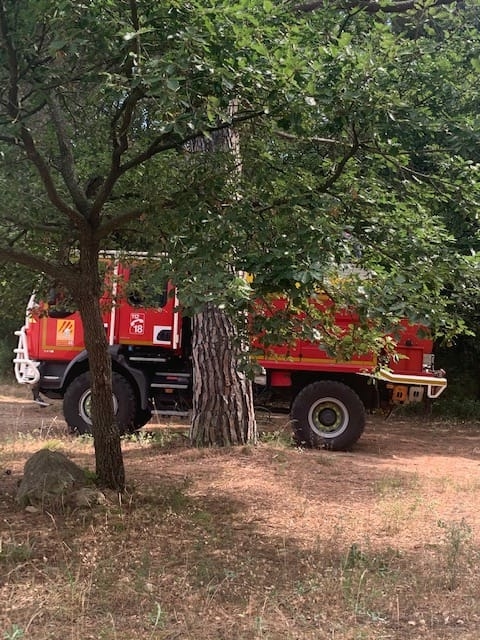
Of France’s roughly 250,000 firefighters, only around 40,000 are full-time professionals (sapeurs-pompiers professionnels or SPP). The vast majority are volunteer firefighters (sapeurs-pompiers volontaires or SPV), who receive only modest allowances rather than a regular salary, yet are on the front line whenever fires, accidents or other emergencies occur. It is worth remembering this the next time you are asked to support a local firefighters’ event or buy the annual firefighters’ calendar.
In smaller communes, the emergency sirens of the ‘réseau national d’alerte’ ( RNA) blast out in short sequences to alert volunteer firemen to man their posts for fire or accident. However, most towns now use the more modern and somewhat quieter system of the beeper on the belt!
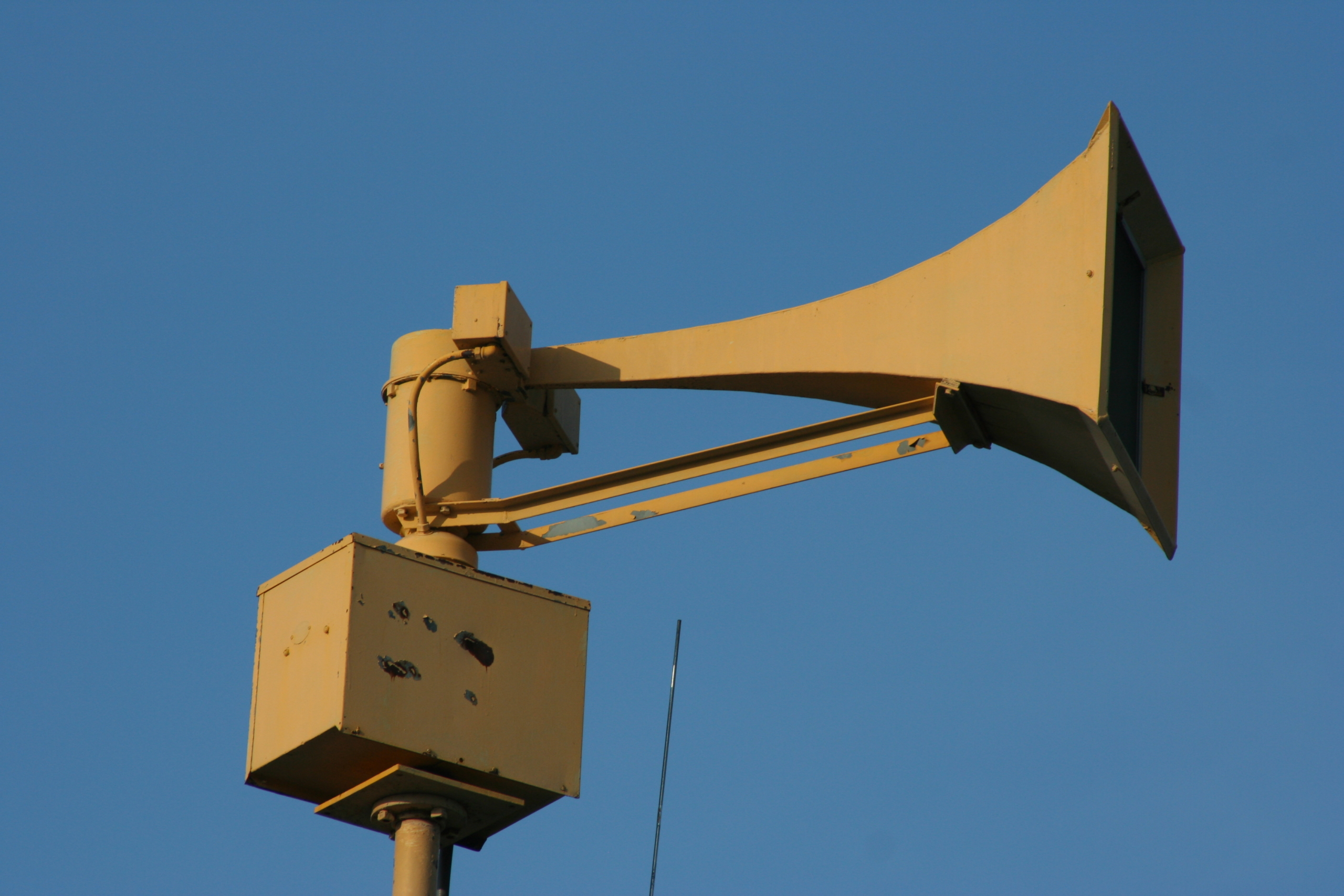
Don’t panic though if you still hear the regular air raid sounding racket, as this national network of 4,500 sirens is tested out for one minute on the first Wednesday of each month at midday. DO panic if you hear the siren sound in three sequences of 1 minute each, separated by a silence of five seconds. This warns of imminent and major catastrophe.
Essential Fire Emergency Vocabulary
English | French |
|---|---|
Fire | un incendie / un feu |
Forest fire | un feu de forêt |
Wildfire | un incendie de forêt |
Smoke | la fumée |
Flames | les flammes |
Sparks | des étincelles |
Embers | des braises |
Ashes | les cendres |
Firefighter | un pompier |
Fire brigade | les pompiers |
Fire engine | un camion de pompiers |
Emergency services | les services de secours |
Emergency number | le numéro d’urgence |
Evacuate | évacuer |
Evacuation | une évacuation |
Danger | le danger |
Emergency | une urgence |
Injured person | un blessé / une blessée |
Burn | une brûlure |
Trapped | coincé / bloqué |
Safe | en sécurité |
Useful phrases (Remember, the fire service is not just called out for fires but other emergencies too)
- Help – Au secours! It’s an emergency – C’est un cas d’urgence
- I need an ambulance – J’ai besoin d’une ambulance
- I‘ve had an accident – J’ai eu un accident
- The house/car is on fire – La maison/voiture a pris feu
- My husband has had a heart attack/stroke – Mon mari fait une crise cardiaque/a souffert un AVC (accident vasculaire cérébral – pronounced ai vai cai)
- My child is choking – Mon enfant s’étouffe.
- I’m bleeding – Je saigne beaucoup.
- I’m diabetic, I need insulin – Je suis diabétique, j’ai besoin d’insuline.
- My wife is having the baby, her water has broken – Ma femme accouche, le bébé arrive, la poche des eaux a percé.
- There is a fire. → Il y a un incendie.
- There is a forest fire. → Il y a un feu de forêt.
- I can see smoke. → Je vois de la fumée.
- I can see flames. → Je vois des flammes.
- The fire is spreading. → Le feu se propage.
- The wind is very strong. → Il y a beaucoup de vent.
- People are trapped. → Des personnes sont bloquées.
- We are evacuating. → Nous évacuons.
Fire Prevention Vocabulary
English | French |
|---|---|
Brush clearing | le débroussaillement |
Dry vegetation | la végétation sèche |
Undergrowth | les broussailles |
Scrubland | la garrigue |
Woodland | le massif forestier |
Firebreak | une coupe-feu |
Fire risk | le risque incendie |
Fire danger level | le niveau de risque |
Burning ban | l’interdiction de brûlage |
Garden waste | les déchets verts |
Controlled burn | un brûlage dirigé |
Drought | la sécheresse |
Heatwave | la canicule |
Strong winds | les vents violents |
Understanding Fire Behaviour
English | French |
|---|---|
Fire front | le front de flamme |
Fire flank | le flanc du feu |
Fire spread | la propagation du feu |
Spot fire | une saute de feu |
Crown fire | un feu de cime |
Surface fire | un feu de surface |
Smouldering fire | un feu couvant |
Fire hotspot | un point chaud |
Rekindling | une reprise de feu |
Ember attack | une projection de braises |
The DFCI glossary defines a saute de feu as a new ignition caused by embers or burning debris being carried ahead of the main fire front.
Firefighter Operational Terms
These are the terms you often hear on French news reports:
French | English Meaning |
|---|---|
Feu fixé | Fire no longer advancing |
Feu circonscrit | Fire contained within a perimeter |
Feu maîtrisé | Fire under control |
Feu éteint | Fire extinguished |
Noyage | Mopping-up / soaking hotspots |
Reprise de feu | Rekindling |
Contre-feu / feu tactique | Backburn / tactical fire |
The official sequence is generally:
feu fixé → feu circonscrit → feu maîtrisé → feu éteint.
Aircraft and Equipment
English | French |
|---|---|
Water bomber | un avion bombardier d’eau |
Canadair | un Canadair |
Firefighting helicopter | un hélicoptère bombardier d’eau |
Water drop | un largage d’eau |
Fire hose | un tuyau d’incendie |
Water tanker | un camion-citerne |
Fire extinguisher | un extincteur |
Water reservoir | une réserve d’eau |
Particularly Useful on the Phone
If someone is reporting a fire, these are probably the most valuable:
English | French |
|---|---|
Where is the fire? | Où est le feu ? |
What is burning? | Qu’est-ce qui brûle ? |
Is anyone injured? | Y a-t-il des blessés ? |
Is the fire spreading? | Le feu se propage-t-il ? |
Can you see flames? | Voyez-vous des flammes ? |
Can you see smoke? | Voyez-vous de la fumée ? |
Are you in danger? | Êtes-vous en danger ? |
Leave immediately | Évacuez immédiatement |
Stay calm | Restez calme |
The firefighters are on their way | Les pompiers sont en route |
Am a professional firefighter, with professional knowladge in confined space rescue, firefighting, emergency response and rescue in open and structural fire, road accident rescue among others.graduate under police fire brigade am ready to join you how can I.
Thank you in advance for the positive feedback.
Weiting ibrahim
I will appreciate