
Thousands of These Sea Creatures Are Washing Up on Beaches in the Pyrenees-Orientales — And They Smell Bad
For the past few days, beaches in the Pyrénées-Orientales and parts of South Catalonia (Spain) have been covered with thousands of small blue marine creatures. The animals are called velella, and while the sight may look alarming, it is actually a natural and fairly well-known coastal phenomenon.
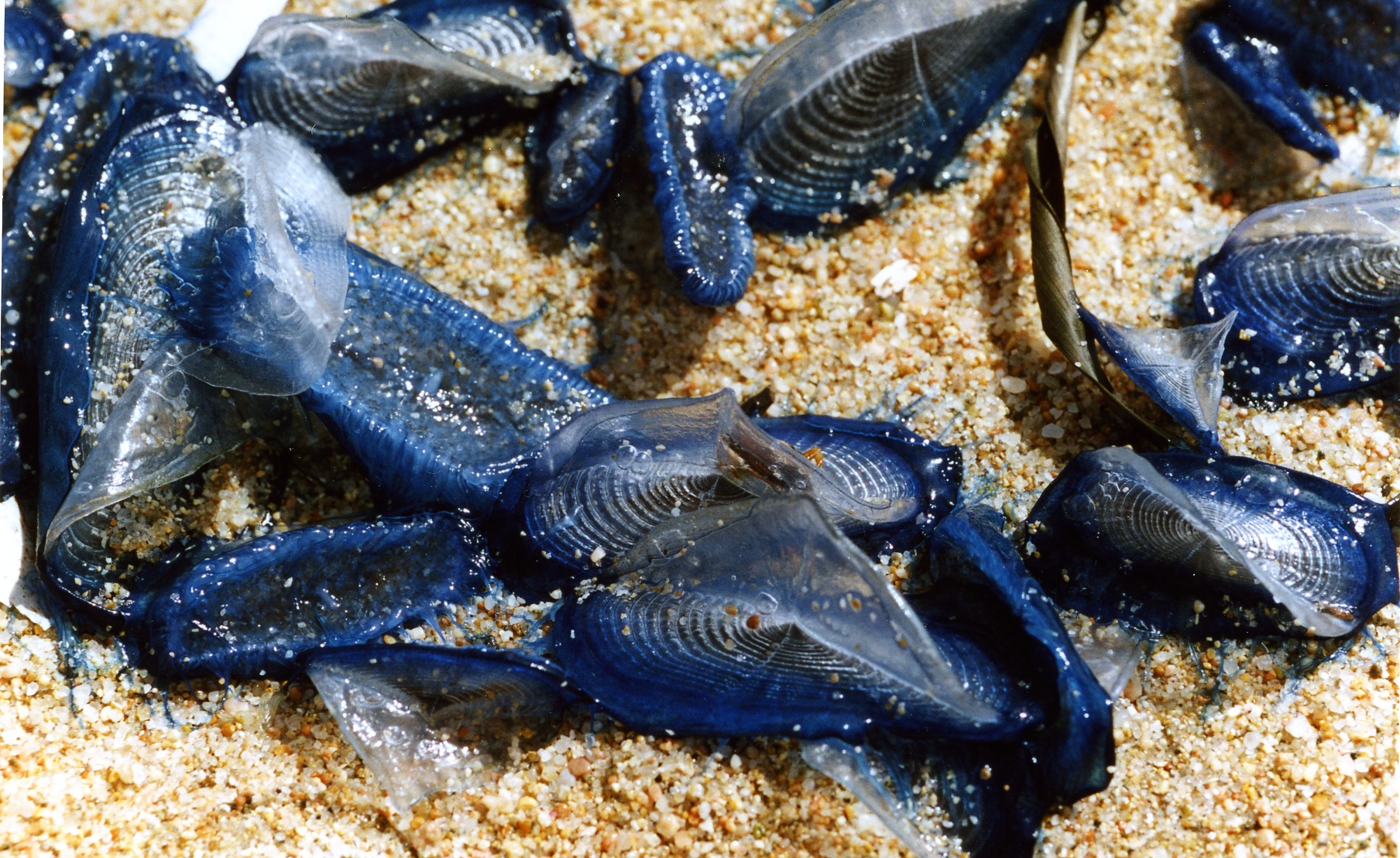
What may bother beachgoers most is not danger, but the smell. Once these organisms wash ashore and begin to decompose, they can produce a strong and unpleasant odour.
What are velella?
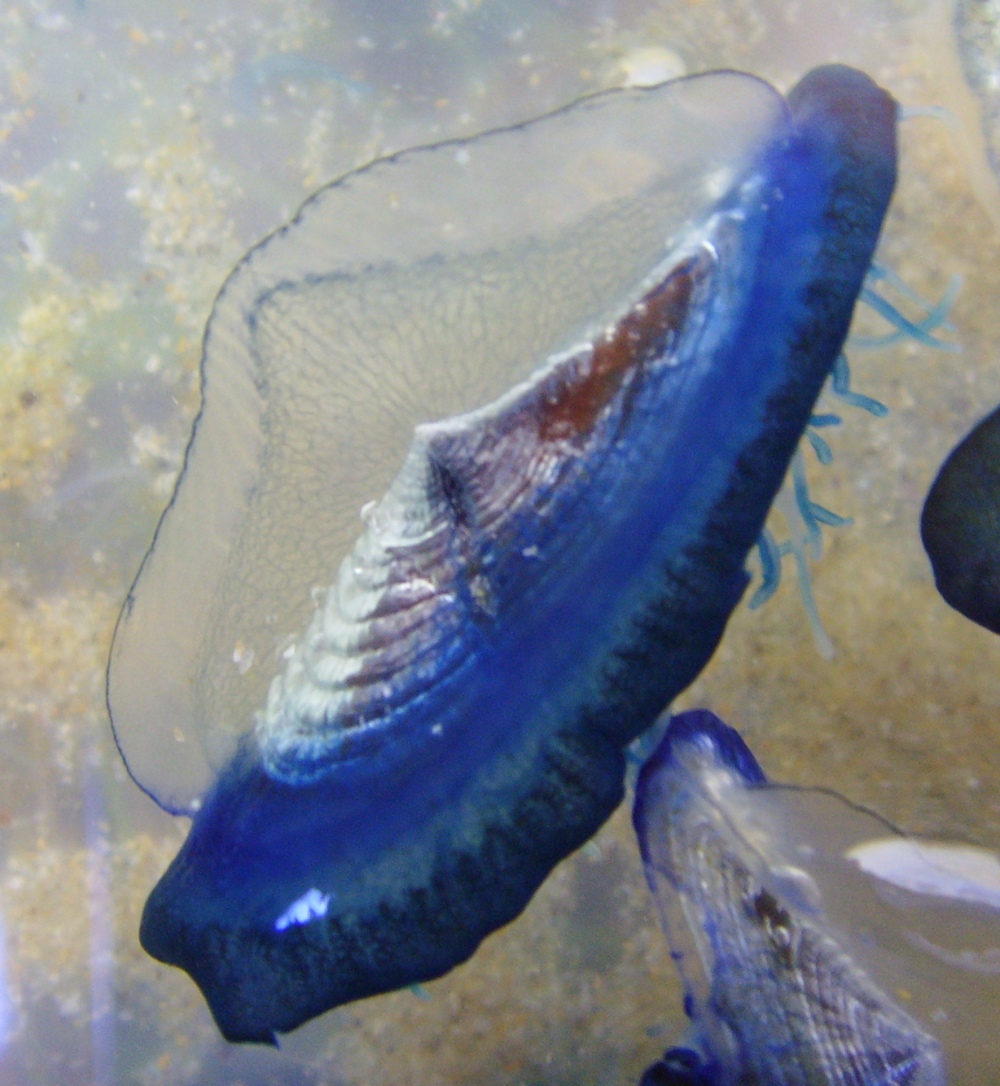
Velella, also known as Velella velella or the “by-the-wind sailor”, are often mistaken for jellyfish. In fact, they are not true jellyfish. They belong to a group of marine animals called hydrozoans.
Each velella is not a single animal, but a colony of specialized polyps working together as one organism. It floats on the surface of the sea thanks to a small oval disc topped by a tiny rigid sail. That sail allows it to drift across the water with the wind, which explains both its common name and why large numbers can suddenly appear on beaches.
Why are they washing up now?
Mass strandings of velella usually happen when winds and currents push them toward the coast. This is especially common in spring and early summer, although it can happen at other times too depending on weather conditions.
In recent days, people have reported seeing them on beaches in places such as Argelès-sur-Mer in France and Sant Martí d’Empúries in Catalonia. Similar events have also happened before in the region, including in Sainte-Marie-la-Mer two years ago.
These strandings are not unusual in the Mediterranean, and they are also seen on the Atlantic coast and in other parts of the world.
Are they dangerous?
The good news is that velella are harmless to humans. Unlike some jellyfish, they do not pose a real threat to swimmers or people walking on the beach.
That said, experts still advise caution after handling them. It is best to wash your hands and avoid touching your eyes or mouth. Some sensitive people, especially children, may develop mild irritation.
Why do they smell so bad?
Once stranded on the sand, velella begin to dry out and decompose naturally. As this happens, they can release a bad smell that may become difficult to tolerate in large quantities.
After decomposition, some transparent remains are left behind. These can look a bit like plastic or cellophane, even though they are natural remains from the organism.
So while the beaches may look unusual and smell unpleasant for a while, the event itself is not considered worrying.
Did you know?
- Velella are sometimes called tiny natural sailboats. Their little sail helps them travel across the ocean surface with the wind.
- They come in different “sailing” directions. Some have sails angled one way, others the opposite way. This helps reduce the risk of entire populations being pushed onto the same coastline.
- They are related to other strange floating animals. Although harmless, they belong to the same wider group as more famous surface-drifting creatures such as the Portuguese man o’ war.
- They may be appearing more often than in the past. In the 19th century, large outbreaks were considered rare. Today, they seem to be reported more regularly in different parts of the world. Some experts believe climate change and warming seas could be one possible reason, although the exact causes are still being discussed.
A natural but impressive sight
Seeing thousands of blue-purple velella scattered across the sand can be surprising, especially for people who have never encountered them before. But this is a natural marine phenomenon, not a pollution event or a dangerous invasion.
For now, the main impact is visual — and olfactory. In other words, they are fascinating to look at, but perhaps not so pleasant to smell.