
Online Scams (THESEE, PHAROS, etc.) — What you need to know
No matter how sharp and shrewd we think we are concerning Internet scams, there is more and more cyber-crime on the web today and it isn’t only the gullible who get caught.
Unfortunately, France has a very high rate of online fraud attempts.
Much of it is well presented and relevant to our everyday lives eg you’re waiting for a parcel – you receive a mail or text from the delivery company. You were expecting it so you are less likely to be suspicious. Gone too are the days of easy-to-identify badly laid out, poor spelling and grammar messages.
Here are the most common cyber-crime scams:
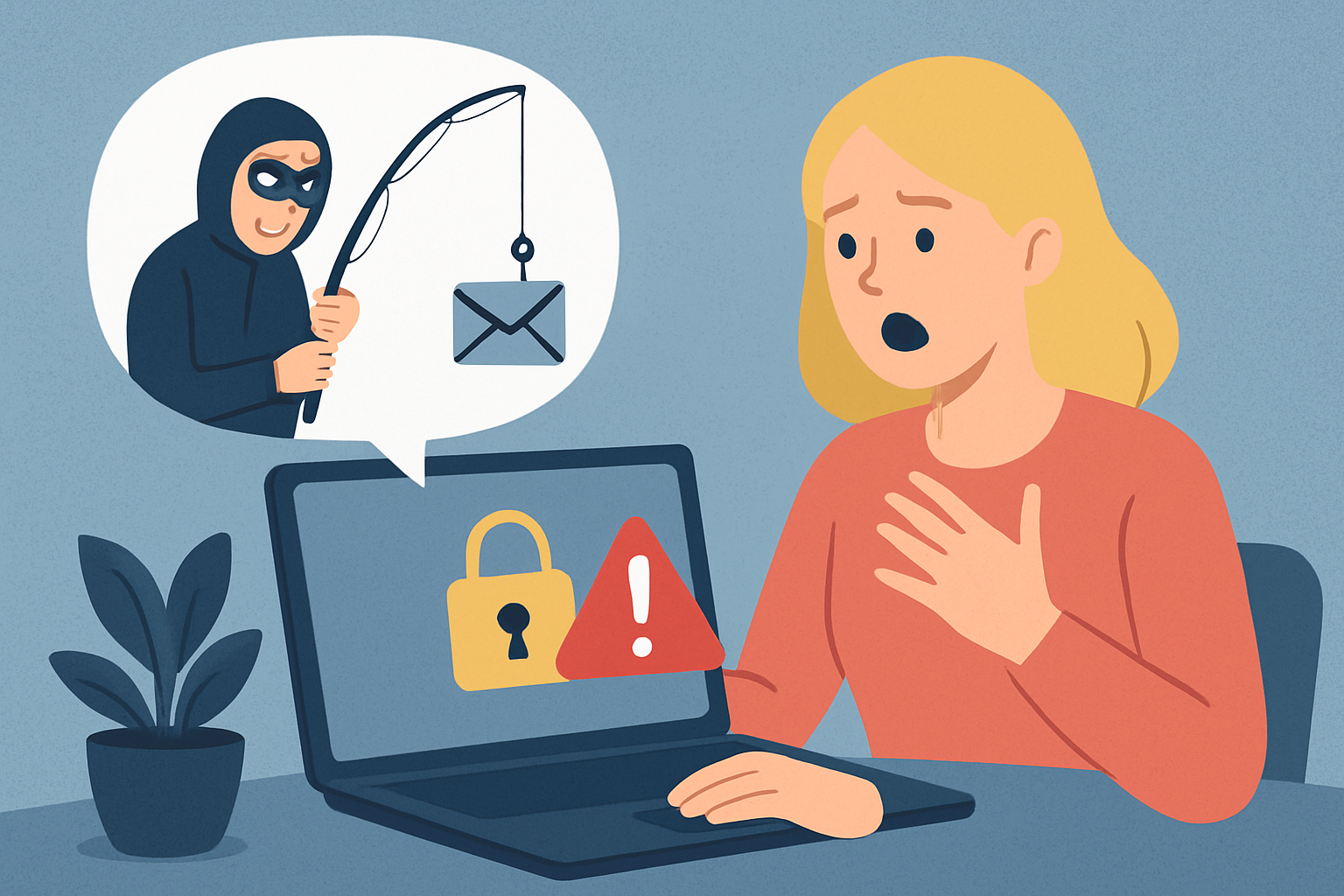
1. Email hacking
Someone breaks into your email account and can read your personal messages, send messages pretending to be you or try to steal your personal information
2. Money-extortion scams
A criminal may block your computer and say you must pay money to unlock it. This is always a scam. Never pay.
3. Hacked Facebook or social media accounts
A scammer gets into your Facebook account and may contact your friends pretending to be you, ask them for money or access your photos or personal details
Where to report these problems in France?
France has two official websites to help:
▶ THESEE (La plainte en ligne pour les arnaques sur internet)
This is a government website where you can report: online fraud, fake websites, scams asking for money and bank card fraud
It puts you directly in touch with the police cybercrime unit. You can file your complaint on line or even chat online with a gendarme. (We have linked you to the English site but this doesnt mean you will necessarily find an English speaking policeman/woman to chat with. 🙂
▶ PHAROS Plateforme d’harmonisation, d’analyse, de recoupement et d’orientation des signalements)
This is another official platform where you can report suspicious or dangerous online behaviour, hacked accounts, threats, harassment, or illegal content
Typical Scam Targets
Of course, scammers will try to con anybody, but often target older people because they are more vulnerable, less familiar with computers or smartphones, more trusting, polite, willing to help, and more likely to be financially stable.
They will also target foreigners because of language barriers, uncertainty about official procedures, and difficulty judging a scam in a second language. Foreigners tend to worry more about legal issues and pay quickly without checking, and don’t always have local French contacts to ask “Is this normal?”
Simple advice to stay safe
- Never click on links in unexpected emails or SMS, no matter how genuine they look.
- Don’t share personal codes (bank, SMS, passwords).
- Check the sender address — scams often have strange or long email addresses.
- When in doubt, call the real company or organisation.
- For scams, use the official reporting sites above (THESEE and PHAROS)
- Use strong passwords and change them regularly.
- If someone online asks for money — be very suspicious.
- If your computer freezes and asks for payment: turn it off and do NOT pay.