
Look up into the pine trees across the Pyrénées-Orientales from late winter to early spring and you may notice silky white nests swaying in the branches.
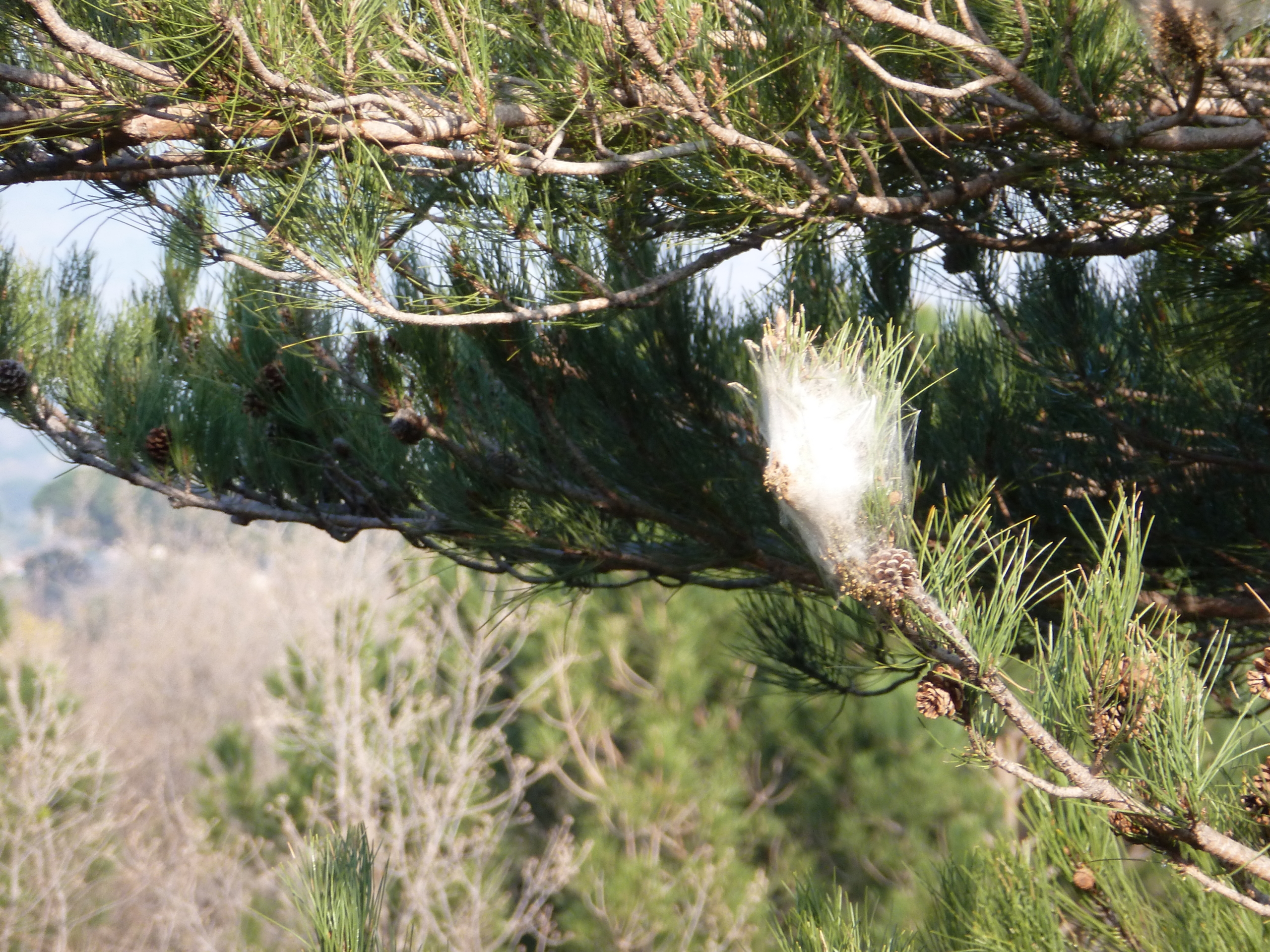 They may appear harmless — but these nests belong to the pine processionary caterpillar, one of southern France’s most hazardous seasonal pests.
For walkers, gardeners, families and especially dog owners, knowing how to recognise and avoid them is essential.
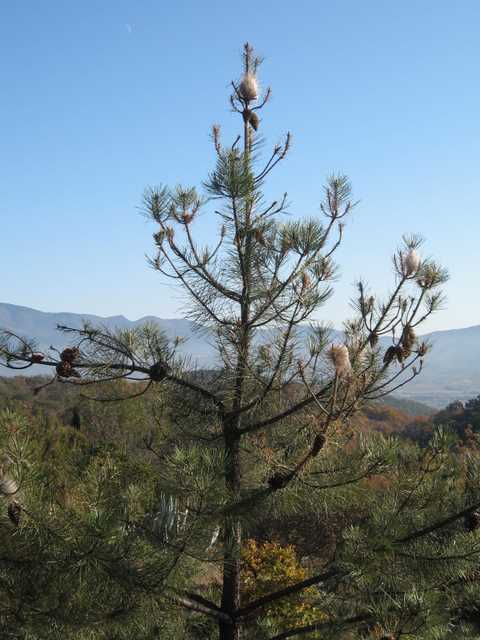
Falgos Golf Course – by Susan Wager
The pine processionary caterpillar (Thaumetopoea pityocampa) is the larval stage of a moth commonly found in Mediterranean regions of France.
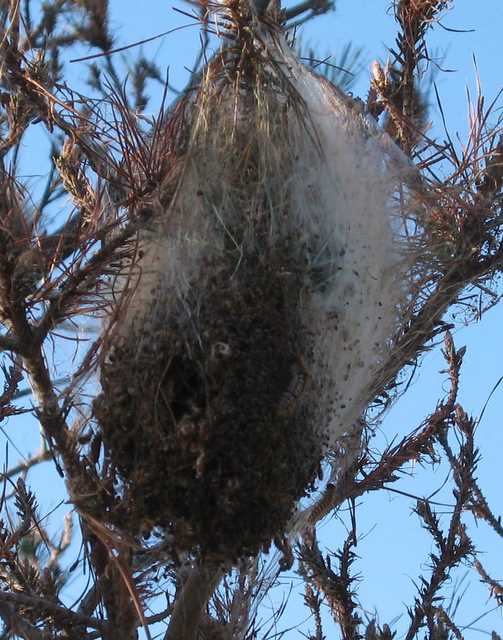
They live in large communal silk nests and feed on pine needles, which can weaken trees and damage forests.
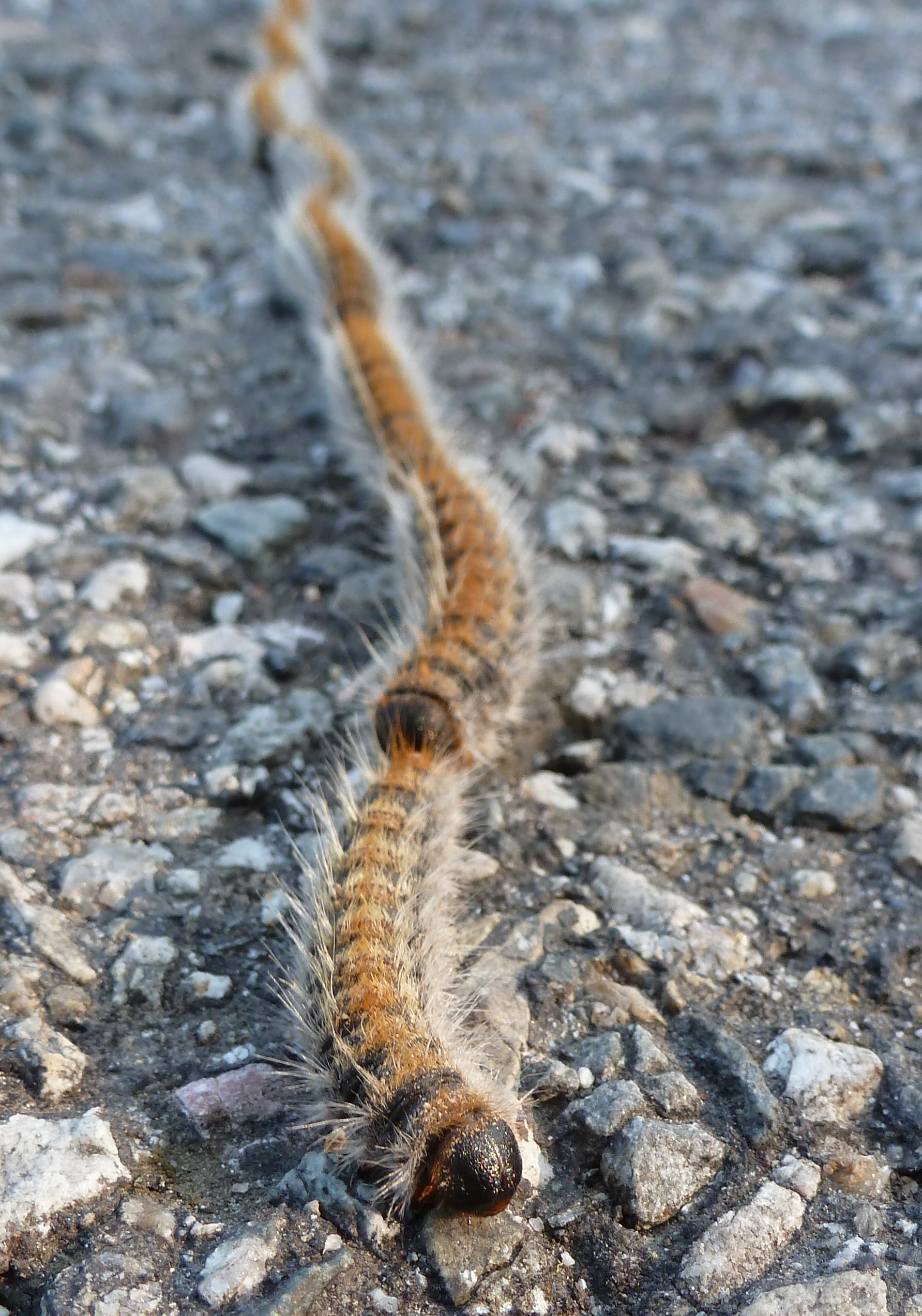
Their name comes from their unusual behaviour: when they leave the nest, they move in long head-to-tail lines — forming the famous “procession.”

Why Are Processionary Caterpillars Dangerous?
Processionary caterpillars are covered in thousands of microscopic urticating hairs containing a toxin that can trigger serious reactions.
According to ANSES (Agence nationale de sécurité sanitaire), exposure may cause:
- intensely itchy skin rashes
- eye irritation
- respiratory problems
- severe allergic reactions
The biggest risk?
The hairs can become airborne, meaning you do not need to touch the caterpillars to be affected.
Are Dogs at Risk?
Yes — dogs are among the most vulnerable. Veterinary sources warn that contact with the tongue or mouth can lead to:
- rapid swelling
- vomiting
- breathing difficulties
- tissue damage
Immediate veterinary care is critical.
If you suspect exposure:
- Rinse your dog’s mouth gently if possible
- Prevent swallowing
- Go to a vet immediately
Do not wait for symptoms to worsen.
When Are They Most Active in Southern France?
In the Pyrénées-Orientales, processionary caterpillars are typically active between January and May, often peaking in March. The highest-risk period occurs when they descend from trees to pupate in the soil — this is when walkers and pets are most likely to encounter them.
Are Processionary Caterpillars Spreading?
Yes — and climate change is a major factor. Rising temperatures have allowed the species to expand its range northward, increasing human exposure. France officially classified processionary caterpillars as a harmful species in 2022.
What Should You Do If You See a Nest?
Health authorities recommend one clear rule:
Never touch the caterpillars or their nests.
Instead:
- keep children and pets away
- avoid sitting beneath infested trees
- wear long sleeves when hiking in pine forests
- shower and change clothes after suspected exposure
- If nests are on your property:
Contact your mairie or a certified pest-control professional.
Do not attempt removal yourself — the hairs can travel dozens of metres in the wind. Modern pest management favours ecological approaches such as pheromone traps and biological controls.
Did You Know?
- Processions can stretch several metres and sometimes cross roads or hiking paths.
- Winter feeding can defoliate trees, leaving forests weaker and more vulnerable to disease.
- Colony survival is temperature-dependent — prolonged cold can destroy nests.
- Even dead caterpillars remain toxic.
Processionary caterpillars are now a regular feature of life in southern France — but awareness dramatically reduces the risk. Whether you are hiking, gardening, or walking your dog beneath the region’s beautiful pine forests, treat those distinctive white nests with caution rather than curiosity.
When it comes to processionary caterpillars, distance is your best protection.
What are public authorities required to do?
In France, authorities do provide guidance and sometimes coordinate action, but responsibility for dealing with processionary caterpillars in private gardens usually falls on the property owner — unless a local order says otherwise.
The mairie CAN organise monitoring and prevention measures (but isn’t obliged to) and MAY coordinate control efforts when the species poses a public health risk. In some departments, prefectural or municipal decrees make control mandatory, meaning homeowners must remove nests or treat affected trees, at their own expense.
There is no universal national subsidy, but many communes now provide financial assistance because the caterpillars are a public-health concern. They may provide subsidies toward trapping equipment, partial refunds….or nothing at all. It is always worth checking with your local town hall before taking any action.
Health authorities recommend …..
- Professional destruction of nests
- Installing trunk collars or traps
- Monitoring trees with pheromone traps
- Applying authorised plant-protection insecticides where appropriate
Authorities also warn the public not to try to kill the insects themselves, as this can increase exposure to toxic hairs.
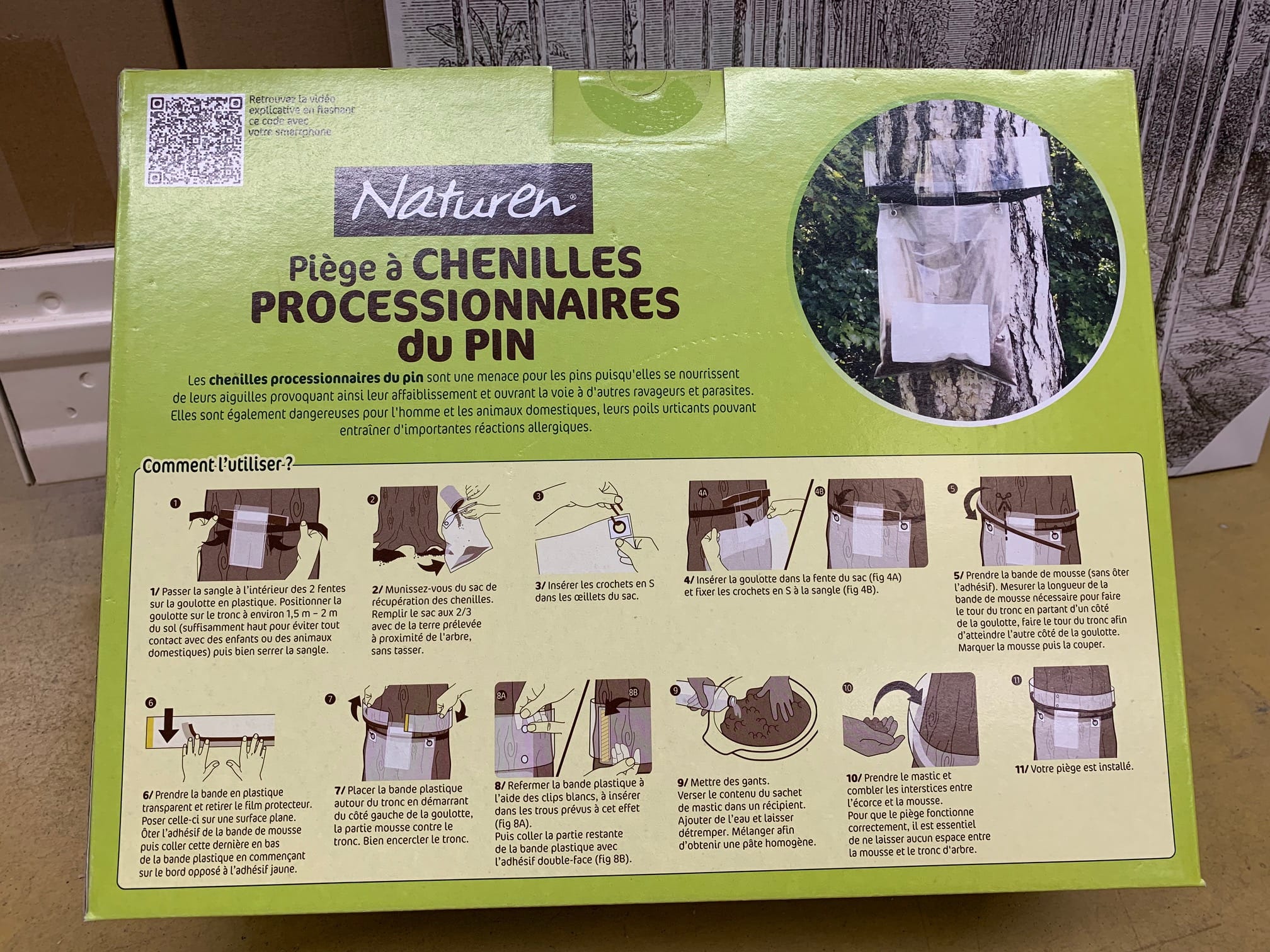
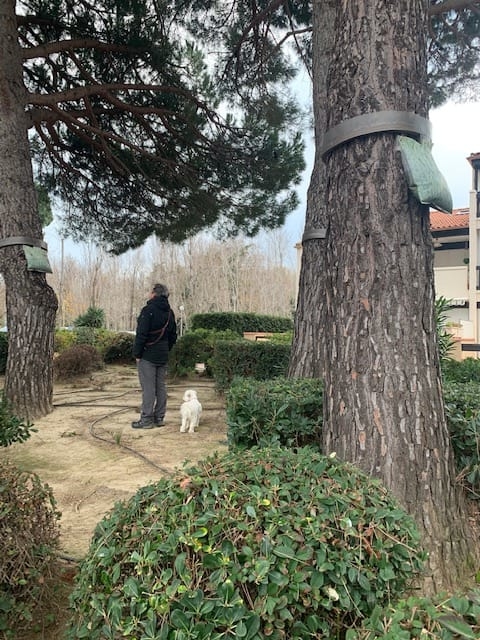
If you do insist on ‘doing it yourself’, (not advised), you can now buy (or make) an environmentally-friendly trap. Fix a bag containing earth to the trunk of the tree with some kind of collar to channel the caterpillars into the bag. When they leave their nests to feed, follow-my-leader style, they should drop into the bag, which you should check every day and dispose of with care. The expert advice is to burn once they’re in….or to have it done by a professional!
Bottom Line
- Classified as harmful to health
- Often regulated locally
- Subsidies sometimes available
- Treatment may be mandatory depending on your commune
- Liability is possible if you ignore a risk
- First step: call or check the website of your mairie.
Prophylactically I received cortison supositories from my vet, which I always carry with me when I walk my dog. In case of contact with the caterpillars the suppositories are a first aid to prevent an allergic shock, and help to bridge the time till you get to the vet.
Like the new format, click more to read articles of interest.
Varied and interesting as usual. Well done team.