
Taking the P in your Pool
McMillan Dictionary
DIPPING – an activity in which a group of people locate a private swimming pool and arrange to swim there without permission when the owner is absent.
We don’t all have a swimming pool, so those who do should feel pretty privileged. Whether it’s for exercise, relaxing with the family or simply cooling off on a hot summer’s day, a private pool is something to be enjoyed – not shared with uninvited guests.
However, it seems that ‘pool squatting’, or ‘dipping’, is on the increase, with empty pools being targeted while the owner is out or away on holiday. And if you’re particularly unlucky, the unwanted visitors won’t just leave wet footprints behind – they’ll leave a pile of rubbish, damaged furniture and a pool that needs cleaning before it’s safe to use again.
Would-be swimmers are reportedly using internet-based satellite images, such as those provided by Google Earth, to identify properties with pools, while social media can make it easy to arrange gatherings at homes that appear to be empty. Once a suitable location has been found, it’s simply a case of gaining access – and the party begins.
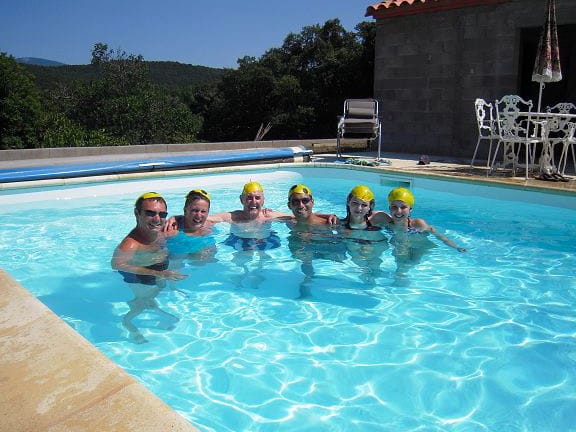
More than just an inconvenience
Although an unauthorised swim might sound like harmless fun, the consequences for the homeowner can be far more serious. Large numbers of bathers can upset the pool’s chemical balance, introduce contaminants into the water and increase wear on pumps and filtration equipment. Pool covers, garden furniture and landscaping can also be damaged, and in some cases trespassers may take the opportunity to help themselves to valuables stored in sheds or pool houses.
There is also the worry of liability should someone be injured while using your pool without permission, making prevention far preferable to dealing with the aftermath.
Signs your pool may have been used
If you’ve been away for a while, or simply haven’t used the pool for a few days, check for all the obvious signs like pool furniture that has been moved or missing inflatables or pool toys, but also a lower-than-expected water level, cloudy water or an unusual chemical reading.
Even if there are no obvious signs of damage, it’s good practice to test the water and rebalance the chemistry before swimming.
How to protect your swimming pool
A few simple precautions can make your pool a much less attractive target, like boundary fencing in good condition, motion-activated security lighting and outdoor CCTV cameras that are clearly visible, and of course a trusted neighbour to keep an eye on your property and make it look lived-in. It’s also wise to avoid announcing holiday dates or posting real-time updates on social media until you return home.
A quality pool cover not only helps keep the water clean and reduces heating costs, but can also make an opportunist think twice about using the pool.
If it does happen…
If you discover that your pool has been used without permission, avoid confronting anyone if they are still on the property. If damage has occurred, photograph the evidence and report the incident to the police if appropriate.
Before anyone uses the pool again, remove any debris, thoroughly clean the surrounding area, test the water chemistry and adjust the sanitiser and pH levels as necessary. If the pool has been heavily contaminated, a shock treatment may be required.
Fortunately, most pool owners will never experience pool dipping. Nevertheless, it’s a reminder that a little extra vigilance goes a long way. By making your property less accessible, being sensible about what you share online and asking neighbours to keep an eye on things while you’re away, you can help ensure that the only people enjoying your swimming pool are the ones you’ve actually invited.
Good afternoon
Is this pool for rent ?