
The Asian Hornet
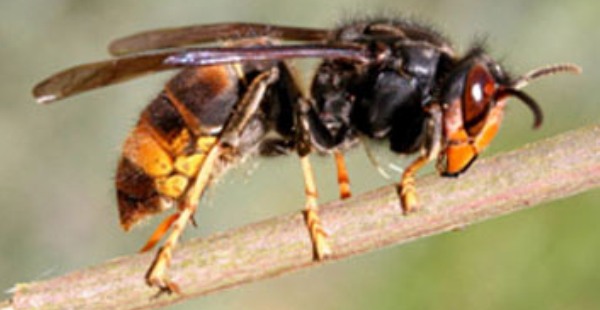
Residents and visitors across France should be aware of the Asian hornet (Vespa velutina), an invasive species originally from Southeast Asia. First recorded in France around 2004, it is believed to have arrived accidentally in imported goods. Since then, it has spread widely across the country and into neighbouring parts of Europe.
How to recognise it
The Asian hornet is easy to identify once you know what to look for. It has a mostly dark body, an orange face, and distinctive yellow-tipped legs — which is why it is sometimes called the “yellow-legged hornet.” Queens can reach around 3 cm in length, while workers are usually slightly smaller.
Nests and behaviour
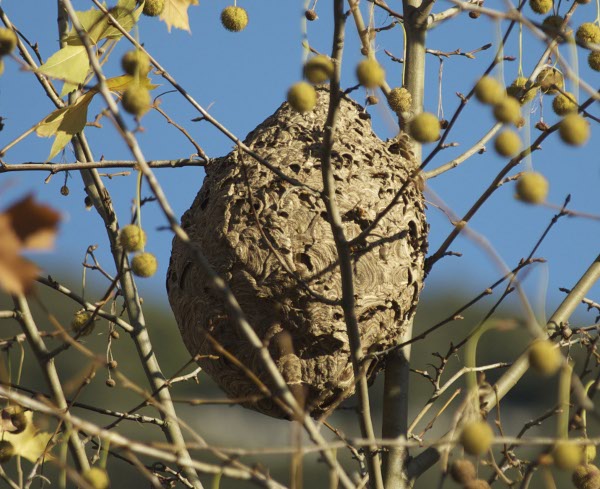
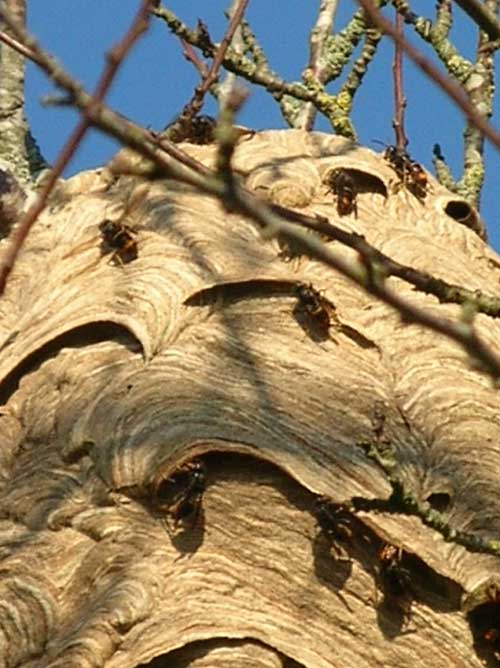
Asian hornets build large, paper-like nests, often high in trees but sometimes on buildings or in hedges. Mature nests can be football-shaped and may grow very large, housing thousands of hornets by late summer.
Like most social wasps, they are not especially aggressive when away from their nest. However, they will defend their colony vigorously if disturbed and may attack in groups. For this reason, never attempt to destroy or approach a nest yourself.
If you suspect a nest nearby, contact your local mairie (town hall), which will advise you on the appropriate reporting or removal service. In many areas, trained pest-control professionals handle nest removal.
Impact on honeybees
Asian hornets are predators of many insects, including honeybees. They often hover outside beehives, catching returning bees and carrying them back to their nest as food for their larvae. Persistent hunting can weaken a bee colony, although bee populations face many other pressures too, including disease, pesticides and habitat loss.
The annual life cycle
In winter, the colony dies off, leaving only fertilised queens to survive. Each queen overwinters in shelter and emerges in early spring to build a small initial nest and begin a new colony. By late summer and autumn, colonies are at their largest and most active.
Trapping and control
In the past, people were often encouraged to make homemade bottle traps in spring to catch queens. However, most environmental authorities now discourage widespread use of such traps because they also kill many beneficial native insects and are not considered an effective large-scale control method.
The most effective response remains reporting and professional nest removal where necessary.
If you are stung
For most people, a sting is painful but not dangerous. However, if you experience signs of an allergic reaction — swelling of the face or throat, difficulty breathing, dizziness, or widespread rash — call emergency services immediately on 15 in France.
Staying informed and reporting nests responsibly helps limit the impact of this invasive species while protecting both people and local wildlife..
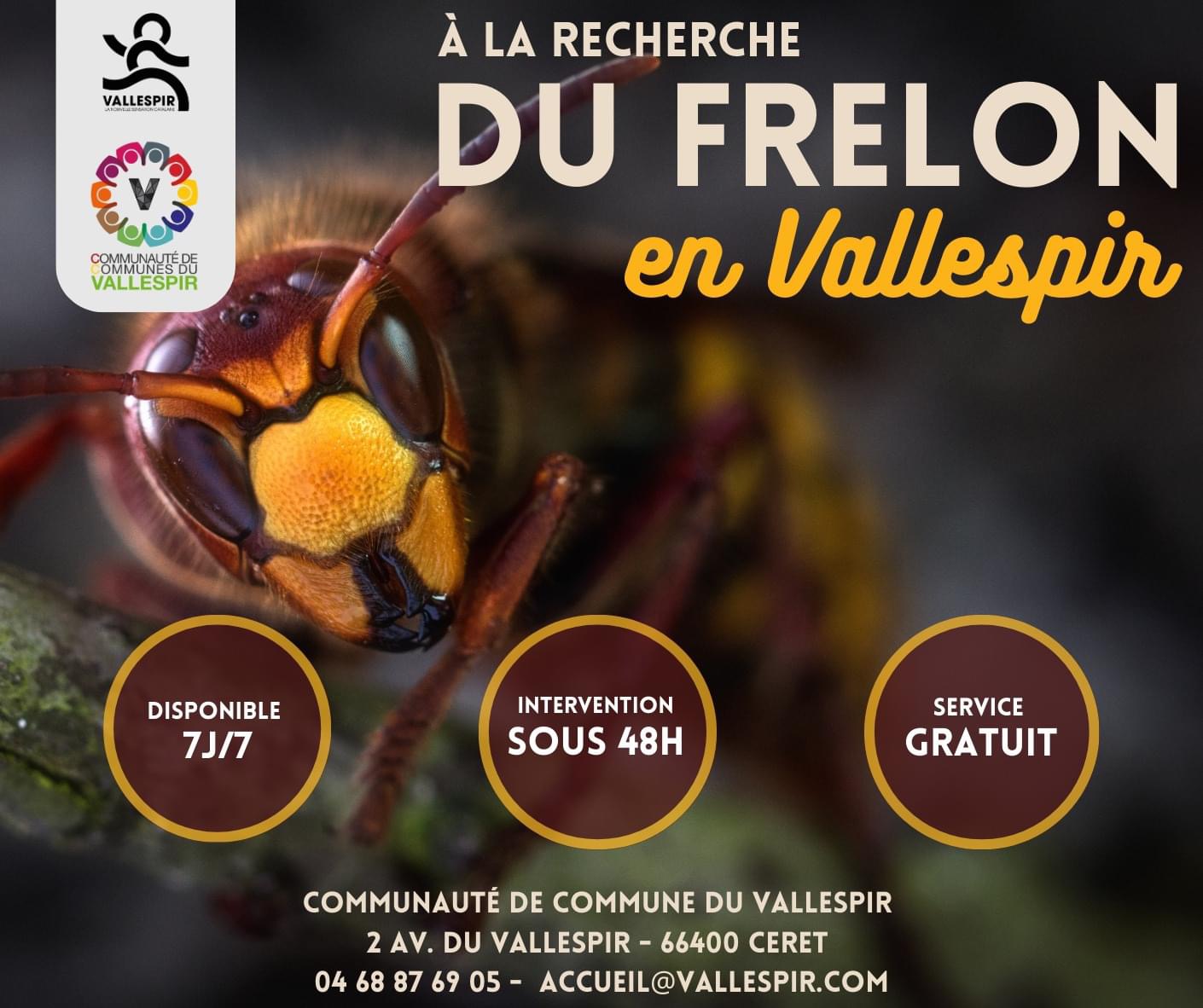
FIND OUT MORE – the difference between the Asian and the European hornet