
UPDATED JANUARY 2026
Why not take a visit to to the Maternité Suisse d’Elne?
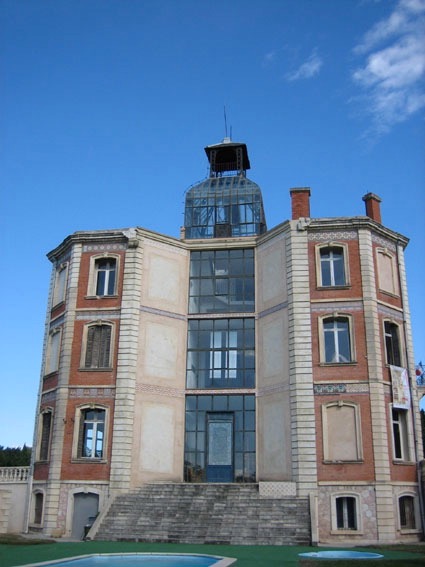
During the horrors and misery of the Retirada and the Second World War, the Maternité Suisse d’Elne became a rare beacon of hope for expectant mothers. Women who had been interned in the bleak camps of Argelès-sur-Mer, Saint-Cyprien, Le Barcarès and Rivesaltes were brought here to give birth in dignity, away from hunger, disease and despair.
Housed in a château on the outskirts of Elne, this extraordinary maternity hospital offered sanctuary at a time when compassion was in dangerously short supply.
La Maternité Suisse
Between 1939 and 1944, more than a thousand women and children passed through the Maternité Suisse, and 595 children were born here. Initially, the mothers were Spanish women fleeing Franco’s brutal regime; later they included women displaced by the Second World War — among them Jewish and Romani (Roma) women, all protected here regardless of nationality or religion.
The building itself is striking: constructed on four floors in the form of a Greek cross, it is flooded with natural light that pours down from the cupola and glass roof to the floors below. For women arriving from the squalid and overcrowded camps, it must have felt like a haven.
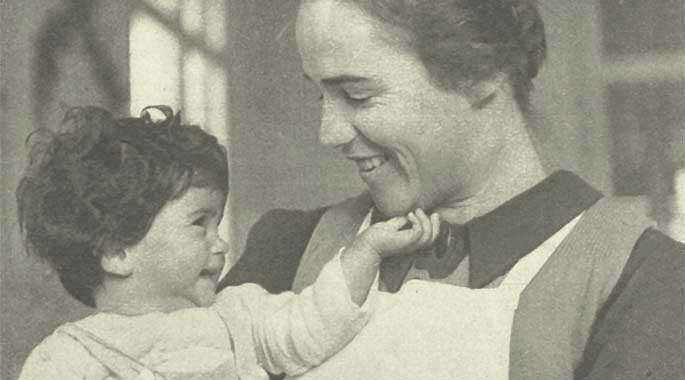
Elisabeth Eidenbenz
At the heart of this story is Elisabeth Eidenbenz, a young Swiss teacher and humanitarian whose courage and determination made the maternity possible. Risking arrest and expulsion, she negotiated relentlessly with authorities to keep the maternity open and the women safe.
The visit begins with a short film featuring an interview with Eidenbenz, recorded when she was in her nineties. She speaks with warmth and humility about the caring atmosphere she created, even explaining how the rooms were named after towns in Spain to help the exiled women feel more at home. Elisabeth Eidenbenz later received international recognition for her work, including the Légion d’Honneur. She passed away in 2011.
Visiting the Museum Today
The tour of the Maternité Suisse is clearly signposted and thoughtfully presented. Informative panels place the maternity within its wider historical context, while photographs help bring daily life here vividly to life. Visitors can see spaces such as the nursery, delivery room and Elisabeth Eidenbenz’s bedroom, making the experience both moving and intimate.
The château itself was left in disrepair for more than fifty years before being acquired by the town of Elne. It was classified as a Monument Historique in 2013 and carefully restored as a memorial to the women, children and humanitarian ideals it represents. Some areas may occasionally be closed due to ongoing preservation work, but the visit remains deeply worthwhile.
Practical Information
The Maternité Suisse d’Elne is open for much of the year, with longer opening hours during the summer months. Admission is either free or modestly priced depending on the type of visit, and combined tickets are available with other heritage sites in Elne, including the Cloister and museum.
The site has a lift and step-free access, making it suitable for visitors with limited mobility.
As opening hours, ticket options and closures can change, it’s best to check the official town or tourism website before your visit, or contact the site directly.
Make a Day of It
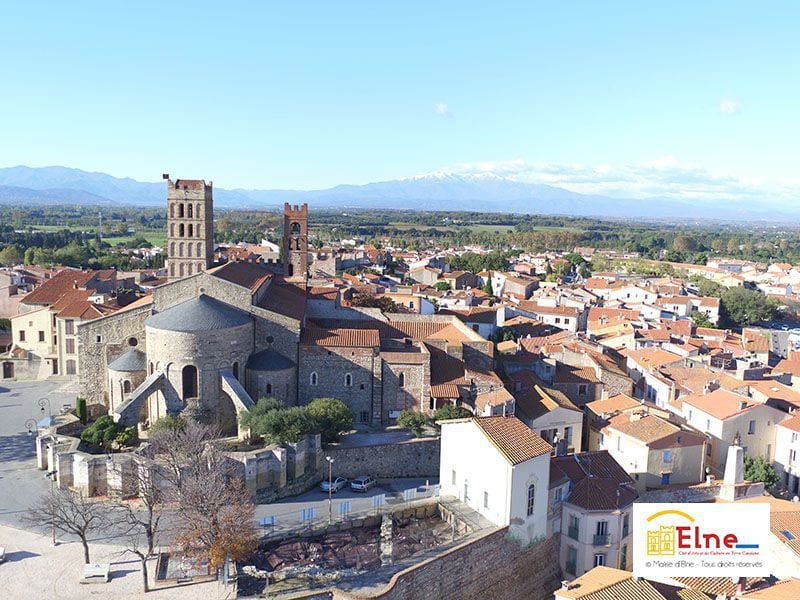
If you’re visiting the Maternité Suisse, why not spend time exploring Elne itself? One of the oldest towns in the region, it boasts a remarkable cathedral cloister, layers of Roman and medieval history, and wonderful views across the Roussillon plain to the sea and the mountains.
A visit to the Maternité Suisse d’Elne is not just a museum stop — it’s a powerful reminder of how humanity, courage and compassion can survive even in the darkest of times.
FIND OUT MORE ABOUT ELISABETH EIDENBENZ
Love to hear more André. Send us your story and we’ll publish with great pleasure.