
The 2026 municipales elections are approaching and more and more non-French residents have taken on or are applying for French nationality. This means of course that they can vote in the municipal elections, coming up on:
- Sunday 15 March 2026 (first round)
- Sunday 22 March 2026 (second round, if needed)
A non-technical generic overview of the main political groupings you are likely to see in French municipal elections, what they generally stand for, and what it means locally if they win
This article is intended as a general, neutral guide to help readers understand how French municipal elections work and how local politics function in the Pyrénées-Orientales. P-O Life does not support or oppose any political party, list, or candidate. The descriptions provided are simplified and indicative only. Local programmes and personalities may differ significantly from national party positions. Readers are encouraged to consult official sources, attend local meetings, and speak directly with candidates before making any voting decision.
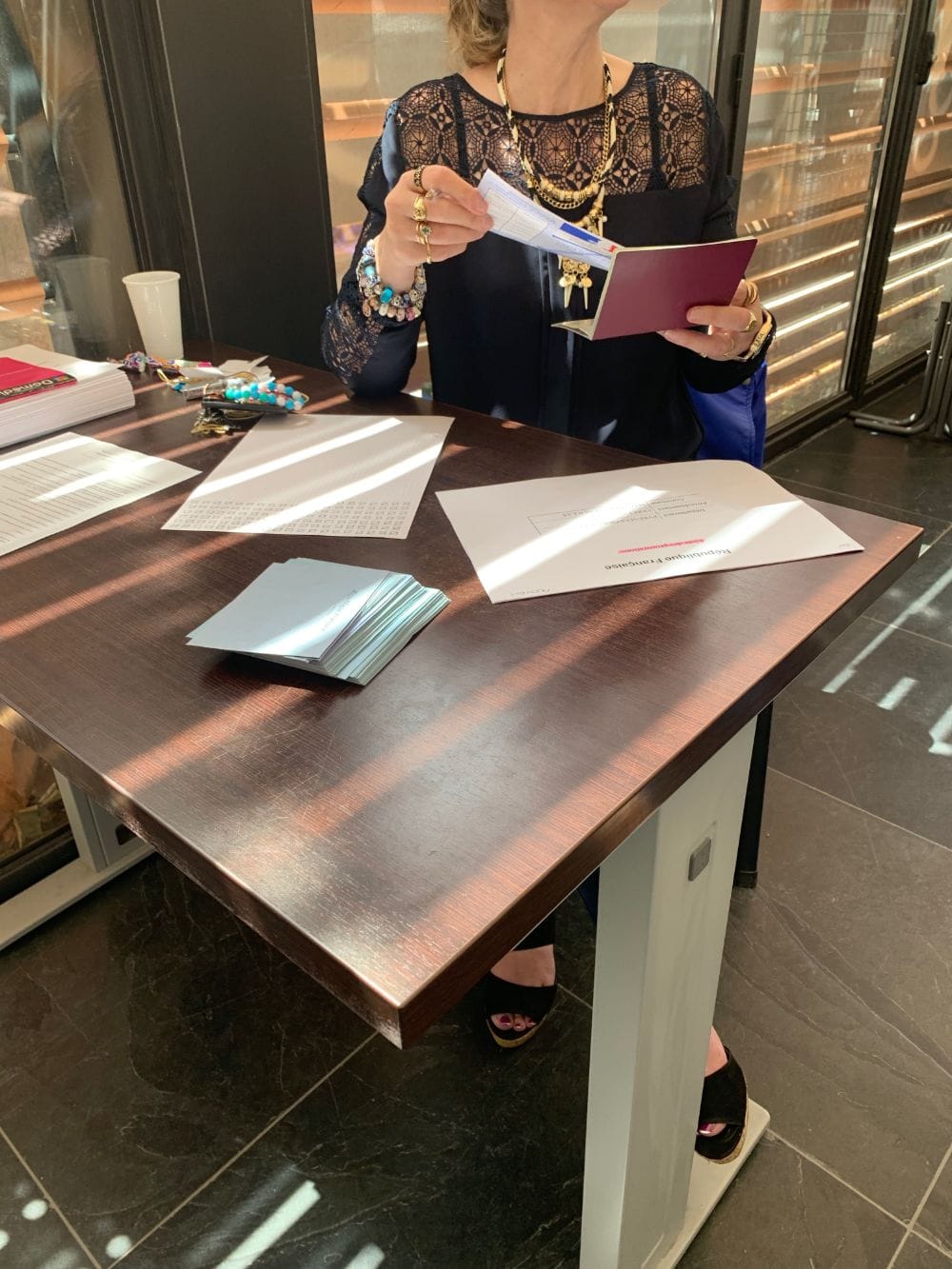
The 2026 municipales elections are approaching and more and more non-French residents have taken on or are applying for French nationality.
First of all….can you vote?
Check out a detailed explanation of your voting rights in France HERE
To be clear…..
Municipal elections in France are much more about people than parties. Many candidates run as independent or “sans étiquette” (no party label), especially in villages and small towns. Even when parties are involved, local priorities often matter far more than national ideology. In municipal elections, you are not voting for a president or a prime minister.
You are voting for a local team who will manage:
- Planning permission
- Local taxes
- Roads and public spaces
- Schools and crèches
- Cultural events
- Environmental issues
- Village life and services
Many mayors from opposing national parties govern in very similar ways locally.
1️⃣ Independents / “Sans Étiquette” (No Party Label)
Leader: No national leader
Very common in the Pyrénées-Orientales
Tend to be….
- Local residents, often well-known in the commune
- Not officially linked to any national party
- Very common in villages and small towns
Typical Priorities
- Keeping local taxes stable
- Protecting village life and traditions
- Practical problem-solving
- Avoiding party politics
If They Win
- Decisions are usually pragmatic rather than ideological
- Changes tend to be gradual
- Continuity is often valued over big reforms
👉 Good choice if you care most about local stability and community life.
2️⃣ Centre / Moderate Parties (e.g. Renaissance, MoDem)
National figure: Emmanuel Macron (President)
Tend to be…
- Pro-European
- Economically liberal but socially moderate
- Modernisation of public services
Typical Local Policies
- Town centre regeneration
- Digital services
- Support for business and tourism
- Controlled development
If They Win
- Focus on efficiency and investment
- Often pro-development, but regulated
- Generally friendly to foreign residents
👉 Appeals to voters who like moderation and economic pragmatism.
The Right (Les Républicains & local right-wing lists)
National figures vary
Tend to be…
- Law and order
- Lower local taxes
- Traditional values
- Strong local identity
Typical Local Policies
- Reduced spending
- Business-friendly policies
- Firm stance on security
- Preservation of heritage
If They Win
- Careful with budgets
- Less emphasis on social spending
- Development encouraged but controlled
👉 Often popular with homeowners and long-term residents.
4️⃣ The Left (Socialist Party, allied lists)
National figures vary
Tend to Stand For
- Social justice
- Public services
- Affordable housing
- Solidarity
Typical Local Policies
More social housing
Support for local services
Cultural and community projects
Public investment
If They Win
- Higher spending on services
- More support for vulnerable residents
- Sometimes higher local taxes
👉 Appeals to voters concerned about equality and public services.
5️⃣ The Greens (Europe Écologie – Les Verts)
National figures vary
Increasingly present in towns
Tend to Stand For
- Environmental protection
- Sustainable development
- Climate action
Typical Local Policies
- Limiting new construction
- Protecting green spaces
- Promoting cycling and public transport
- Energy-efficient buildings
If They Win
- Strong environmental regulations
- Slower development
- Emphasis on quality of life
👉 Attractive to environmentally conscious voters.
6️⃣ The Far Right (Rassemblement National)
National leader: Marine Le Pen
Strong presence in parts of the P-O
Tend to Stand For
- Strong local identity
- Law and order
- Reduced immigration
- “France first” policies
Typical Local Policies
- Focus on security
- Cultural identity
- Reduced funding for some social programmes
If They Win
- Firm political stance
- Policies may be controversial
- Relations with foreign residents vary by commune
👉 Supporters see them as defenders of order; critics fear division.
How to Choose
- Read local leaflets carefully
- Attend meetings if possible
- Talk to neighbours
- Don’t be afraid to ask questions — local candidates expect it
Voting locally, if you are able, is a good way to feel truly part of French life.
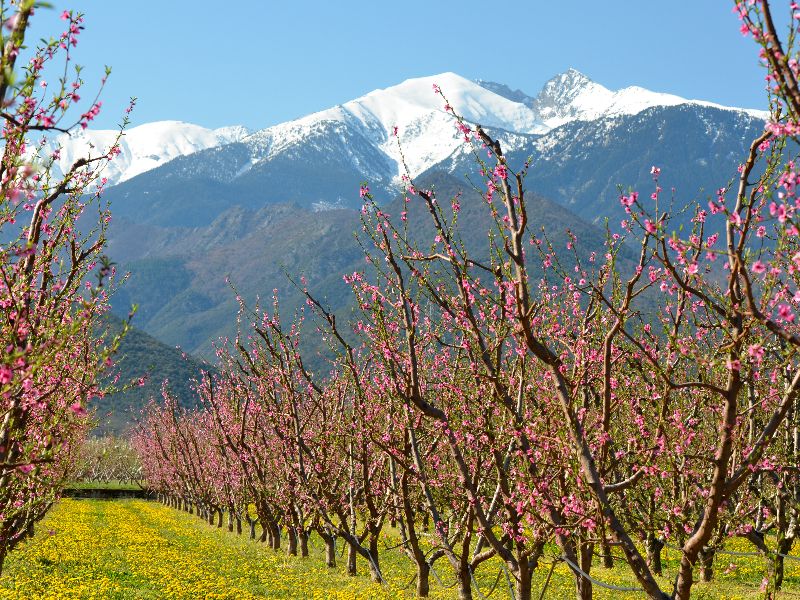
Here in the P-O….
In many communes, particularly inland and in the Vallespir, Albères, Aspres, Conflent and Fenouillèdes, foreign residents form a visible part of the population.
The Pyrénées-Orientales has a very distinctive local political landscape, shaped by geography, history, and demographics.
Long-standing mayors are often re-elected regardless of national politics, according to personal reputation, family connections and even availability.
Traditionally, the P-O has been left-leaning, particularly in Perpignan (historically), industrial and working-class areas and wine-growing regions but this is now balanced by a strong Rassemblement National presence in some coastal and urban areas, a growing Green and environmental vote, and a continued moderate centre-right vote in rural communes
You may see lists supported by a party but not clearly labelled, mixed lists including left, centre, and independent candidates and candidates switching alliances between elections. This is normal and reflects local pragmatism rather than confusion.