
Across the Pyrenees in Secret: “Routes of the Maquis” Exhibition
The Mémorial du Camp de Rivesaltes hosts a powerful new exhibition titled “The Routes of the Maquis”, produced by the Museu Memorial de l’Exili. Part of the European project Exilis 1936–1946, the exhibition sheds light on a lesser-known chapter of postwar European resistance: the clandestine crossings of anti-Franco guerrillas through the Pyrenees between 1944 and 1952.
Landscapes of Resistance
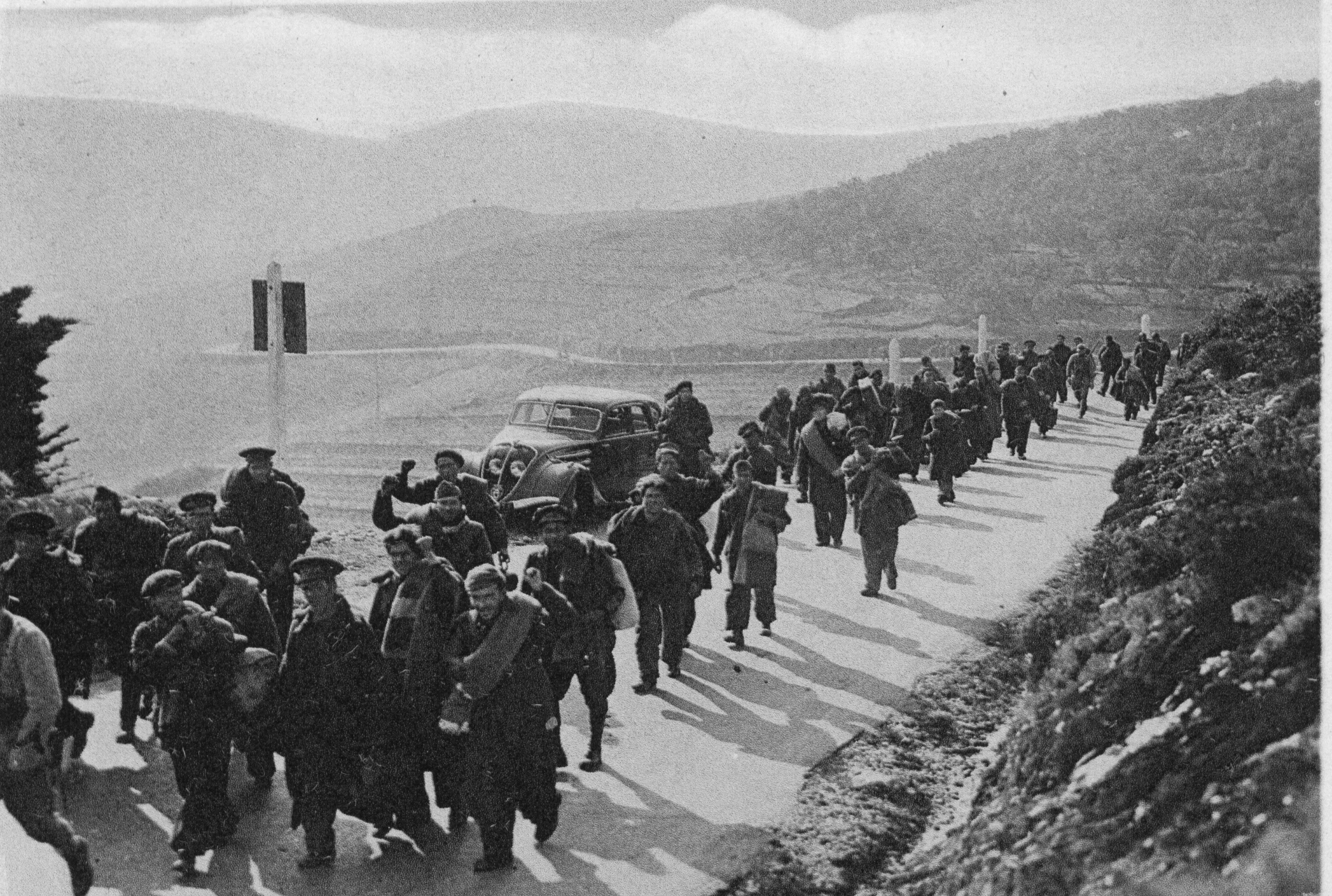
Far from the urban centers typically associated with resistance movements, this story unfolds in the rugged terrain of the eastern Pyrenees—particularly in the regions of Ripollès, Garrotxa, and the Pyrénées-Orientales. These mountains became both refuge and corridor: a natural fortress where guerrilla fighters—known as maquisards—could evade detection while moving between France and Spain.
Following the end of World War II, hundreds of Spanish Republican exiles who had previously fought against Francisco Franco returned clandestinely across the border. Many had been part of the French Resistance, and they now sought to continue the struggle—this time against Franco’s dictatorship.
The Networks Behind the Crossings
The exhibition focuses on guerrilla groups linked to the Partido Comunista de España (PCE) and the Partit Socialista Unificat de Catalunya. These organizations coordinated complex underground networks that stretched across southern France and northern Spain.
At the heart of these operations were guides and passeurs—local men and women who knew the mountains intimately. They escorted fighters, transported weapons, and carried messages across dangerous terrain, often under cover of night.
Where They Lived and Met
• Mountain farmhouses and shepherd huts: Remote masias in Catalonia and abandoned stone shelters in the Pyrenees served as temporary hideouts.
• Forest camps: Dense woodland areas allowed guerrillas to establish semi-permanent bases, often moving frequently to avoid detection.
• Border villages: Towns like La Jonquera or Prats-de-Mollo became discreet hubs where contacts could be made.
• Urban safe houses in France: Cities such as Perpignan and Toulouse hosted exile networks that provided logistics, forged documents, and medical aid.
One of the most important support systems came from ordinary civilians—farmers, innkeepers, and even priests—who risked imprisonment or execution by assisting the guerrillas.
The Art of Disguise and Survival
The exhibition draws on rare archival material, including documents from the Historical Archives of the Spanish Communist Party and the collection of Domingo Malagón—a key figure responsible for forging identity papers.
Forgery was not just a tool but an art form. Malagón’s team produced false IDs so convincing that even seasoned officials were fooled. Guerrillas often traveled disguised as:
• traveling salesmen
• agricultural workers
• priests or seminarians
Weapons were hidden in sacks of grain or buried along routes to be retrieved later. Messages were encoded or memorized to avoid detection.
Encounters with Danger
The greatest threat came from the Guardia Civil, Franco’s militarized police force, which conducted relentless anti-partisan operations. Ambushes, arrests, and executions were common.
In one documented case, a group of maquis fighters crossing near the Vallespir region narrowly escaped capture when a local shepherd deliberately misled a Guardia Civil patrol, sending them in the opposite direction. The guerrillas later credited him with saving their lives—yet his name was never recorded, a reminder of the anonymous heroism that defined much of the resistance.
Another story tells of couriers who memorized entire pages of information because written notes were too dangerous to carry. If captured, they would feign illiteracy.
Mapping Memory
Since 2020, seventeen interpretive panels have been installed across Catalonia to mark the main routes used by the maquis. These markers trace three principal itineraries crossing the Pyrenees and highlight key घटनes of guerrilla activity.
The exhibition itself is the result of years of research led by historians Raül Valls, Joan Boada, and Josep Serra, working closely with descendants of guerrilla families such as the Torres Bell-lloch, Pradal, and Oliveras lineages. Their testimonies bring a deeply human dimension to the story.
Photographs by Ernest Costa i Saboia complement the historical material, capturing the stark beauty of the landscapes that once concealed clandestine movements.
A Shared European Memory
“The Routes of the Maquis” is part of a broader effort to preserve the memory of exile and resistance, involving institutions across the region, including the MUME, the Democratic Memorial of Catalonia, and sites such as the Argelès-sur-Mer camp memorial and the Maternity of Elne.
More than a historical exhibition, it is a meditation on borders, exile, and resilience—on how mountains became both barriers and bridges in the fight for democracy.
Practical Information
• Opening: April 16 at 6:00 PM
• Location: Mémorial du Camp de Rivesaltes
• Dates: Until August 22 (Rivesaltes), then September 12 – November 29 at the MUME