
DECEMBER 2025
Starting in 2026, applicants for French citizenship or a multi-year residency card will face a new requirement — an ‘examen civique’ (civic exam), expected to be a 40-question QCM, pass mark 80 % — 32 correct answers)
This updated test aims to ensure that candidates have a solid understanding of French values, history, and institutions, and that they can demonstrate integration into French society.
🏛️ Examen Civique — Practice Quiz (Part 2)
(FIND PART ONE HERE)
⚖️ Section 1: Government and Institution
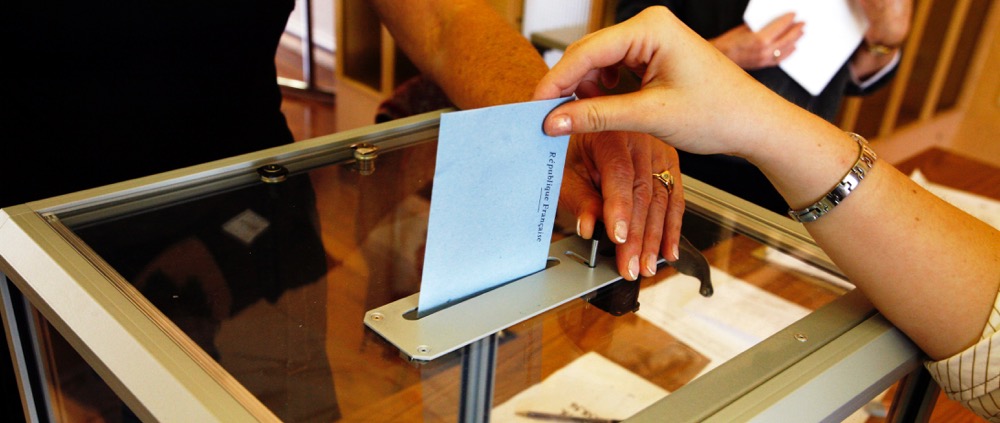
1 Who is the Head of State in France?
A) The Prime Minister
B) The President of the Republic
C) The President of the Senate
2 Who appoints the Prime Minister?
A) The President of the Republic
B) The National Assembly
C) The Constitutional Council
3 The French Parliament is composed of…
A) The Senate and the National Assembly
B) The Senate and the Constitutional Council
C) The Prime Minister and the President
4 The President’s term of office lasts…
A) 4 years
B) 5 year
C) 7 years
5 Where does the National Assembly meet?
A) Palais Bourbon
B) Palais du Luxembourg
C) Élysée Palace
6 Who ensures that laws respect the Constitution?
A) The Court of Cassation
B) The Constitutional Council
C) The Senate
✅ Answers – Section 1
1 B — The President of the Republic is Head of State.
2 A — The President appoints the Prime Minister.
3 A — Parliament = Assemblée nationale + Sénat.
4 B — The presidential term is 5 years (quinquennat).
5 A — The National Assembly sits at the Palais Bourbon (Paris).
6 B — The Conseil constitutionnel checks laws’ constitutionality.
🇫🇷 Section 2: Values of the Republic & Civic Principles
1 What is the national motto of France?
A) Liberty, Equality, Fraternity
B) Work, Family, Homeland
C) Peace, Justice, Solidarity
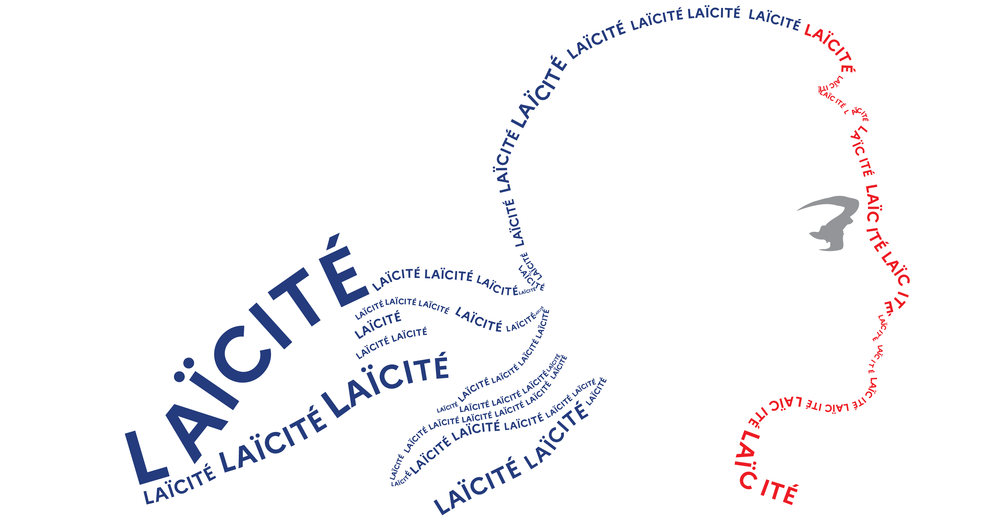
2 What does laïcité mean?
A) Religion is separated from the State
B) The State promotes Catholicism
C) Citizens must choose a religion
3 Which of these is a French national symbol?
A) The Eiffel Tower
B) Marianne
C) The Euro
4 What does the Republic guarantee to all citizens?
A) Equality before the law
B) Equal income
C) Free housing
5 What is the national anthem of France?
A) The Chant du Départ
B) La Marseillaise
C) La Parisienne
✅ Answers – Section 2
- A — Liberté, Égalité, Fraternité is the national motto.
- A — Laïcité = separation of religion and the State.
- B — Marianne symbolizes the Republic.
- A — The Republic guarantees égalité devant la loi.
- B — La Marseillaise is the national anthem.
Section 3: French History
1 When did the French Revolution begin?
A) 1789
B) 1848
C) 1914
2 Who was the first President of the Fifth Republic (1958)?
A) François Mitterrand
B) Charles de Gaulle
C) Georges Pompidou
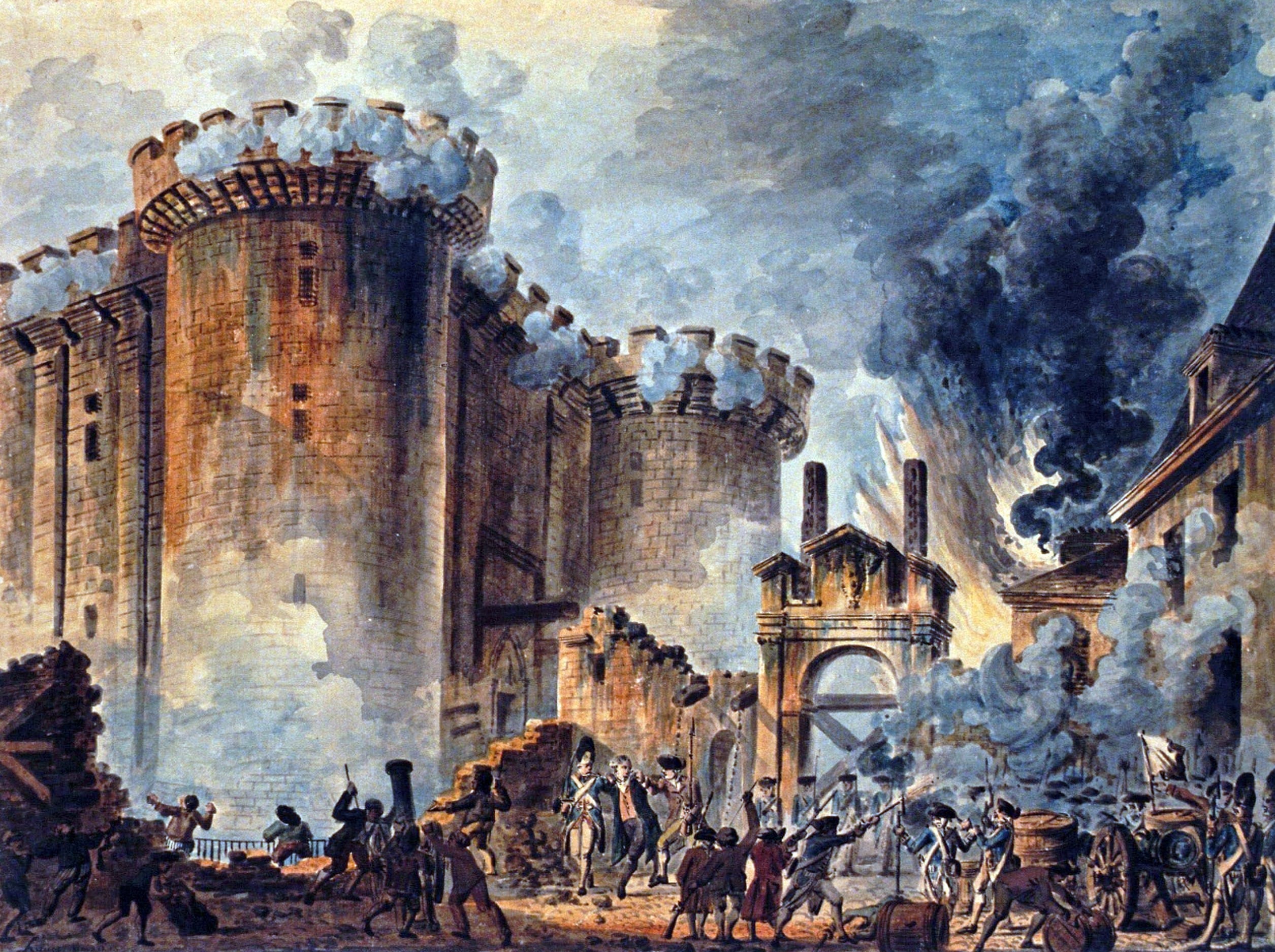
3 What event is celebrated on 14 July?
A) The end of World War I
B) The storming of the Bastille
C) The proclamation of the Fifth Republic
4 Who is known for establishing free, mandatory, and secular schooling (“lois scolaires”)?
A) Jules Ferry
B) Victor Hugo
C) Napoleon Bonaparte
5 What major political change occurred in France in 1944?
A) End of the monarchy
B) Women gained the right to vote
C) Adoption of the euro
✅ Answers – Section 3
- A — The Revolution began in 1789.
- B — Charles de Gaulle founded and led the Fifth Republic.
- B — 14 July commemorates the storming of the Bastille in 1789.
- A — Jules Ferry established free, secular, compulsory education.
- B — In 1944, women obtained the right to vote in France.
🌍 Section 4: French Geography
1 What is the capital of France?
A) Lyon
B) Paris
C) Marseille
2 Which mountain range contains the highest peak in France ?
A) The Alps
B) The Pyrenees
C) The Vosges
3 What river flows through Paris?
A) Rhône
B) Loire
C) Seine
4 Which overseas territory is located in the Caribbean?
A) Réunion
B) Martinique
C) Mayotte
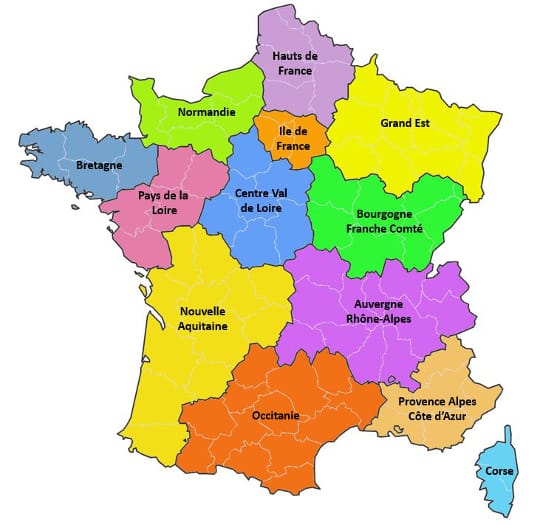
5 How many regions does France have (metropolitan + overseas)?
A) 22
B) 18
C) 13
✅ Answers – Section 4
- B — Paris is the capital.
- A — The Alps contain Mont Blanc, France’s highest peak.
- C — The Seine flows through Paris.
- B — Martinique is in the Caribbean.
- B — France has 18 regions (13 metropolitan, 5 overseas).
🧑⚖️ Section 5: Rights and Duties of Citizens
1 What age must a citizen be to vote in France?
A) 16
B) 18
C) 21
2 Which of the following is a civic duty in France?
A) Voting in all elections
B) Respecting the law
C) Serving in the military
3 Which freedom is guaranteed by the French Republic?
A) Freedom of speech
B) Freedom to avoid paying taxes
C) Freedom from school attendance for minors
4 What must all citizens do when summoned for jury duty (Cour d’assises)?
A) Decline the invitation
B) Attend unless legally excused
C) Choose a replacement
5 Who contributes to public services through taxes?
A) Only business owners
B) Only French citizens
C) All residents with taxable income
✅ Answers – Section 5
- B — The voting age in France is 18.
- B — All citizens must respect the law.
- A — Freedom of speech is protected by the Republic.
- B — Citizens must attend jury duty unless excused.
- C — All residents with taxable income contribute via taxes.
🎨 Section 6: Symbols and Culture of France
1 What is the national emblem of France?
A) The lion
B) The Gallic rooster
C) The oak tree
2 What is the motto of the French Republic?
A) Work, Family, Homeland
B) Liberty, Equality, Fraternity
C) Power, Order, Nation
3 What is the national holiday celebrated on 14 July?
A) Victory in Europe Day
B) Bastille Day
C) Armistice Day
4 Marianne represents…
A) French military strength
B) The French Monarchy
C) The Republic and its values
5 Which is a famous French cultural heritage monument?
A) The Colosseum
B) The Eiffel Tower
C) The Parthenon

✅ Answers – Section 6
- B — The Gallic rooster is a national emblem of France.
- B — The motto is Liberty, Equality, Fraternity.
- B — 14 July is Bastille Day.
- C — Marianne symbolizes the Republic.
- B — The Eiffel Tower is an iconic French monument.