
The Truce of God
With Catalan counts constantly fighting one another, the late tenth and early eleventh centuries were marked by a series of brutal crimes inflicted on a terrorised population.
Feudal disputes—whether between neighbouring lords, rival knights, or entire counties—were routinely settled through violence. In this largely lawless society, the Church attempted to act as a protector of an oppressed and defenceless people.
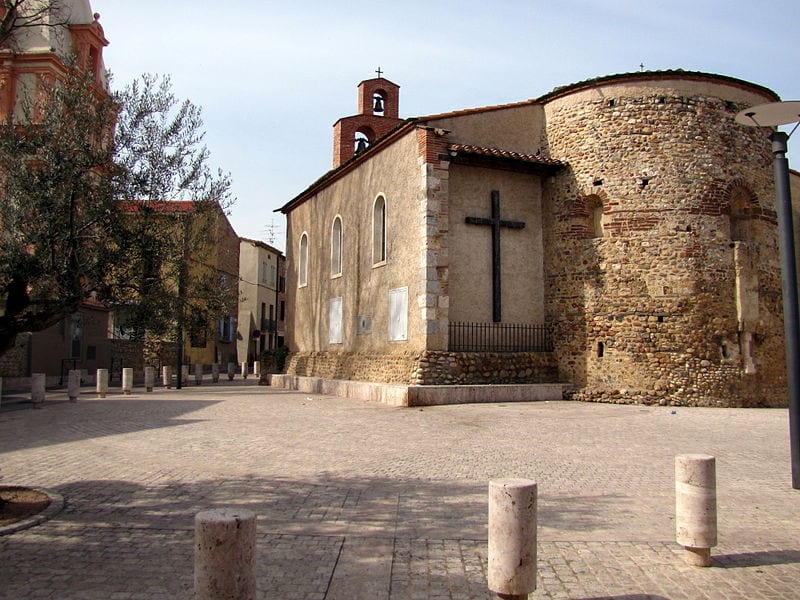
In 1027, the small town of Toulouges was chosen as the site for the proclamation of the Truce of God (Treuga Dei). This initiative sought to curb endemic violence in a feudal world where warfare had become the default means of resolving even the smallest conflicts. Building on earlier efforts such as the Peace of God movement, the Truce aimed not to abolish warfare altogether, but to restrict when and where it could be carried out.
Earlier attempts to limit violence had achieved little. A law passed around 697, the Cáin Adomnáin, imposed sanctions against the killing of children, clerics, clerical students, and peasants living on church lands. Despite such measures, everyday life for much of the population remained precarious, and effective enforcement was virtually non-existent.
The Truce of God initially banned fighting on Sundays and major holy days, representing one of the first large-scale, organised, non-violent attempts by an institution to impose moral restraint on medieval society. Violence was also forbidden in houses built within thirty feet of churches and in cemeteries, reinforcing the idea of the church as a place of sanctuary. Over time, this contributed to churches becoming safe centres of social life.
During the eleventh and twelfth centuries, many villages grew up around these protected spaces, forming zones of relative immunity where violence was prohibited under the terms of the Truce. To secure noble compliance, the Church relied heavily on spiritual intimidation. Lords were encouraged to swear peace oaths while relics of saints were displayed before them, with dire warnings of divine punishment and retribution from the saints themselves for any violation.
The results were mixed. Many knights and nobles swore the oath, only to resume acts of rape and pillage once they returned home. Yet despite its limited immediate success, the Truce of God established an important precedent. It marked the beginning of sustained efforts to regulate aristocratic violence and laid the groundwork for later, more effective initiatives that sought to impose moral and legal constraints on warfare in medieval Europe.