
There are not many disadvantages to living in the Pyrénées-Orientales but the heavy winds that sometimes batter the region are worth knowing about. There are several but the three most well known regional winds are the Tramontane, the Marin and the Sirocco.
La Tramontane/Tramontana
According to the dictionary, the word tramontane used as an adjective means ’on or coming from the other side of the mountains’ (as opposed to ‘cismontane’ which means on ‘this side’ of the mountains) or ’coming from another country’. Tramontana is the Catalan version of the word and you may see either spelling here in the P-O.
This cold and often violent wind blows across the region from the north west and can last for several days or more .Locals swear the Tramontane blows in threes: 3, 6 or 9 days—never less, never more. Plan your mood accordingly.
It is comparable to the famous ’Mistral’ but slightly less violent and can cause heavy rain depending on other meteorological conditions.
It also causes beautiful lenticular (layered) cloud formations such as this sunset on a windy day.
It’s said in the region that the Tramontane can “drive you mad”—and after a few sleepless nights of rattling shutters, it’s not hard to see why.
An old law passed by Napoleon excused “crimes of passion” committed when the Mistral had been blowing for over three days. It was said that men killed their wives under the madness that the wind brought with it. This wind is also known as a ‘fõhn’ wind (one with psychological effects). If you have spent time in the Pyrénées-Orientales during several days of Tramontane, it is easy to understand how nerves get frayed !
Le Marin
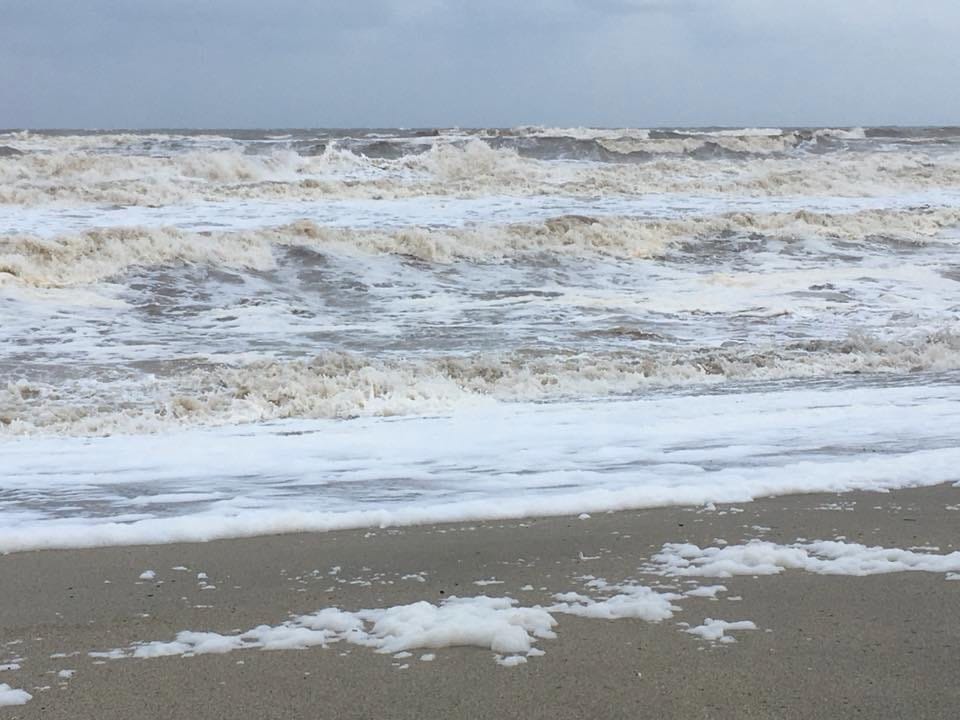
Meaning ’coming from the sea’, this wind is a warm and damp marine wind blowing inland from the Mediterranean (south-east) and often brings with it low cloud and mist, and a humid atmosphere. It can generate strong waves that make navigation difficult.
Le Sirocco
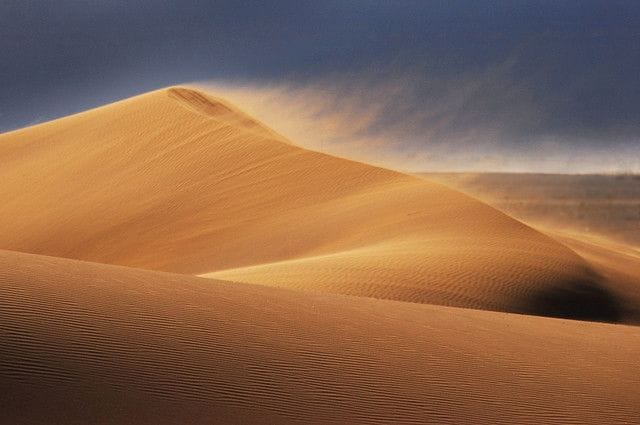
This wind originates in the Arabian or Sahara deserts, bringing with it hot dry air from Africa, often causing storms in the Mediterranean Sea, and cool wet weather in Europe. This wind is quite rare in the region but can last several days. When it blows, it leaves cars, terraces and even laundry covered in a layer of fine red sand – a souvenir from the Sahara desert !
Other winds
While the Tramontane, Marin and Sirocco are the most talked about, locals in the Pyrénées-Orientales will also recognise a handful of lesser-known winds—subtler perhaps, but just as telling once you’ve learned to spot them.
Le Grec (or Grégal)
A north-easterly wind, colder and drier than the Marin, often bringing clearer skies but with a sharp, biting edge—especially in winter.
Le Levant
An easterly wind coming straight off the Mediterranean. Humid and often grey, it doesn’t rage like the Tramontane—it simply lingers, wrapping the landscape in a soft, muted atmosphere.
Le Ponant
A westerly wind, typically drier and calmer. Its arrival often signals a change for the better, as if the weather is quietly turning a page.
You may also hear people refer to the foehn effect as air crosses the Pyrenees—warming and drying as it descends, sometimes bringing clear skies alongside an oddly restless energy.
I have been in the area for four months and experienced a one day, and today it is predicted to be another 24-35 hour period. I do not enjoy wind but this us a small price to pay for escaping cold damp weather in other places.
A wind called the föhn also occurs in Switzerland. It’s said that there are more collisions on the road when it’s blowing. I’ve also heard föhn used as a colloquial term for a hair dryer when I asked for one in a hotel there.
Welcome to the region Serena. You should be seeing a lot less wind and a lot more sunshine soon 🙂
Great tips thank you! We’ve just arrived in the region from Brittany and this is the kind of question we have been asking ourselves..