Gorges de Galamus and Ermitage Saint-Antoine: A Spectacular Day Trip
There are several ways to make your way to the spectacular Gorges de Galamus, and whichever route you choose, this is a wonderful day out through some of the most dramatic scenery of the Corbières and Fenouillèdes.
OPTION 1 — Via Duilhac and Peyrepertuse
Begin with a visit to the magnificent Chateau de Peyrepertuse, perched high above Duilhac-sous-Peyrepertuse.
From Duilhac, continue towards the Gorges de Galamus, passing through the small villages and increasingly wild countryside. This is a lovely drive, with the landscape becoming more dramatic as you approach the gorge.
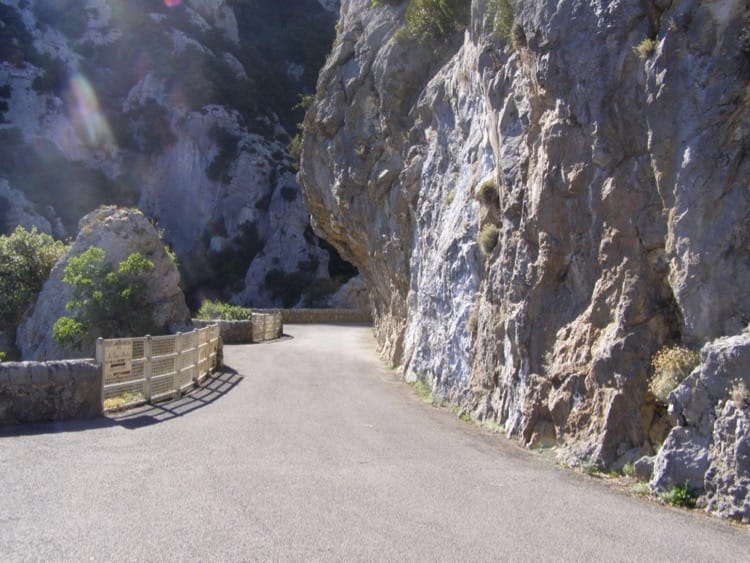
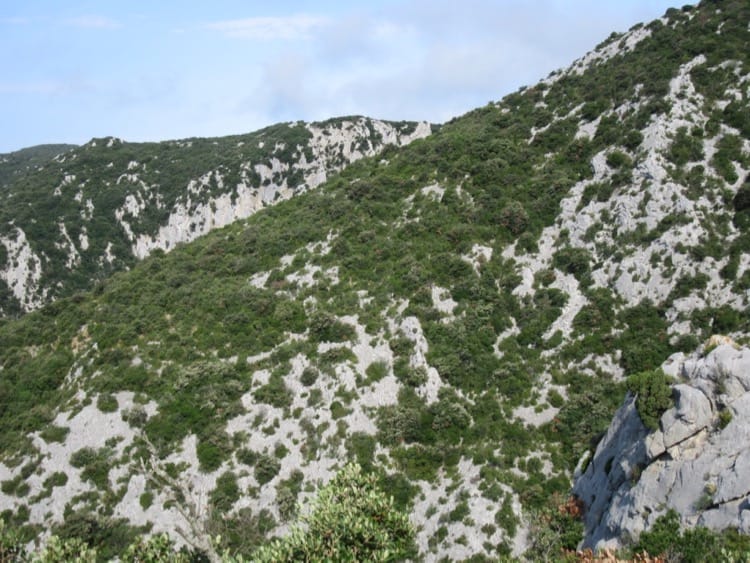
The Gorges de Galamus are one of the region’s great natural spectacles. The Agly river has carved a spectacular passage through the limestone, with sheer rock walls rising dramatically above the road and river. The gorge extends for around 5 km and reaches depths of more than 500 metres in places. (
Take your time. The road itself is part of the experience, winding through an extraordinary landscape of cliffs, caves and vegetation clinging to the rock.
OPTION 2 — Via Estagel and Saint-Paul-de-Fenouillet
Alternatively, head towards Saint-Paul-de-Fenouillet and follow the signs for the Gorges de Galamus and Cubières-sur-Cinoble along the D7.
Parking areas are provided before the entrance to the gorge, making it possible to leave the car and explore on foot.
And this is where the really magical part of the visit begins.
Ermitage Saint-Antoine de Galamus
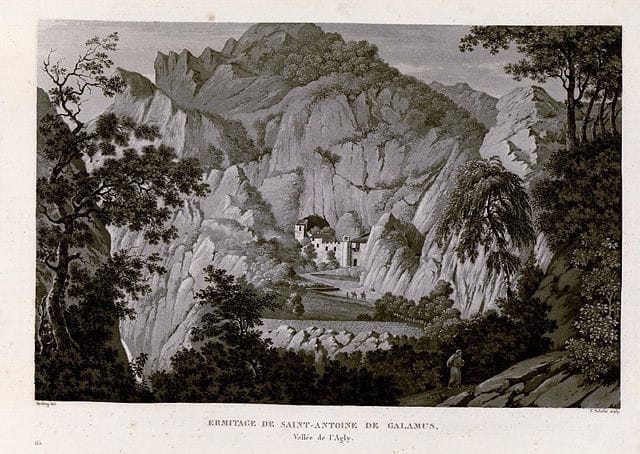
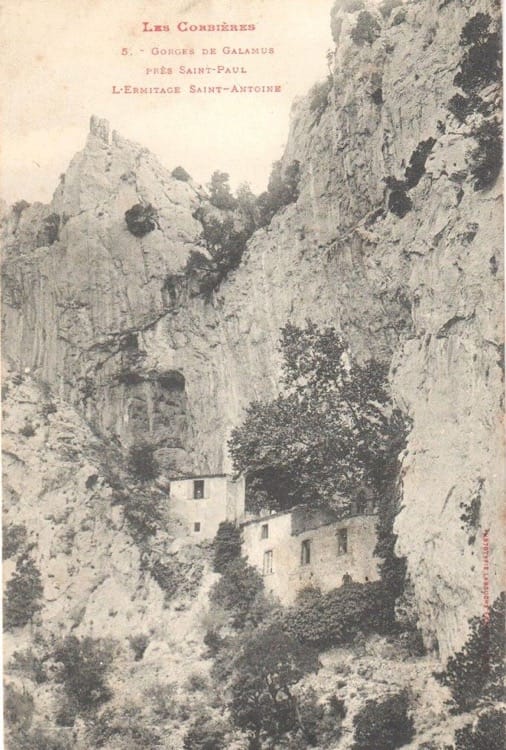
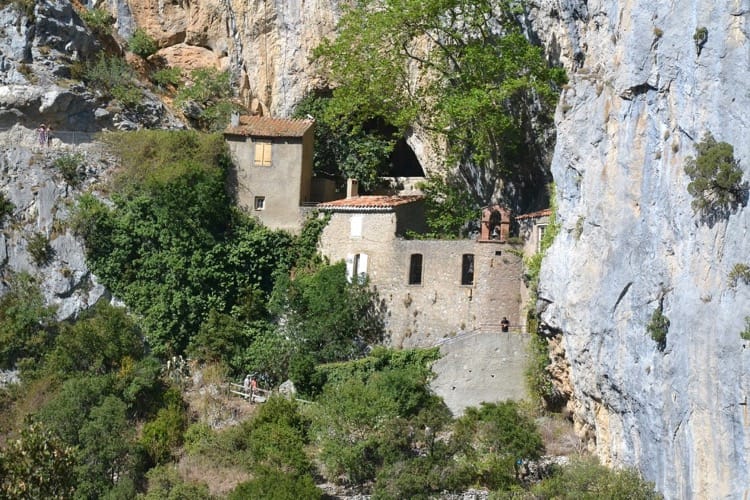
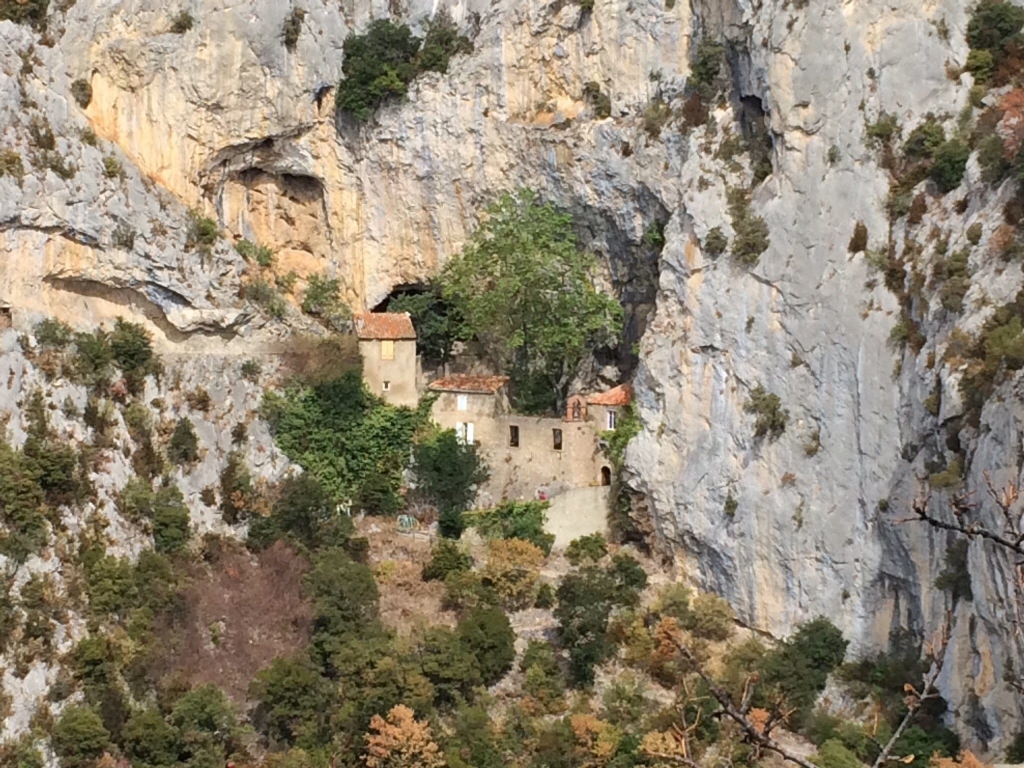
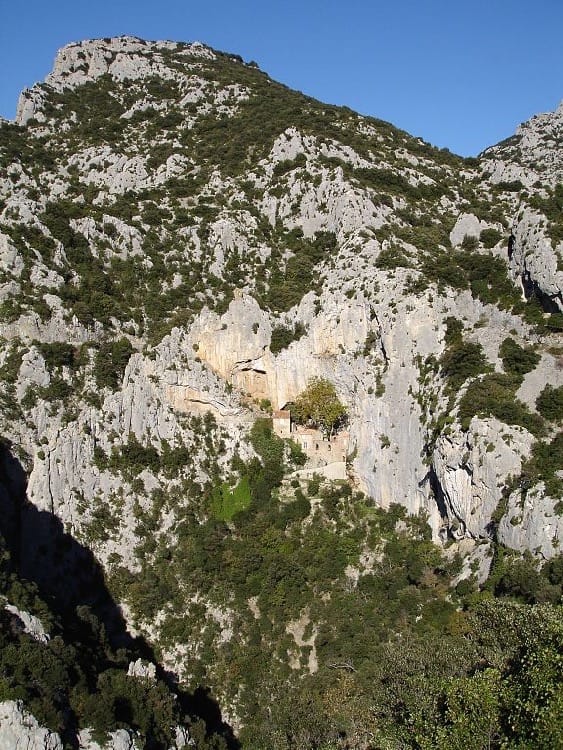
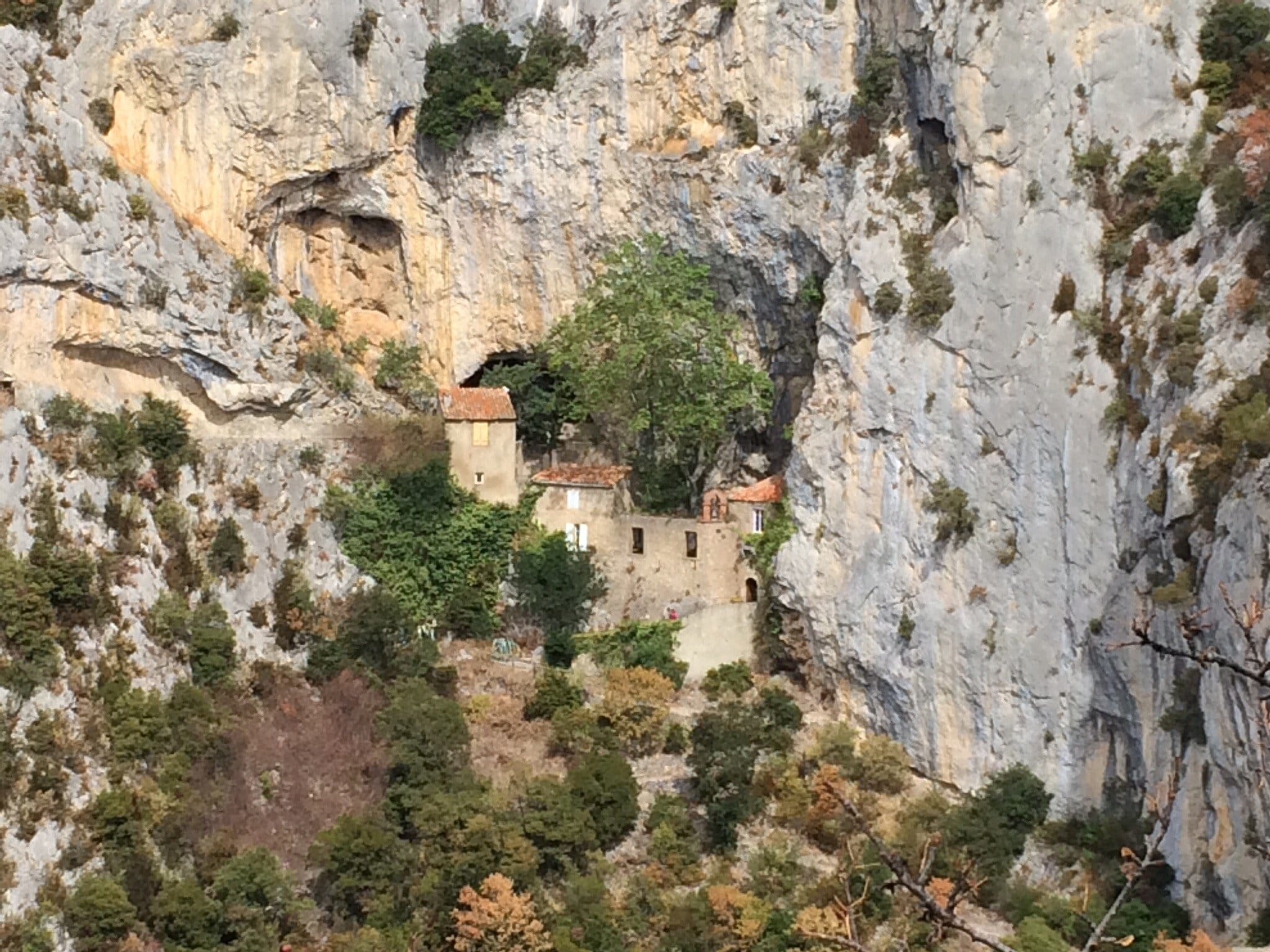
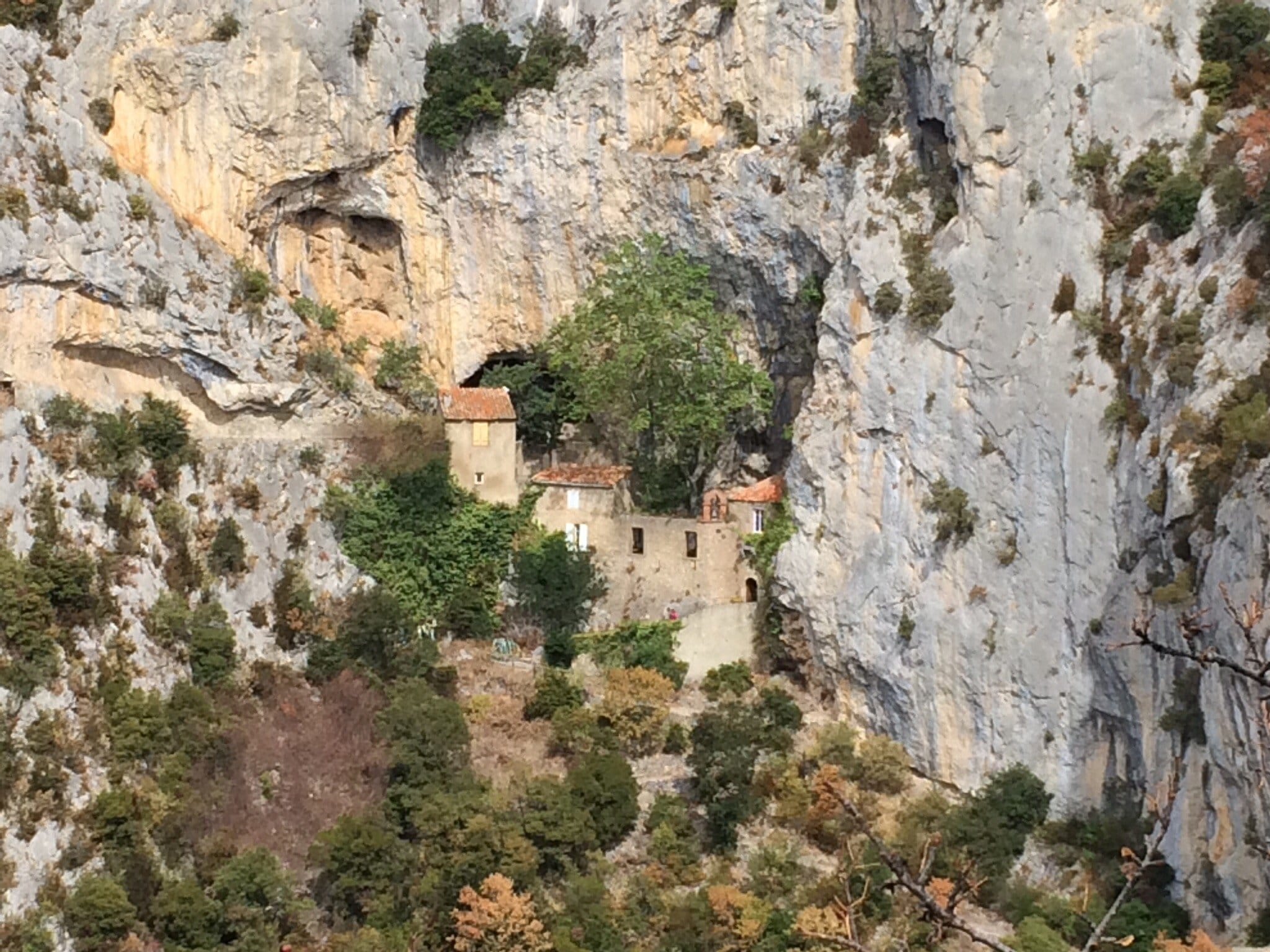
Hidden in the cliffs above the Agly, the Ermitage Saint-Antoine de Galamus is one of those places that seems almost impossible until you actually see it.

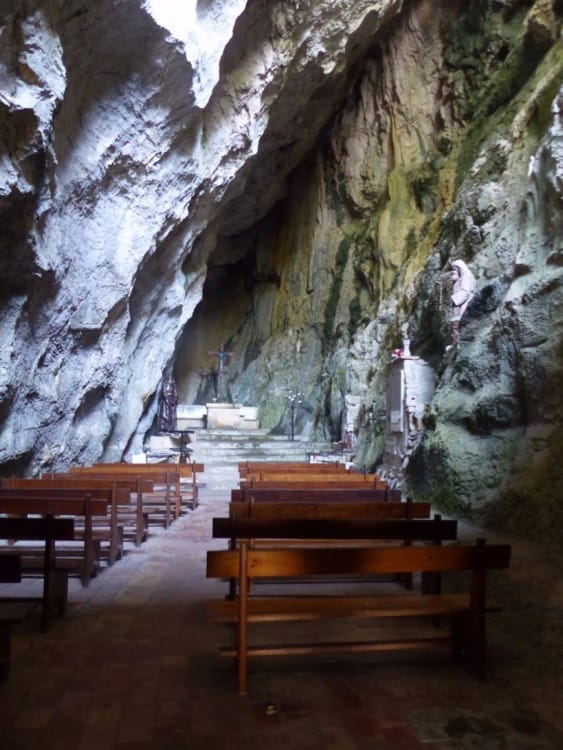
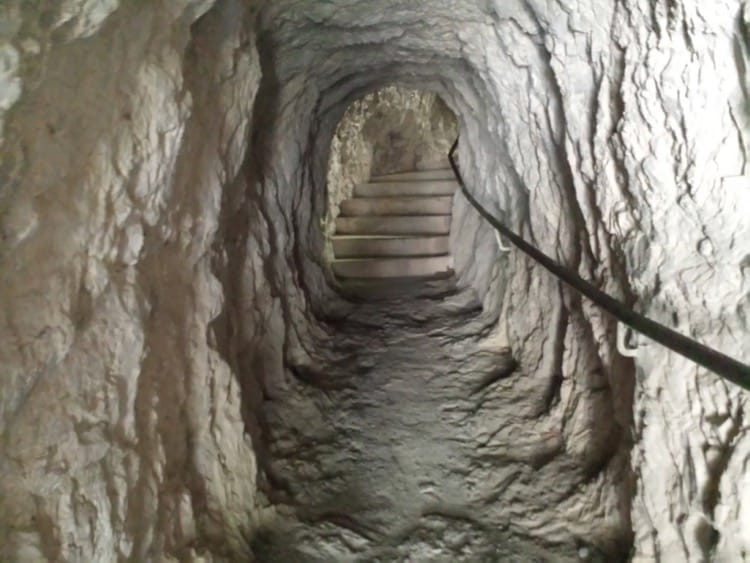
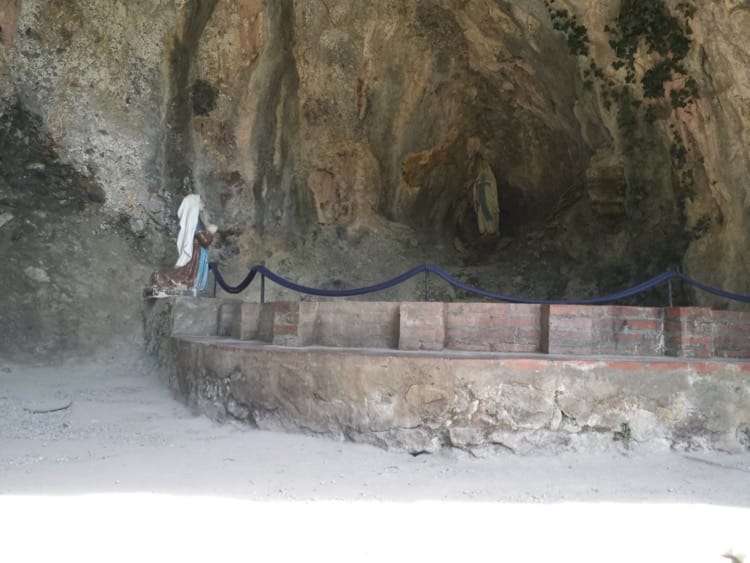
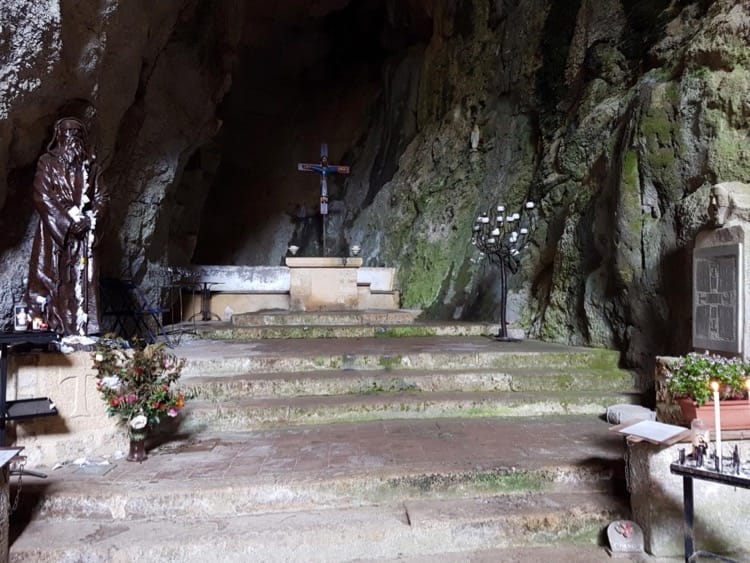
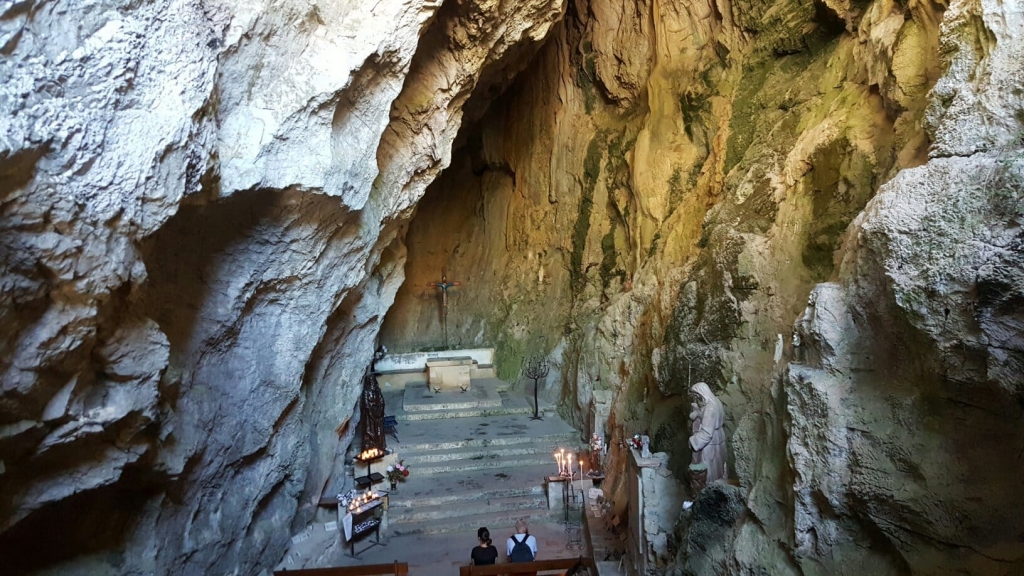
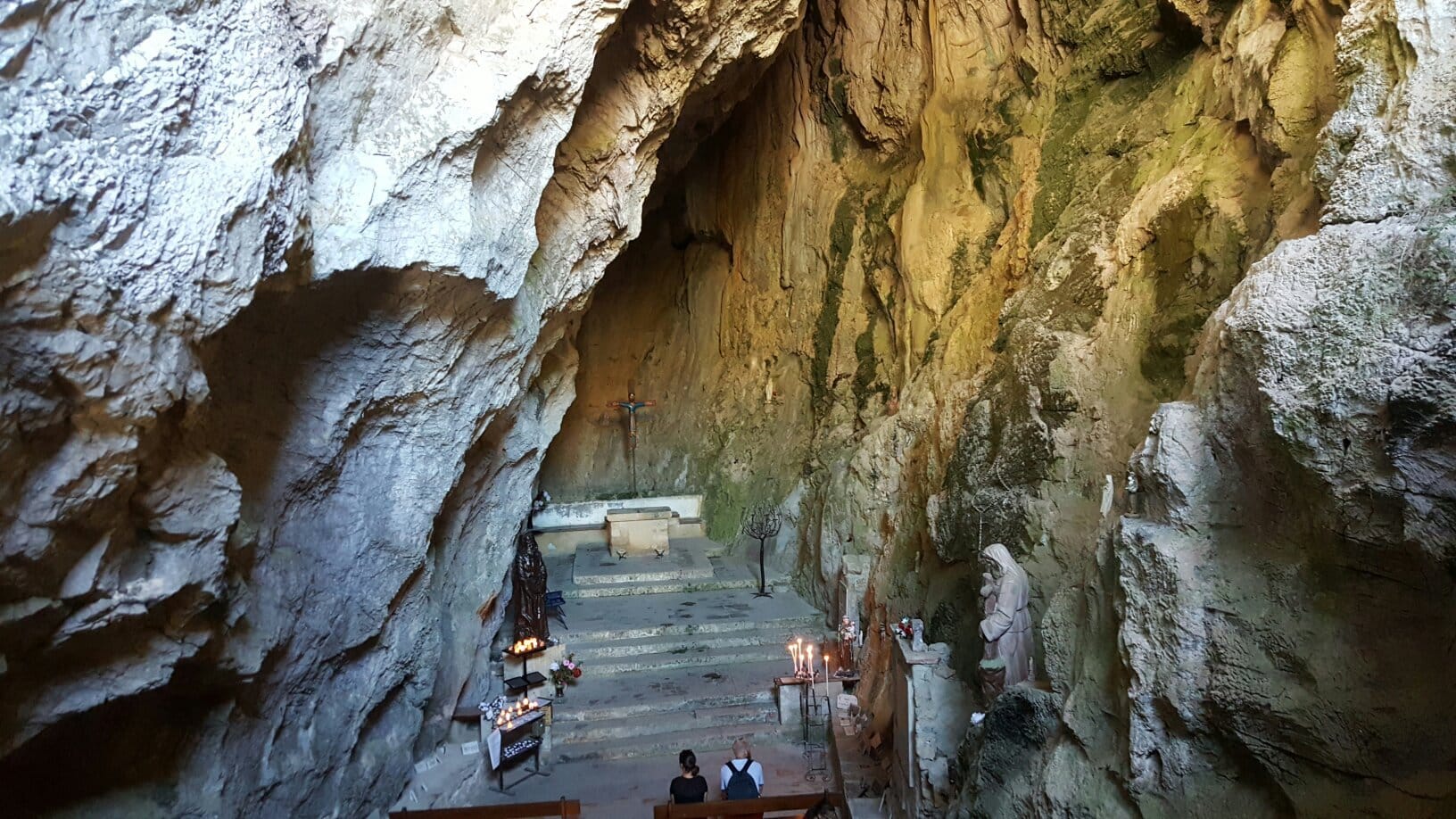
The hermitage is built into a natural cave in the cliff, with its little chapel tucked dramatically into the rock face. The setting is extraordinary: grey limestone walls rise almost vertically around you while the Agly winds far below.
The caves of Galamus have attracted hermits for centuries. Current regional tourism information traces the tradition back as far as the 7th century, with the site subsequently developing around the cave chapel dedicated to Saint Anthony the Great.
The written history becomes clearer in later centuries, and the hermitage was particularly associated with the Franciscans. Following the French Revolution, the site was abandoned for a time before the tradition of the hermitage was revived in the 19th century.
One of the best-known figures associated with Galamus was Marie-Joseph Chiron, known as Père Marie, who arrived in 1843 and lived there for several years. His story has become an important part of the history and folklore of the hermitage.
The hermit’s life was certainly not an easy one. The caves and buildings were exposed to the harsh mountain climate, and the hermits lived in remarkable isolation.
The hermitage remained a place of spiritual retreat for many years. According to the current regional tourism information, the last hermit left around 1930.
Today you can visit the hermitage and its cave chapel and experience the extraordinary atmosphere of this little sanctuary suspended within the gorge.
It is a place to linger rather than simply tick off a sightseeing list.
The legend of Galamus
A legend from further back in time tells of two troubadours, Gadamus and Giles, Montardel, who, in 1090, were making their way from castle to castle.
Stopping at Puilaurens, Gadamus fell in love with the beautiful Sylvaine. Unfortunately, as they left, they were accosted by a band of brigands in the Forest of Fanges and Giles was killed before Gadamus could frighten them off.
As he died he made Gadamus promise to carry his soul to Jerusalem. This Gadamus did.
He sojourned awhile in the Egyptian desert monastery of Saint Antoine and, a year later returned to Puilaurens only to find that Sylvaine had died of the plague.
Heartbroken, he spent the rest of his days in the cliff caves named after the Egyptian hermit Saint.

Exploring the gorge
The scenery here is spectacular, but this is also a place where sensible footwear and care are needed. The cliffs are steep and the terrain can be uneven.
The Gorges de Galamus are popular with walkers and outdoor enthusiasts, and the river and rock formations have long attracted canyoning and other adventure activities.
The road through the gorge is particularly dramatic. It was painstakingly carved into the mountainside and seems to cling impossibly to the rock as it threads its way through the narrow passage.
Look upwards and you may spot birds soaring along the cliffs; the gorges are home to protected rock-dwelling flora and fauna, including vultures.
It is tempting to scramble down towards the river and rock pools, but conditions can be hazardous, particularly after rain or when water levels are high. Stick to established routes and observe local safety signs.
And if you still have the energy… Château de Puilaurens
If you have made the journey this far, you could continue towards Puilaurens and visit its spectacular medieval fortress.
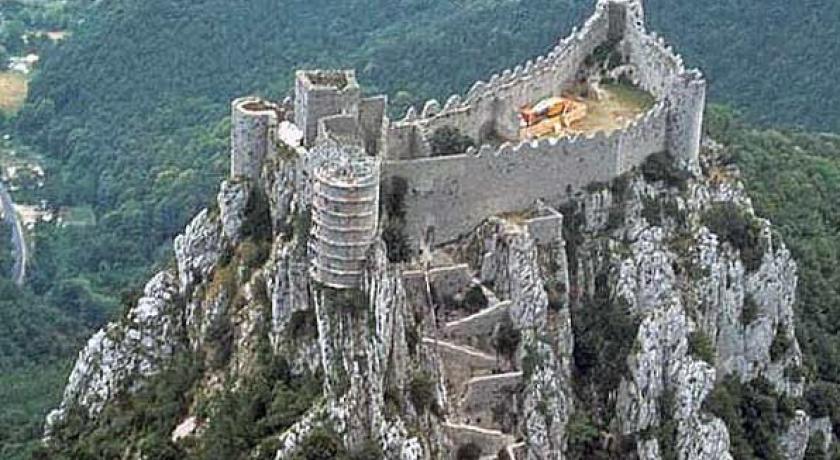
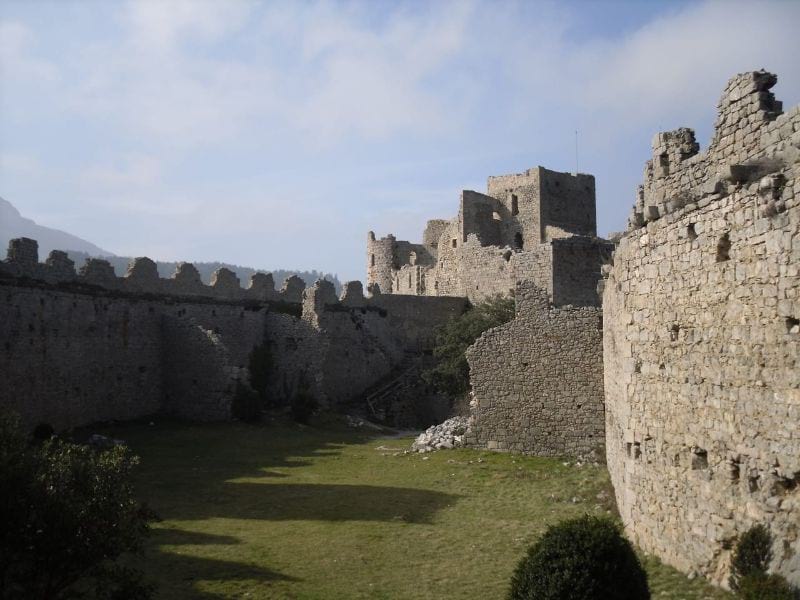
The Château de Puilaurens stands high above the village at around 697 metres, surrounded by forest. Although the site has much older origins, the present fortress is essentially a royal 13th-century construction.
Cathars are known to have found refuge at Puilaurens in the 13th century, but the castle’s principal role was as a royal fortress guarding the southern frontier of the Kingdom of France against Aragon. That role continued until the Treaty of the Pyrenees in 1659, when the border moved south.
Today the castle forms part of the UNESCO World Heritage site Fortresses of the Languedoc, a serial listing of the region’s great royal fortresses.
There is a free car park at the castle entrance and, from the ticket office, a 15–20 minute uphill walk on a steep and sometimes uneven path to reach the fortress itself. Good walking shoes are recommended.
The reward is well worth the climb.
From the battlements there are wonderful views across the Boulzane valley, the surrounding forests and the mountains. You can also look down towards the village and the famous railway viaduct.
A memorable day in the Corbières
Peyrepertuse, Duilhac, Galamus and Puilaurens make a superb circuit for anyone interested in the extraordinary combination of Cathar history, medieval castles, mountain scenery and the quieter spiritual places of the region.
The Gorges de Galamus, in particular, are unforgettable — a place where the road, river and cliffs seem to have been squeezed into a space barely big enough to contain them.
Allow plenty of time, take your camera, wear sensible shoes and, above all, don’t rush.
Some places are best experienced slowly.