
Hello Dolly…
Have you visited the Musée Bella in Perpignan yet?
Before global toy giants dominated the shelves, a factory in Perpignan was quietly producing millions of dolls each year — dolls that would become part of childhood memories across Europe.
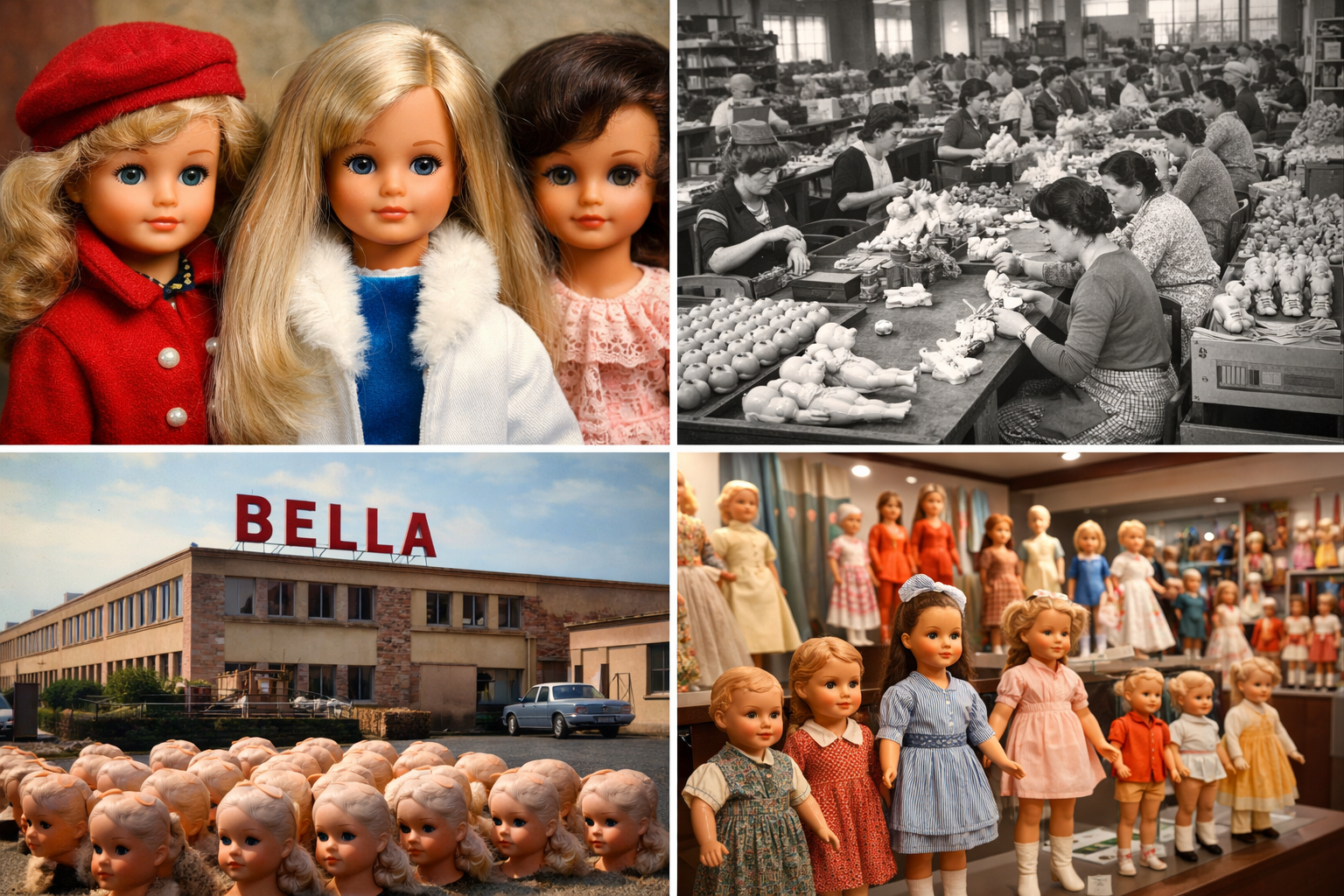 Today, their story lives on at the Musée Bella — a discreet but fascinating museum dedicated to one of France’s most remarkable industrial success stories.
From a Small Apartment to a European Leader
In 1946, Lucie and Salvi Pi began making dolls in their Perpignan apartment. Their first creation, Bella, was an instant success. As demand surged, production quickly outgrew their home, leading to the creation of a full-scale factory in the Haut-Vernet district.
Within a few decades, Bella had become one of Europe’s largest doll manufacturers — and a major employer in the region.
Cathie and the Golden Age of Bella Dolls
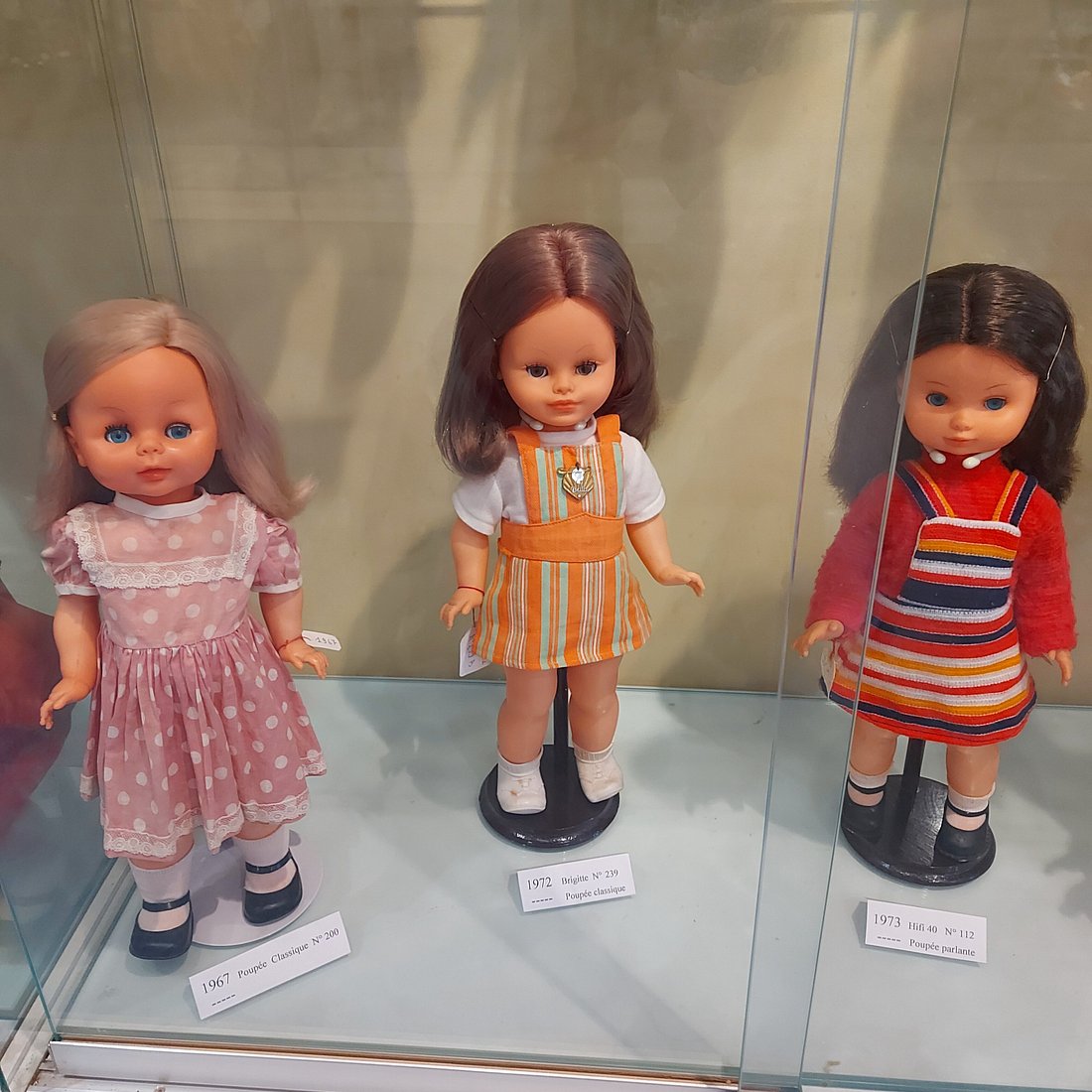
The launch of Cathie in 1967 marked a turning point. By 1969, the doll featured a “growing hair” mechanism — a must-have innovation at the time, rivaling international trends. (Remember Sindy, Tressy?)
At its peak:
- Around 600 workers were employed in the factory
- An additional 150–250 home-based seamstresses made clothing
- Up to 1,000 people worked directly or indirectly for Bella
Production soared to 8,000–10,000 dolls per day, with annual output reaching over 2 million dolls in the 1970s.
Much of the work remained artisanal. Dressing, hairstyling, and finishing touches were done entirely by hand — a level of craftsmanship difficult to replicate today.
A French Industrial Success Story
At its height, Bella represented an estimated 35% of global doll exports, making it a flagship of French manufacturing in the post-war era.
Materials evolved alongside technology:
- 1946–1952: papier-mâché
- From 1953: celluloid
- Later years: durable PVC
This constant innovation helped Bella remain competitive — for a time.
Closure and Legacy
Despite its success, the Bella factory closed in 1984, reflecting broader changes in global manufacturing and competition from mass-produced imports.
Yet the brand’s legacy endures.
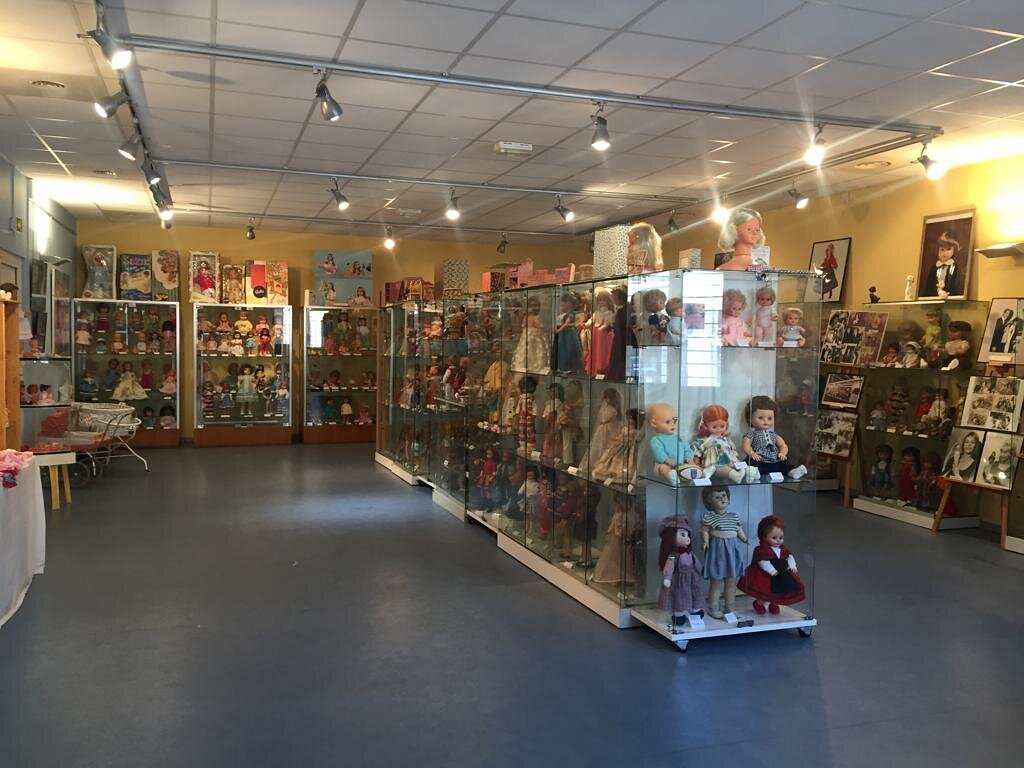
At the Musée Bella, visitors can discover around 500 different models, from the earliest handcrafted dolls to the iconic figures of the 1970s.
Visit the Musée Bella
6 avenue du Languedoc
Perpignan
Opening hours: Wednesday to Saturday
Tel: +33 (0)4 68 34 50 66
Thank you for this interesting story.
Although I was never a ‘dolly girl’ – I only ever had one and didn’t often play with it, this was most interesting.
I eventually qualified as an engineer and was MD of a mid-sized light engineering company, so it was the manufacturing aspect of your tale that really interested me.