
Betty Pack: All’s Fair in Love and War
High in the Aspres, the medieval village of Castelnou is dominated by a formidable stone castle with a history stretching back more than a thousand years.
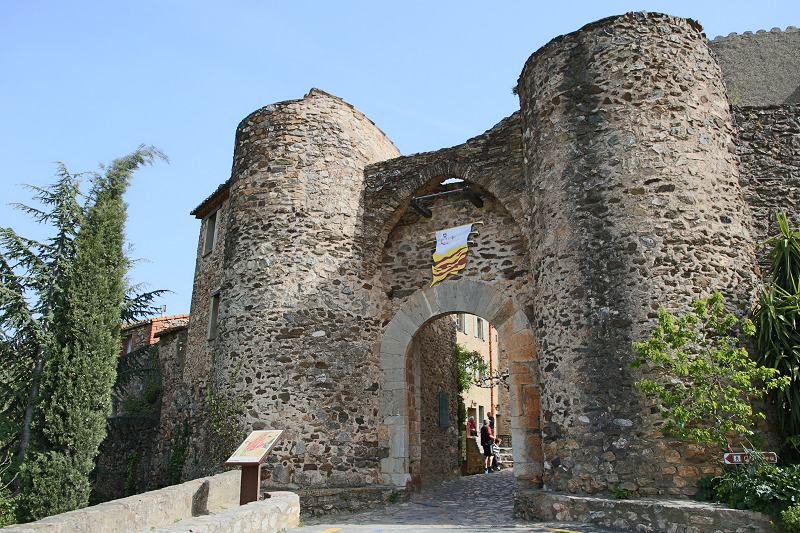
The Château de Castelnou has survived sieges, political struggles, changing owners and centuries of neglect. But one of the most intriguing chapters in its long history belongs to a glamorous American woman who arrived there after helping to fight a very different kind of war.
Betty Pack was born Amy Elizabeth Thorpe in Minneapolis in 1910, she became Betty Pack after her first marriage. During the Second World War she worked for British intelligence and later America’s Office of Strategic Services, or OSS, using charm, intelligence and an extraordinary ability to gain access to people who possessed valuable secrets.
She was eventually dubbed the “Blonde Bond” — although her real-life exploits were arguably stranger than anything Ian Fleming could have invented.
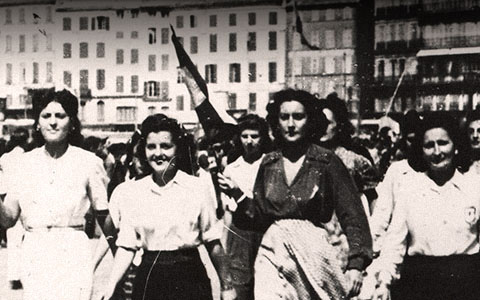
From American debutante to secret agent
Betty Pack grew up in a privileged American family and spent much of her early adult life moving in diplomatic and social circles. She married Arthur Pack, a British diplomat, which brought her even closer to the world of embassies and international politics.
Those connections would later prove invaluable.
During the 1930s and 1940s, Pack became involved in British intelligence operations. Her work eventually brought her to Washington, where she became associated with the British Security Coordination, the organisation established by British intelligence to coordinate clandestine activities in the United States.
This ‘femme fatale’ with ‘radiant smile and emerald-green eyes’ used beauty and brains to seduce diplomats and officials across the globe in exchange for their bedroom secrets, including vital information about Vichy collaborators, naval codes for the Vichy flotilla, and even Germany’s famous Enigma code machines.
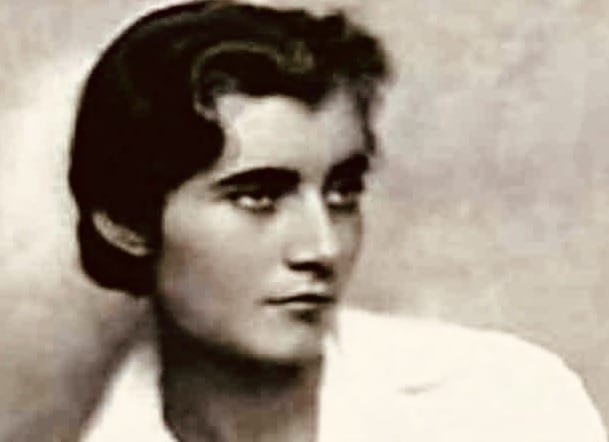
Described as having a ‘shaky moral compass’, she seduced her way into many a collaborator’s bed during the Occupation of France.
She was attractive, socially confident and highly intelligent, but reducing her to a glamorous “femme fatale” does her something of a disservice. Seduction was certainly one of the tools she used, but so were observation, improvisation, courage and an understanding of how diplomatic circles worked.
In the secret war being fought alongside the conventional one, gaining access to the right person could be as valuable as possessing a weapon.
The Vichy embassy operation
One of Pack’s most remarkable wartime operations involved the Vichy French diplomatic mission in Washington.
After France fell in 1940, the Vichy government remained formally in control of part of the country and maintained diplomatic relations with the United States for a time. Allied intelligence was particularly interested in Vichy’s naval codes and other information that could help the Allies understand French military activity.
Pack was well placed to help. One of the people in her circle was Charles Brousse, a press attaché at the Vichy French embassy. Their relationship eventually became much more than a professional one: they would later marry.
Together, they attempted to gain access to sensitive material held inside the embassy.
According to accounts of the operation, getting to the safe containing the code material was not straightforward. On one attempt, they were unexpectedly interrupted by a night watchman.
Rather than admit what they were doing, Pack and Brousse behaved as though the guard had interrupted an intimate encounter. Embarrassed by what he thought he had discovered, the guard withdrew. The deception bought them the time they needed.
The operation was eventually successful, and the intelligence obtained from Vichy sources proved valuable to the Allies.
More than a femme fatale
Pack’s wartime work went far beyond a succession of romantic liaisons.
Her intelligence activities were connected with information about Vichy France, Italian cipher systems and German communications. She also became associated with efforts to obtain information concerning the German Enigma system.
The full story is difficult to reconstruct because intelligence work is, by its nature, secretive. Records were classified, destroyed, withheld or only released many years later.
Pack cultivated an image of confidence and glamour, but she was operating in an exceptionally dangerous environment. A mistake could have meant imprisonment, exposure or death.
After the war, Pack reportedly defended her seductive methods by pointing out that the intelligence she obtained had helped save Allied lives.
Her attitude towards conventional morality was famously unapologetic. In wartime, she argued, respectable methods were not necessarily the methods that won wars.
Charles Brousse and a new life in France
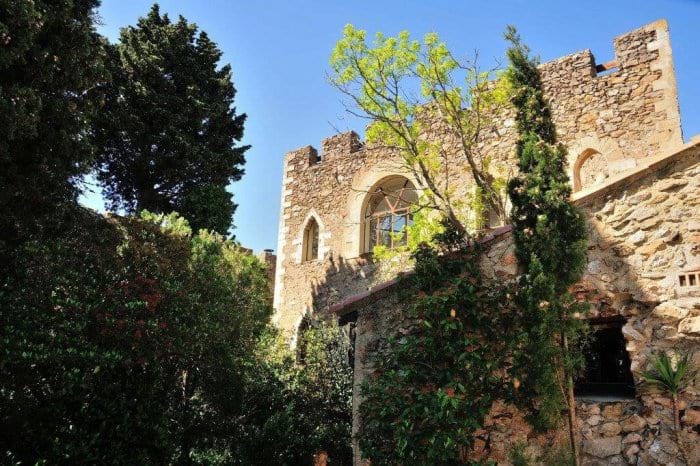
Charles Brousse became an important figure in Pack’s life. The two eventually married, and after the war they returned to France where they made their home at the Château de Castelnou.
A castle built for turbulent times
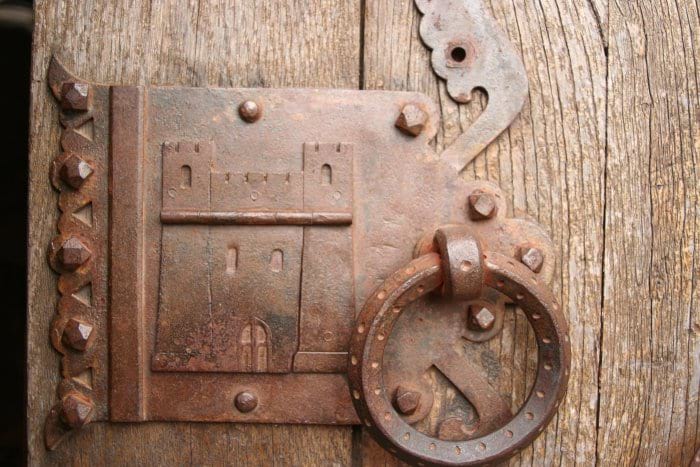
The Château de Castelnou dates from the late 10th or early 11th century and was the stronghold of the powerful Viscounts of Castelnou.
Its position was strategic. Perched above the village, the castle commanded the surrounding landscape and formed part of the defensive network of medieval Roussillon so it was not simply a grand country residence, having experienced sieges and military conflict over the centuries, including attacks during the turbulent struggles between the kingdoms and powers of medieval Catalonia and France.
In the 16th century it suffered serious damage from artillery. Its importance declined, and over subsequent centuries the once-powerful fortress fell into increasingly poor condition. By the time Betty Pack arrived, its role was very different from that of the medieval stronghold.
The Blonde Bond
Pack’s extraordinary life eventually attracted the attention of writer Howard Blum, whose book The Last Goodnight reconstructed her career using personal diaries, intelligence material and other sources. Blum described the book as both a psychological detective story and a suspenseful non-fiction spy thriller.
The nickname “Blonde Bond” has inevitably followed Pack ever since.
There is an obvious temptation to turn her into a glamorous wartime seductress, but the reality is more interesting. She was operating in a world of diplomatic parties, hotel rooms and private relationships and she understood that people often revealed more in private. And she knew how to make herself seem harmless – and sexy.
A quiet end to an extraordinary life
Betty Pack died in 1963, aged just 53, and was buried at Castelnou.
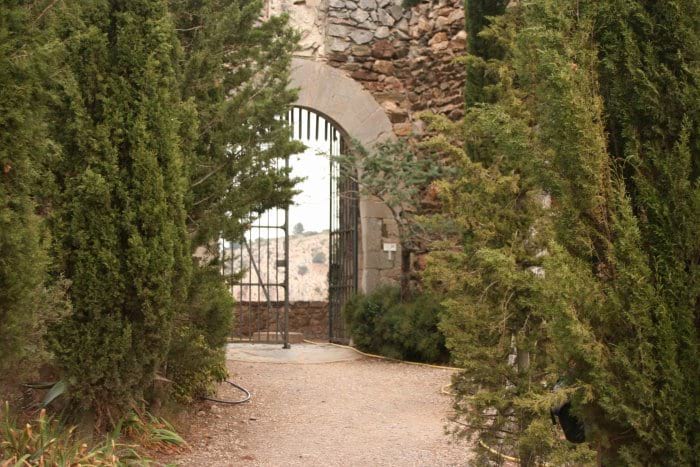
Her final years could hardly have been more different from the life that had preceded them. Even her burial place is said to be discreet, with Pack laid to rest alongside her dogs in the grounds of the château.
For a woman who spent so much of her life dealing in secrets, it seems strangely fitting that her final resting place should be easy to overlook.
Fire, abandonment and a new beginning
The château’s later history was less romantic.
After Pack’s death, the castle passed through different hands and eventually suffered a devastating fire. Years of neglect followed, and maintaining such a vast medieval building proved extremely difficult.
The château was sold and resold before eventually being acquired by the Département des Pyrénées-Orientales in 2018, beginning a new chapter in its long history.
The restoration of Castelnou became part of the wider effort to preserve one of the region’s most remarkable historic monuments. The castle was subsequently selected for France’s Mission Patrimoine, helping to raise awareness and funds for its restoration.
Today, the château is once again part of the life of the village rather than a forgotten ruin.
Thank you for this insight on a little known piece of local history.
“The Last Goodnight” was one of the best books I’ve read in years. The story of Betty Peck is absolutely unbelievable, except it’s true. If she were a man, there would have been a block-buster movie about her life made years ago. Amazing. Simply amazing. Not sure we would have won the war without her obtaining the Enigma, and the way she did is truly unbelievable. Thank you, Betty!