
January 2026
Today we head inland to the cooler air of the Conflent region – a land of contrasts, rich in culture, history and landscape. From snowy peaks and wild mountain terrain to tranquil villages, abbeys and lakes, the Conflent offers space, silence and authenticity, even at the height of summer.
PRADES

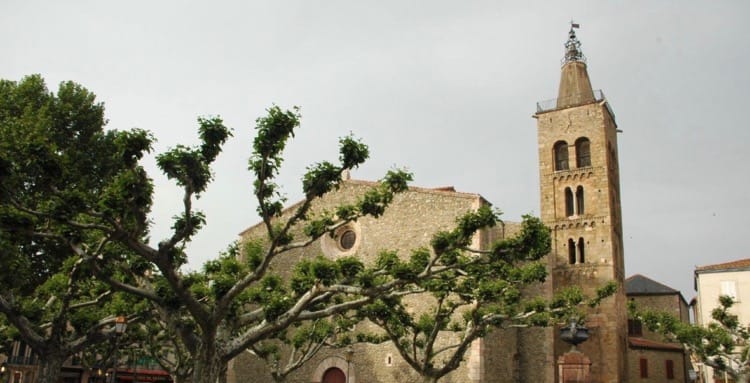
Sitting between Mediterranean and mountain, Prades is the informal capital of the Conflent. This lively market town clusters around the impressive church of Saint‑Pierre, whose dramatic Sunyer altarpieces glow with gold leaf, twisting columns, trumpeting angels and cherubs surrounding a commanding statue of Saint Peter.

On Tuesday mornings, one of the busiest weekly markets in the Pyrénées‑Orientales spills out around the church and neighbouring squares, filling the town with colour and local life.
MORE
Prades’ position at the foot of Mount Canigou makes it an ideal base for exploring the region. Gentle walks and serious hikes, mountain biking, climbing, canyoning, horse riding and caving are all close at hand.
Each summer, the Romanesque churches and abbeys of the Conflent – including Abbey Saint-Michel de Cuxa, Marcevol, Serrabone and Saint‑Martin‑du‑Canigou – become the setting for one of Europe’s most respected chamber music events: the Pablo Casals Festival.
Founded in 1950, the festival began in Prades where the world‑famous cellist Pablo Casals had taken refuge after the Spanish Civil War. A staunch supporter of the Spanish Republic, Casals refused to return to Spain until democracy was restored. From his base in Prades, he taught, performed and inspired generations of musicians. He continued to take part in the festival until the age of 90.
An associated academy, established in 1976, still welcomes young musicians for masterclasses, with concerts held in Prades and surrounding villages. Performances often take place in intimate Romanesque churches, where music, architecture and setting combine to unforgettable effec
THE ABBEYS AND PRIORIES…..
ST MICHEL DE CUXA ….

The 10th Century Abbey of St Michel de Cuxa is well signposted from Prades. With an imposing interior – majestic in its very simplicity – and Canigou towering in the background, the setting is stunning and inspirational. Beneath the church lies an extensive crypt – almost a subterranean church in its own right – supported by a massive central pillar and housing early devotional statues of great charm.
MORE
ABBAYE SAINT MARTIN DU CANIGOU, CASTEIL
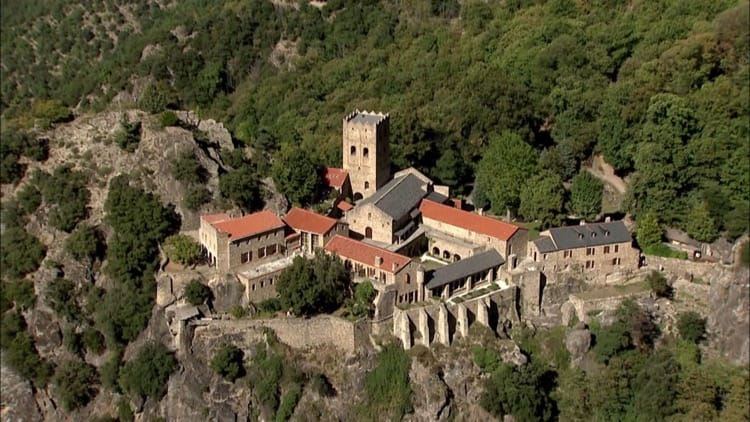
Perched high on the slopes of Canigou, the Benedictine Abbey of Saint‑Martin‑du‑Canigou has watched over the valley for more than a thousand years. Reached by a steep but rewarding 45‑minute walk from Casteil – or by seasonal 4×4 taxi – the abbey remains a place of active religious life. Visitors are asked to respect the silence and enjoy the setting in a spirit of calm and contemplation.
MORE
PRIEURÉ DE SERRABONNE, BOULE D’AMONT

Views from this small 12th Century priory and its fascinating history are stunning, and well worth the torturous panoramic mountain drive. This 12th‑century priory commands superb views and is celebrated for its remarkably preserved cloister gallery, carved in local pink marble with intricate plant and animal motifs. An enclosed indoor cloister, peaceful gardens and the occasional concert make this a particularly atmospheric stop. A small admission charge applies.
MORE
MARCEVOL
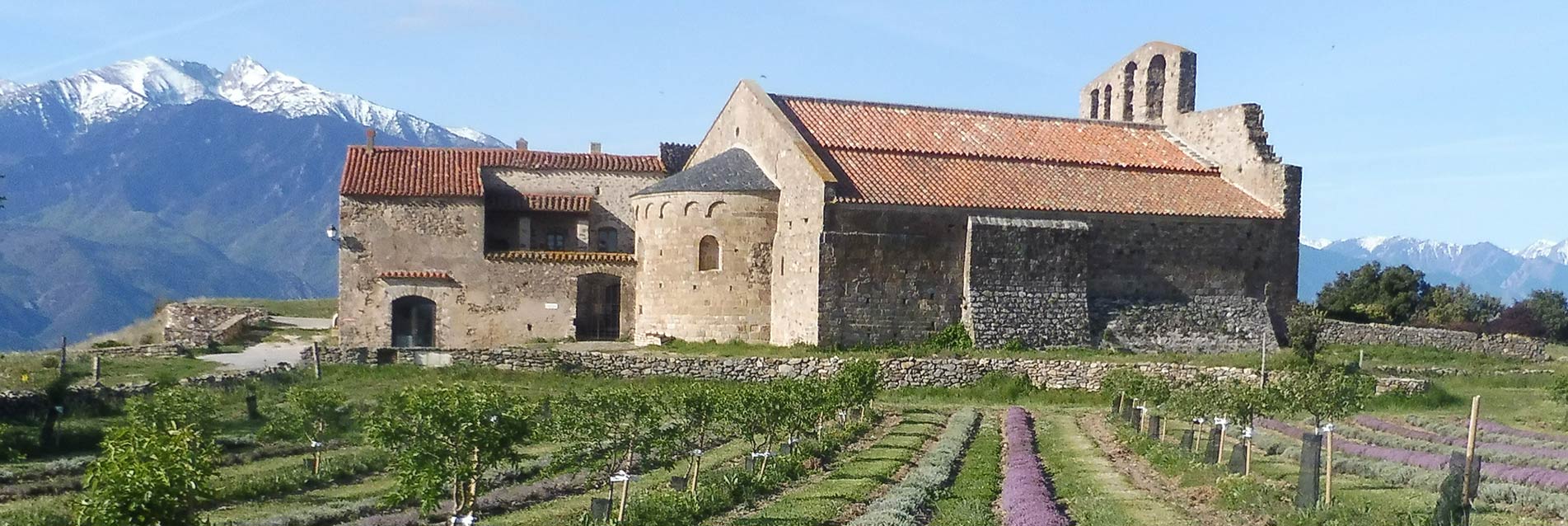
A stunning drive through rolling vineyards brings you to Marcevol and its ancient XII century priory. Carefully restored in the late 20th century, it was once a stopping point on the pilgrimage route to St Jacques de Compostelle and is known for its excellent acoustics.
Nearby Arboussols is a good place to stock up on local produce, while an old paved footpath links the area to the hilltop village of Eus.
THE VILLAGES…a random presentation
MOSSET
This pretty medieval village originally grew up around the 12th century castle of Mosset, and is classed as one of the ‘Plus Beaux Villages de France’.
The Church of Saint‑Julien‑et‑Sainte‑Basilisse is notable for its bell tower, which still houses one of the few working mechanical clocks in the département. A pine tree sprouting most improbably from the clock tower dates from the French Revolution and is said to symbolise the strength and tenacity of Mosset’s inhabitants.
 Visit the charming ‘Tour des Parfums’, originally a small, round museum dedicated to scents and fragrances, a fragrant and and interactive ‘smell and tell’ discovery of past days and life in the mountains. Today, its role has evolved into more of a local cultural/visitor space and artisan boutique, selling regional foodstuffs, cosmetics, soaps and souvenirs — rather than a formal museum with a structured exhibition.
MORE
EUS
Find out more HERE about this once-fortified pedestrian-only village. Built in terraces on a granite hill, Eus is another member of Les Plus Beaux Villages de France.
Narrow, be-flowered, cobbled streets are joined by ancient vaulted passageways. The imposing 18th Century church of St Vincent, perched on a rocky peak, has old ramparts to walk around with panoramic views of the Conflent Valley. Eus also has the reputation of being the sunniest village in France!
VINCA
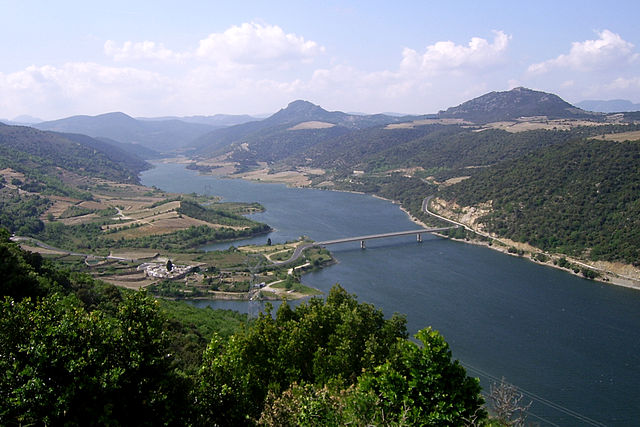
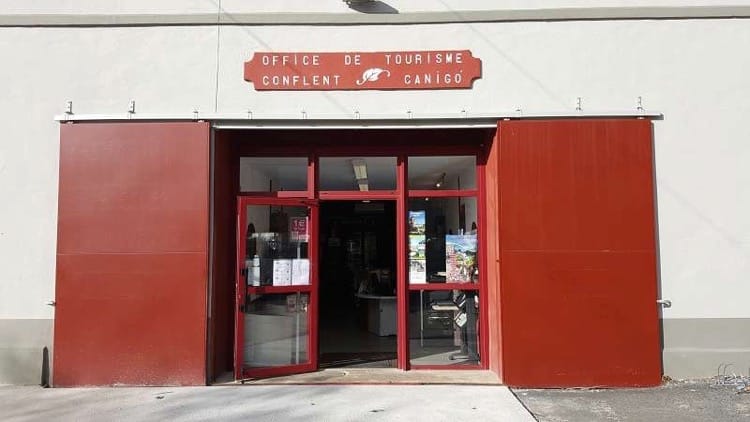
Vinça is a small, friendly village worth a short detour. Opposite the reservoir, a modern tourist office occupies the former wine cellar, offering local information and tastings. Nearby, a leisure lake provides seasonal swimming, pedal boats and family‑friendly activities, along with shaded areas for picnics and relaxation.
MORE
ESCARO
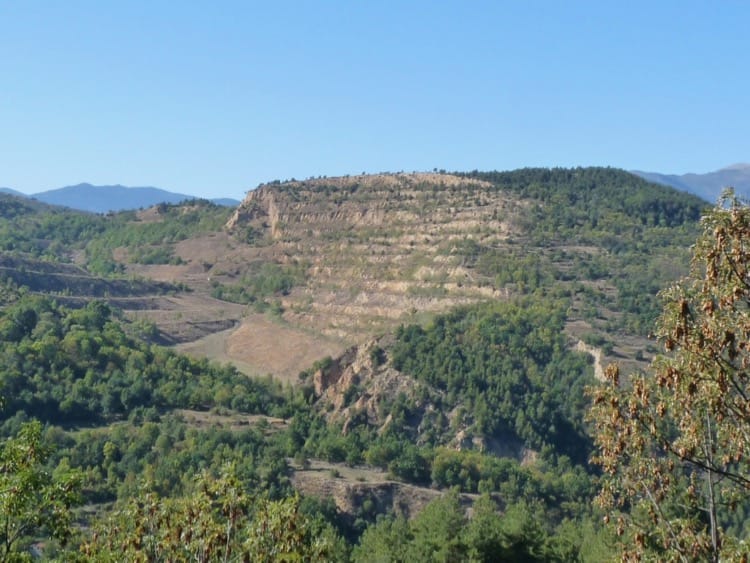
Escaro has a long mining history, with a fascinating museum, ‘Memoire de la Mine’. It was the first area in France to produce fluorspar, dubbed ‘the most colourful mineral in the world’ (also mined at the Blue John Cavern in Derbyshire). The mine finally closed in 1993 when the mineral was exhausted, and its population of 429 dwindled to just 85.
When underground tunnels put the village at risk of collapse, the old St Martin’s Church was rebuilt further south, and a new village grew up around the church.
Today it is a small and pleasant village, with great views and walking opportunities – well worth a visit.
MORE
VILLEFRANCHE DE CONFLENT
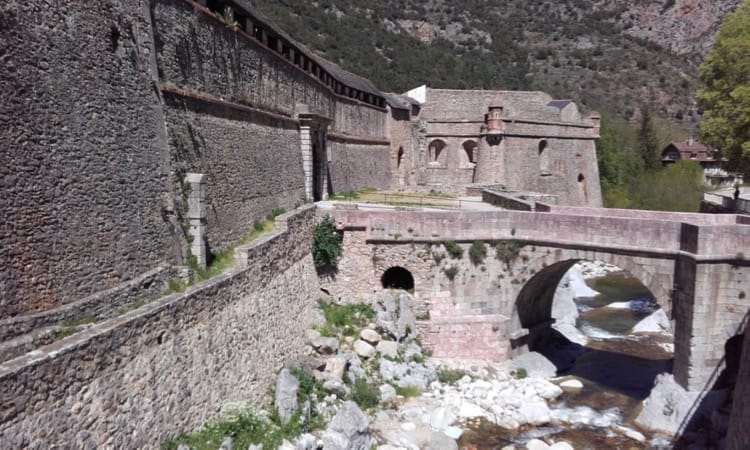
Another one of the “Plus Beaux Villages de France”, perfectly preserved and fortified, Villefranche‑de‑Conflent is a UNESCO‑listed town that feels frozen in time. Inside the fortified walls, the village retains its medieval charm with narrow cobbled streets, old stone houses, artisan shops, and cafés. Walk the ramparts, explore the cobbled streets, or climb the 1,279 steps of the underground passageway leading to Fort Liberia high above the town. Visit the Prison de Dames, where infamous lady poisoners were chained to the wall of their cell. Wax models of them sit there still.
And just across the road, summer is the perfect time to cool it at the ‘Les Grottes des Canalettes’, exciting network of spectacular caves. Follow a qualified guide along specially adapted bridges and walkways, deep into the heart of the Massif du Canigou mountain range, often ending with a sound and light display, showcasing the very best of the underground cathedral, highlighting the colours of the minerals, to the accompaniment of Strauss, Bach, Casals and Pavarotti.
Villefranche-de-Conflent is also the departure point for the famous Train Jaune — a scenic narrow-gauge railway that winds up into the Pyrenees to Latour-de-Carol and Mont-Louis. The train runs through dramatic mountain landscapes and even passes through the ancient defensive walls of the village. 
MANTET
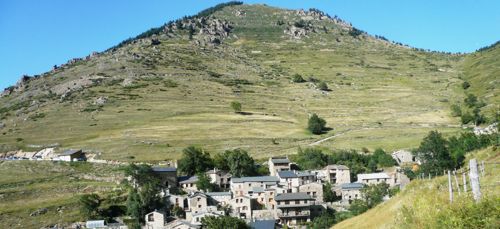
From Villefranche‑de‑Conflent, a winding mountain road climbs through Fuilla, Sahorre and Py towards the Col de Mantet. On your right, stone sheep graze. Below lies the small village of Mantet, once a remote smuggling outpost.
Set within a 3,000‑hectare nature reserve, Mantet is surrounded by streams, wildflowers and high‑mountain scenery.
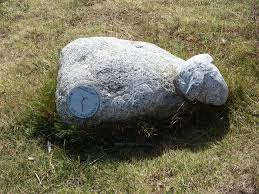 Mantet was the last village in France to get electricity. In fact, the road only reached it in 1964 when the village had been resettled after all its inhabitants had been expelled by the Nazis during the war.
Current residents of this former smuggling hideout make a living from selling cheese and honey, and guiding tourists amidst the stunning scenery of the 3000 hectare Nature Reserve. Mountain streams provide ideal picnic spots, and wild flowers abound.
MORE
VERNET LES BAINS AND CORNEILLA DE CONFLENT.
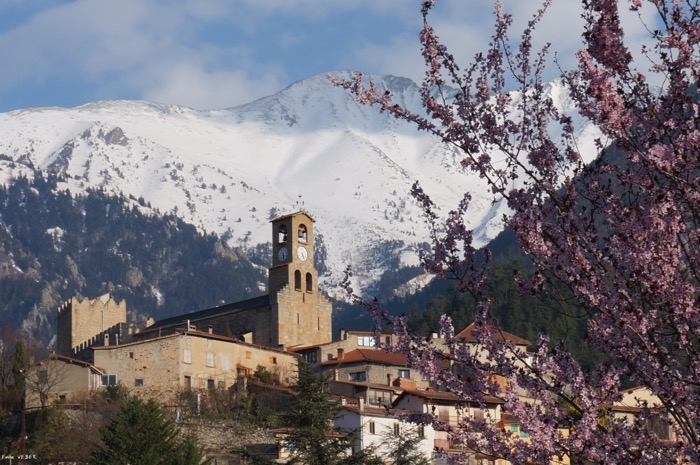
Passing through Corneilla‑de‑Conflent, visitors can still see traces of its medieval past, including a tower that once formed part of a noble residence. The village church contains fine examples of Catalan Romanesque art.
Vernet‑les‑Bains was a fashionable spa resort in the early 20th century and remains a pleasant base for exploring the Canigou area. Its thermal spa specialises in respiratory and rheumatic treatments, while narrow streets, cafés and gardens invite unhurried wandering. The Cady valley and surrounding countryside is spectacular, and Canigou omnipresent.
Visit the ‘arboretum’ with over 2,000 identified and listed trees, the geological museum with its collection of rocks, minerals, fossils and crystals, or stroll around the ‘Kipling circuit’, a short walk with illustrated panels and quotations from Kipling’s own writings.
Locals and visitors still wash their smalls in the natural hot water of the outdoor washroom. Swipe your SmartPhone on the codes on the walls and listen to the washroom come to life.
MORE
CATLLAR
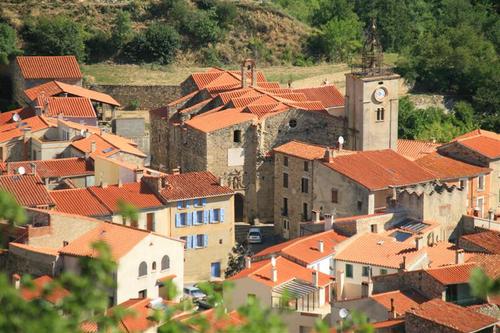
From Prades, if you are driving up to Molitg les Bains or Mosset, you will pass through the small village of Catllar. One blink and it’s gone, but if you have a few minutes, take a right turn into the village square, a good spot for a drink, and check out the church, dating from the 10th century, featuring an unusual wrought‑iron bell structure. A short walk leads down to the river and a peaceful picnic area.
MORE
THE GRAND HOTEL, MOLITG-LES-BAINS
Impossible to miss when driving the D14 from Prades to Mosset, the splendid Grand Hotel dominates the deep gorge cut by swift running water of the Castellane River. On the left, a tall rocky outcrop is topped by a ruined castle and, hidden from immediate view, a small chapel. On the right, the gothic, grey granite Chateau de Riell.
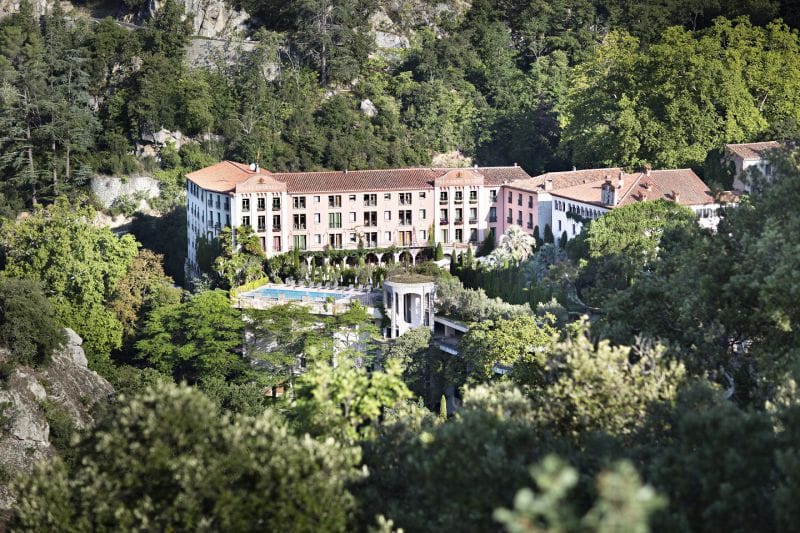
Pablo Casals was a regular guest here, drawn by the tranquillity and setting. Today, visitors can enjoy the hotel’s terrace, gardens, spa facilities and concerts, or simply pause to admire one of the most striking locations in the Conflent.
MORE
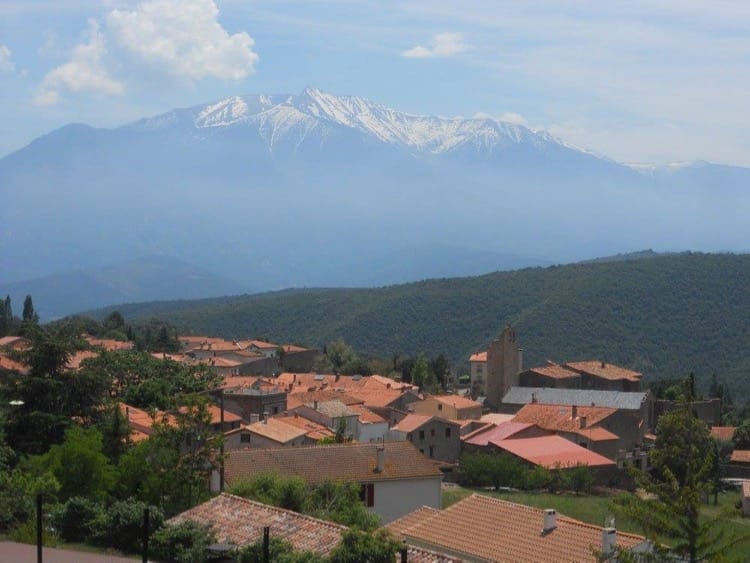
The Conflent is not a region to rush. Best discovered slowly, it rewards curiosity with music, history, mountain air and villages that still feel rooted in their past while quietly living in the present.